
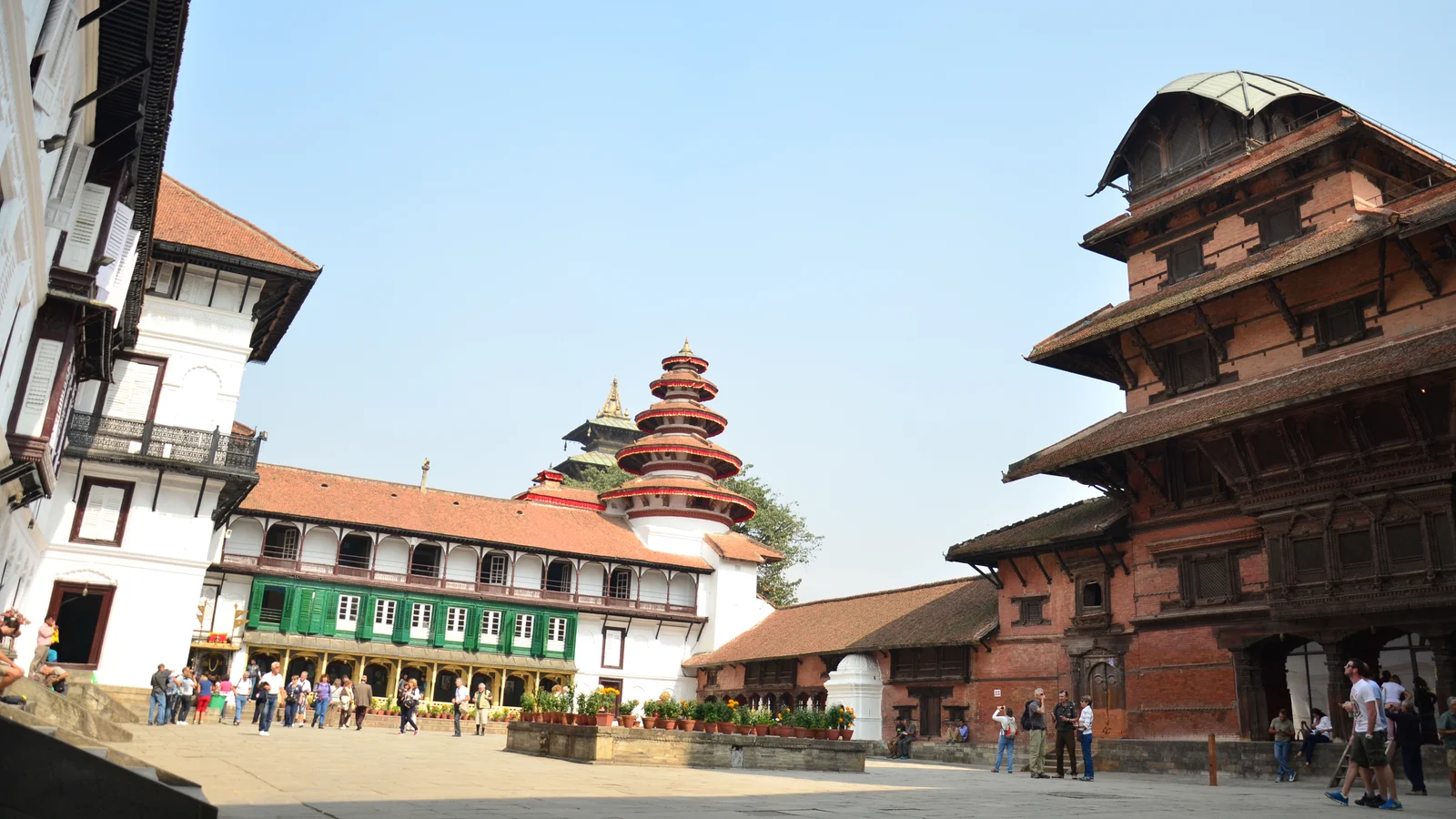
Grand Nepal Discovery is a comprehensive journey through Nepal’s cultural heart, Himalayan foothills, subtropical wildlife region, sacred Buddhist heritage and peaceful lakeside landscapes. The tour begins in Kathmandu with guided visits to UNESCO World Heritage Sites, continues through the medieval cities of Patan and Bhaktapur, and reaches Nagarkot for Himalayan sunset and sunrise views. From the Kathmandu Valley, the route descends to Chitwan for jungle activities and wildlife exploration before continuing west to Lumbini, the birthplace of Lord Buddha. The journey then moves through the scenic hills to Pokhara, where lakes, waterfalls, caves, temples and mountain viewpoints create a relaxed conclusion before returning to Kathmandu. The itinerary is designed for travellers who want to understand Nepal beyond a short city visit. It combines historical interpretation, religious traditions, local communities, wildlife conservation, changing landscapes and comfortable private transportation. The pace includes sightseeing, road journeys, rest periods, photography opportunities and flexible free time. It is suitable for couples, families, senior travellers, private groups and first-time visitors who prefer a complete Nepal experience without demanding trekking. Road conditions and travel times in Nepal can vary because of traffic, weather, construction and seasonal activity. The programme therefore uses practical timing rather than rigid minute-by-minute scheduling. Sightseeing order may be adjusted by the guide to improve access, avoid congestion or respond to local conditions while preserving the main experiences listed in the itinerary.
Duration
11N/12D
Group Size
2–16 travellers
Best Time
February, March, April, May, September, October, November
Difficulty
Easy

Start planning
Contact for current pricing
Or send trip details
All day details are shown by default for easier reading.
Route overview
Day 1 of 12
Arrive at Tribhuvan International Airport, where a Zeo Tourism representative meets you after immigration, baggage collection and customs procedures. Receive assistance with luggage and continue by private vehicle to your Kathmandu hotel. Depending on traffic, the airport transfer normally takes between 30 and 60 minutes, although peak-hour congestion may increase the journey time. After hotel check-in, the remainder of the day is intentionally relaxed. Rest after your international flight, adjust to the local time zone and become familiar with the hotel neighbourhood. When arrival time permits, take a short independent walk around the nearby streets, exchange currency at an authorised counter or enjoy tea at the hotel. Later, meet the trip coordinator for a detailed briefing. Review the full route, hotel plan, expected driving times, meal arrangements, sightseeing programme and communication procedures. Confirm dietary requirements, room preferences, mobility limitations, medication needs and any optional activities being considered. The coordinator also explains practical matters such as safe drinking water, local currency, respectful behaviour at religious sites, clothing expectations, tipping customs and the effect of road conditions on daily timing. Keep your passport, travel documents, medication, electronic devices and valuables in hand luggage rather than checked baggage. The first day contains no demanding sightseeing so that travellers can begin the journey comfortably.
Day 2 of 12
After breakfast, meet your guide and begin a full-day exploration of Kathmandu’s major UNESCO World Heritage Sites. Start at Swayambhunath, often called the Monkey Temple, which stands on a wooded hill above the city. Walk through the shrine complex to see Buddhist stupas, Hindu temples, prayer wheels, monasteries and panoramic views across the Kathmandu Valley. Your guide explains the site’s importance to both Buddhist and Hindu communities and the symbolism of the stupa’s painted eyes. Continue to Kathmandu Durbar Square, the historic royal and civic centre of the old city. Explore palace courtyards, pagoda-style temples, carved windows, public squares and neighbourhoods shaped by centuries of Newar craftsmanship. Learn about the Malla kings, the living Kumari tradition, earthquake restoration and the way religious rituals continue within a busy urban setting. After a lunch break, proceed to Pashupatinath on the banks of the Bagmati River. The main temple is reserved for Hindu worshippers, but other visitors can observe the wider complex from permitted areas. Your guide respectfully explains the cremation ghats, ascetic traditions, temple architecture and the spiritual importance of the river. Finish at Boudhanath, one of the largest Buddhist stupas in the world. Walk clockwise with pilgrims, observe prayer wheels and visit the surrounding monastery area. The late afternoon atmosphere is especially active as devotees gather for prayer and butter lamps are lit. The day includes repeated vehicle transfers and moderate walking over stone paving, steps and crowded lanes. The order of visits may change to manage traffic and opening conditions.
Day 3 of 12
Begin the morning at Patan Durbar Square, one of the finest centres of Newar art and architecture in the Kathmandu Valley. Walk through palace courtyards, temple squares and narrow neighbourhood lanes while your guide explains the city’s Buddhist and Hindu traditions. Visit the stone Krishna Mandir, observe metal and wood craftsmanship and explore selected museum galleries when they are open. Continue east to Bhaktapur, a preserved medieval city known for brick-paved squares, tall pagoda temples and traditional residential courtyards. Explore Bhaktapur Durbar Square, Taumadhi Square, Nyatapola Temple and the pottery neighbourhood. Learn how local festivals, community trusts, craftspeople and restoration projects continue to shape the city. There is time for lunch and the opportunity to try local foods such as juju dhau, a rich Bhaktapur-style yoghurt. In the afternoon, leave the urban valley and drive uphill toward Nagarkot. As the road rises, settlements become smaller and the landscape opens into forest, terraces and distant ridgelines. Check in at the Nagarkot hotel and enjoy time to rest. Near sunset, walk to the hotel viewpoint or another nearby observation area. When weather is clear, the Himalayan skyline may extend from the central ranges toward Everest-region peaks in the far distance. Mountain visibility depends on cloud, haze, season and weather and cannot be guaranteed. Even without clear peaks, the changing colours across the valley and surrounding hills create a peaceful conclusion to the day.
Day 4 of 12
Wake before sunrise and walk to the hotel viewpoint or designated observation area. On a clear morning, the first light may reveal Himalayan ridges and snow-covered peaks beyond the Kathmandu Valley. Sunrise timing changes by season, and visibility depends entirely on weather conditions. Return to the hotel for breakfast after the viewing period. Begin the long drive toward Chitwan. Descend from Nagarkot through the Kathmandu Valley and join the main highway following river corridors toward Nepal’s subtropical lowlands. The landscape changes gradually from hill settlements and terraced slopes to warmer plains, roadside markets and agricultural areas. Stop at a clean roadside location for refreshments and lunch. Your driver schedules additional comfort breaks according to the needs of the group. Road travel in Nepal is scenic but can be slow because of traffic, construction, landslides, local activity or changing road surfaces. The vehicle and timing are therefore managed with flexibility. Arrive at the Chitwan lodge in the afternoon or early evening. Check in and attend a briefing with the local naturalist, who explains the following day’s wildlife programme, park regulations, safety procedures and appropriate clothing. Depending on arrival time, take a guided walk around a nearby Tharu village or enjoy sunset near the Rapti River. Dinner is served at the lodge. The evening is kept relaxed so travellers are prepared for the next day’s nature activities.
Day 5 of 12
Begin the day with breakfast and prepare for a full programme of wildlife and nature activities. The exact sequence is arranged by the lodge and park authorities according to weather, river levels, seasonal conditions and authorised entry times. A traditional canoe ride may take place along a calm section of the Rapti or another approved river channel. Observe water birds, riverbank vegetation and, with luck, marsh mugger crocodiles or gharials from a safe distance. Life jackets and instructions are provided according to local operating procedures. Continue with a guided nature walk or birdwatching activity led by trained naturalists. Learn to identify animal tracks, plants, insects and bird species while following park safety rules. Nepal’s lowland forests support one-horned rhinoceros, deer, wild boar, monkeys, crocodiles and many bird species. Tigers and leopards inhabit the park but are rarely seen. Later, join an authorised jeep safari through forest, grassland and wetland habitats. Wildlife sightings are never guaranteed, but the activity provides an excellent introduction to Chitwan’s ecosystem and conservation work. Remain seated when instructed, avoid loud noise and follow all directions from the naturalist and driver. In the evening, attend a Tharu cultural programme or community presentation. The performance introduces local music, dance, agricultural traditions and community identity. Return to the lodge for dinner and a relaxed evening.
Day 6 of 12
After breakfast, leave Chitwan and travel west across Nepal’s Terai plains toward Lumbini. The road passes agricultural communities, market towns, river crossings and sections of forest. This journey provides a different view of Nepal from the mountain and valley landscapes experienced earlier. Stop for refreshments and lunch at a suitable location. Depending on traffic and road conditions, additional breaks can be arranged. As you approach Lumbini, the landscape becomes flatter and the atmosphere increasingly connected with Buddhist pilgrimage. Check in at the hotel and take time to rest after the road journey. Later, receive an orientation to the Lumbini Sacred Area and the following day’s programme. Learn about the historical importance of Siddhartha Gautama’s birth, the archaeological development of the site and the role of the Lumbini Development Zone. When arrival time permits, take a gentle introductory walk around the hotel area or visit the outer section of the monastic zone. The main guided pilgrimage and archaeological visits are reserved for the next morning so that they can be experienced without rushing. Lumbini can be hot during spring and early autumn. Hydration, sun protection and comfortable clothing are important. During cooler winter mornings, a light jacket may still be needed.
Day 7 of 12
After breakfast, begin a guided exploration of Lumbini, recognised as the birthplace of Siddhartha Gautama, who became the Buddha. Enter the Sacred Garden and visit the Maya Devi Temple, built around archaeological remains associated with the nativity site. Observe the marker stone, ancient structural remains and the sacred pond traditionally connected with Queen Maya Devi. See the Ashoka Pillar, erected by Emperor Ashoka during his pilgrimage to Lumbini in the third century BCE. Your guide explains the pillar inscription and its importance in identifying the historical birthplace of Buddha. Walk quietly through the garden and observe pilgrims meditating, chanting and offering prayers. Continue into the wider monastic zone, where Buddhist communities from different countries have built monasteries and temples reflecting their own architectural traditions. Selected visits may include monasteries representing Nepal, Thailand, Myanmar, China, Japan, Korea, Germany, France or other Buddhist communities, depending on opening hours and available time. The area is extensive, so transport within the development zone may be arranged by vehicle, electric shuttle or rickshaw according to the confirmed programme. Time is included for lunch, rest and personal reflection. In the late afternoon, continue toward Pokhara by road. The route passes through towns, river valleys and changing hill scenery. Arrive in Pokhara in the evening, check in and rest after the journey.
Day 8 of 12
After breakfast, begin a full-day exploration of Pokhara’s cultural and natural attractions. Visit Davis Falls, where water from the Phewa Lake system disappears into a deep underground channel, especially dramatic during periods of higher water flow. Continue to Gupteshwar Mahadev Cave, a sacred cave complex located near the waterfall. Conditions inside can be damp and uneven, so travellers should use the handrails and wear secure footwear. Visit the International Mountain Museum to learn about Nepal’s Himalayan geography, mountain communities, mountaineering history, equipment and major expeditions. The museum provides helpful context for the Annapurna, Dhaulagiri and Everest regions even for travellers who are not trekking. Continue to the Bindhyabasini Temple or another selected cultural site depending on local conditions. Observe daily worship and enjoy views across the city when the weather is clear. Later, drive toward the World Peace Pagoda, situated on a ridge above Phewa Lake. Reach the viewpoint by vehicle and a short uphill walk. From the pagoda area, enjoy broad views of the lake, Pokhara Valley and Himalayan range when visibility allows. The atmosphere is peaceful, and visitors are expected to speak quietly around the monument. Return to the Lakeside area in the late afternoon. The evening is free for walking, shopping, café visits or an optional boat ride if weather and timing permit.
Day 9 of 12
Depart before dawn for Sarangkot, a hilltop viewpoint north of Pokhara. The drive climbs through residential areas to the upper viewpoint zone. Walk a short distance to the observation area and wait for sunrise. On clear mornings, the Annapurna range, Machhapuchhre, Dhaulagiri and surrounding peaks appear above the valley as the light changes from blue to gold. Mountain visibility is weather dependent and cannot be guaranteed. Cloud, fog, haze and seasonal conditions may obscure part or all of the range. Even when peaks are hidden, the sunrise atmosphere and views across Pokhara Valley can still be rewarding. Return to the hotel for breakfast and rest. The middle of the day is intentionally flexible. Travellers may explore Lakeside independently, enjoy café time, shop for handicrafts, book a massage or simply relax at the hotel. Later, take a boat ride on Phewa Lake when weather and lake conditions are suitable. The standard experience may include a visit near Tal Barahi Temple, located on a small island. Life jackets should be used according to local instructions. Optional activities such as paragliding, ultralight flights, zip-lining, cycling or additional boating can be arranged at extra cost. All adventure activities depend on weather, operator availability, medical suitability and acceptance of the provider’s safety procedures.
Day 10 of 12
Enjoy a slower day in Pokhara after the major sightseeing programme. This flexible day allows travellers to personalise the journey according to their interests, energy level and weather conditions. You may spend the morning walking along the Lakeside promenade, visiting local shops, relaxing at a café or enjoying hotel facilities. Travellers interested in culture can request an additional village, monastery or local market visit. Those seeking nature may choose a short excursion to Begnas Lake, a nearby hill viewpoint or another accessible destination. Optional adventure activities can also be considered. Paragliding, zip-lining, ultralight flights, cycling and other experiences are subject to weather, age, health conditions, operator requirements and additional payment. Participation should be voluntary, and travellers should review insurance coverage and safety information before confirming. This day also acts as a practical buffer within the overall itinerary. If poor weather affects the previous sunrise or sightseeing programme, selected activities may be rescheduled when possible. Travellers who prefer complete rest can keep the day entirely free. In the evening, meet the guide or coordinator to confirm the next day’s departure time for Kathmandu. Pack luggage, settle personal hotel expenses and keep essential medication, documents and valuables accessible for the road journey.
Day 11 of 12
After breakfast, check out and begin the return journey to Kathmandu. The road follows the Marsyangdi and Trishuli river corridors through hill settlements, agricultural areas and market towns. The changing scenery provides a final view of Nepal’s central hills and river valleys. Stop at a suitable roadside location for refreshments and lunch. Additional comfort breaks are arranged according to the group’s needs. Traffic near Mugling, Naubise and the Kathmandu Valley entrance can be heavy, especially during festivals, weekends, construction periods or peak travel seasons. The drive normally takes between seven and nine hours but can be longer. Travellers who prefer a shorter transfer may request an optional domestic flight from Pokhara to Kathmandu, subject to availability, weather and additional cost. Flight schedules can also be delayed, so the final choice should be discussed before travel. Arrive in Kathmandu and transfer to the hotel. The evening is free for last-minute shopping, rest or a farewell dinner. Your coordinator can suggest suitable restaurants according to dietary preferences and desired atmosphere. Review the international departure arrangements for the following day. Confirm airport transfer time, flight terminal, baggage allowance and the documents required for check-in.
Day 12 of 12
Enjoy breakfast at the hotel according to your flight schedule. Complete check-out and make sure passports, flight documents, valuables, medication and electronic devices are packed securely. A Zeo Tourism representative meets you at the hotel and assists with the private transfer to Tribhuvan International Airport. Departure time is planned according to the international flight schedule, airline guidance and expected Kathmandu traffic. Travellers are generally advised to reach the airport approximately three hours before an international departure. At the airport, receive assistance with unloading luggage and directions to the terminal entrance. Complete airline check-in, security and immigration procedures independently unless special assistance has been arranged. The Grand Nepal Discovery tour concludes after the airport transfer. Travellers continuing to another destination, adding extra nights or joining a different Nepal programme can request additional arrangements in advance.
Current price is available on request. Ask for a written quote before confirming your date.
The important decision details are grouped here so the page stays clear instead of becoming a long checklist.
Confirm required documents before paying for flights or starting travel.
Ask for a written quote before confirming your date.
Check the next practical travel window before planning flights.
Change the parts that matter without reading another long list.
Difficulty
Easy
Highest altitude
Ask for route-specific altitude guidance
Walking expectation
This is an easy sightseeing tour without technical trekking., Travellers should be comfortable entering and leaving vehicles several times each day., Some heritage sites contain uneven stone paving, steps, slopes and crowded pedestrian areas., Walking is generally light to moderate and can be adjusted for senior travellers or guests with limited mobility., The Chitwan programme may involve boarding a canoe, climbing into a safari vehicle and walking on natural trails., Travellers should inform the operator in advance about mobility limitations, dietary needs or medical conditions.
Acclimatization
Extra acclimatization can be discussed