
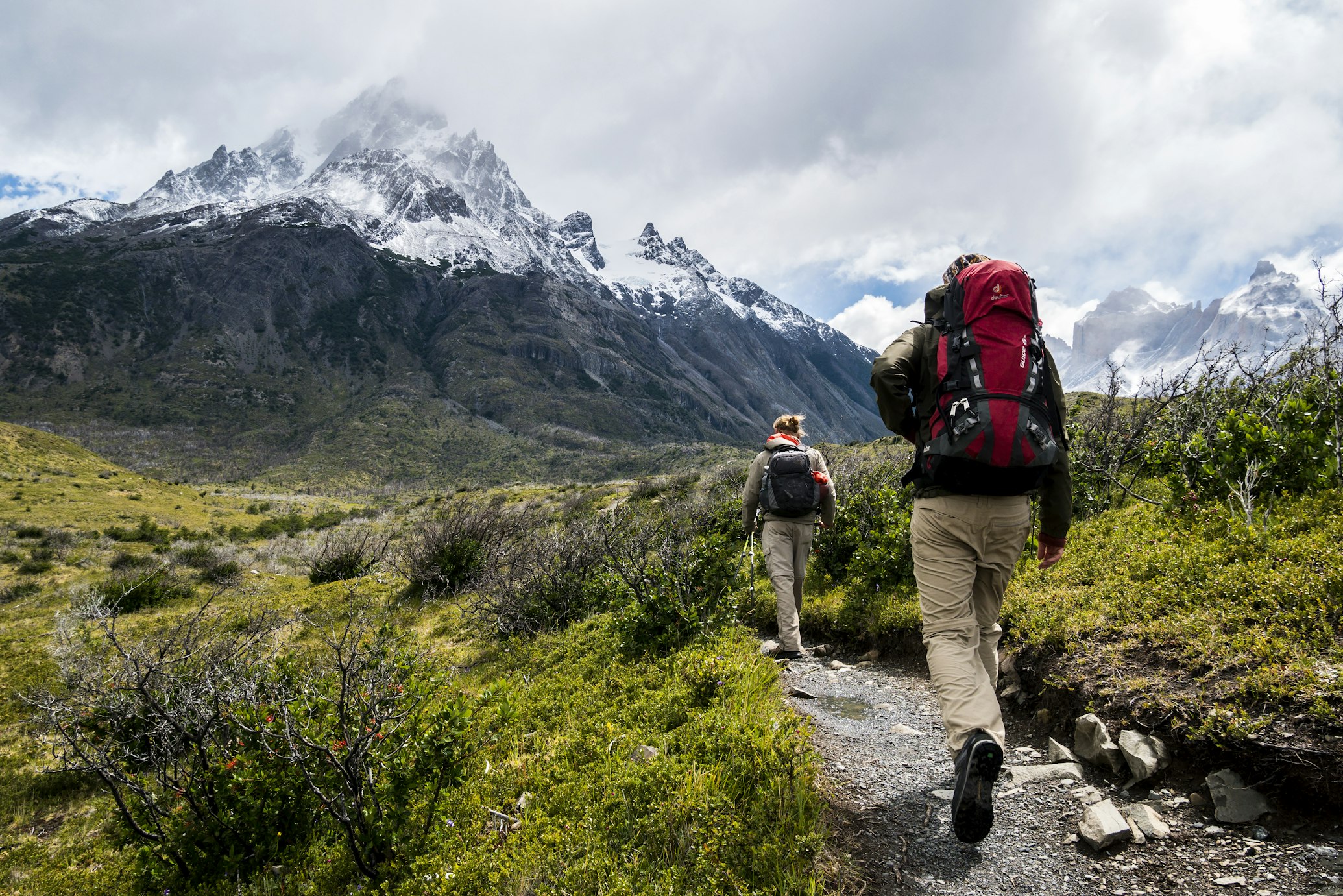
Altitude Sickness: The Ultimate Prevention & Management GuideScaling the Himalayas is a dream for many, but the "thin air" above 3,000 meters is a formidable challenge. At Zeo Tourism, your safety is our baseline. Understanding Altitude Sickness—or Acute Mountain Sickness (AMS)—is the difference between reaching the summit and a forced helicopter evacuation.
Here is our expert manual on how we help you prevent, identify, and manage altitude sickness during your Nepal trek.
1. Understanding the Spectrum of Altitude Illness
Altitude sickness isn't a single condition; it exists on a spectrum. We train our guides to monitor for three specific types:
- AMS (Acute Mountain Sickness): The most common form. It feels like a bad hangover (headache, nausea, fatigue).
- HAPE (High Altitude Pulmonary Edema): Fluid buildup in the lungs. Signs include a persistent cough and extreme breathlessness even while resting.
- HACE (High Altitude Cerebral Edema): Fluid buildup in the brain. This is a medical emergency marked by confusion and a "drunken gait" (ataxia).
2. Our "Golden Rules" for Prevention
We don't leave acclimatization to chance. We build every itinerary around these non-negotiable rules:
The 500m Rule
Once we pass 3,000m (9,842ft), we ensure your sleeping altitude does not increase by more than 300–500 meters per day. Every 1,000m of gain, we schedule a mandatory acclimatization day.
Climb High, Sleep Low
This is our favorite strategy. During "rest days" in Namche Bazaar or Manang, we take you on a short hike to a higher ridge (e.g., Everest View Hotel) before returning to a lower elevation to sleep. This triggers your body to produce more red blood cells while you rest.
Hydration & Nutrition
- The 4-Liter Goal: We encourage drinking 3–4 liters of water daily. Dehydration mimics and worsens AMS.
- Garlic Soup: A local Himalayan secret we swear by! Garlic is believed to help thin the blood and aid oxygen circulation.
- The "No-Go" List: No alcohol, no smoking, and no sleeping pills. These suppress your breathing rate—the last thing you want at 5,000 meters.
3. Management: What Happens if You Get Sick?
At Zeo Tourism, our motto is: "Don't go up until symptoms go down."
- Stop Immediately: If you have a headache and nausea, we halt the ascent. You stay at the current altitude for 24–48 hours.
- Medication (Diamox): Many of our trekkers use Acetazolamide (Diamox) as a preventative. It helps you breathe deeper and faster. Always consult your doctor before your trip.
- The Immediate Descent: If symptoms worsen or signs of HAPE/HACE appear, we begin an immediate descent of at least 500–1,000m.
- Oxygen & Gamow Bags: On high-pass treks, we carry supplemental oxygen and portable hyperbaric chambers (Gamow bags) to stabilize guests before evacuation.
ZEO FAQ: Altitude Sickness in Nepal
Can fitness prevent altitude sickness?
No. Interestingly, being "too fit" can sometimes be a risk factor because athletes tend to hike faster than their bodies can acclimatize. AMS doesn't care about your marathon time—it only cares about your pace of ascent.
What does an altitude headache feel like?
It is usually a throbbing pain, often felt behind the eyes or at the temples, that gets worse when bending over or lying down.
Does travel insurance cover altitude sickness?
Most standard plans do not. We require all our guests to have specific High-Altitude Trekking Insurance that covers helicopter evacuation up to 6,000m.
Trek Safely with Zeo Tourism
We believe the mountains should be enjoyed, not "conquered" at the expense of your health. Our itineraries are designed by experts who live and breathe the Himalayas.