A Journey of Salvation
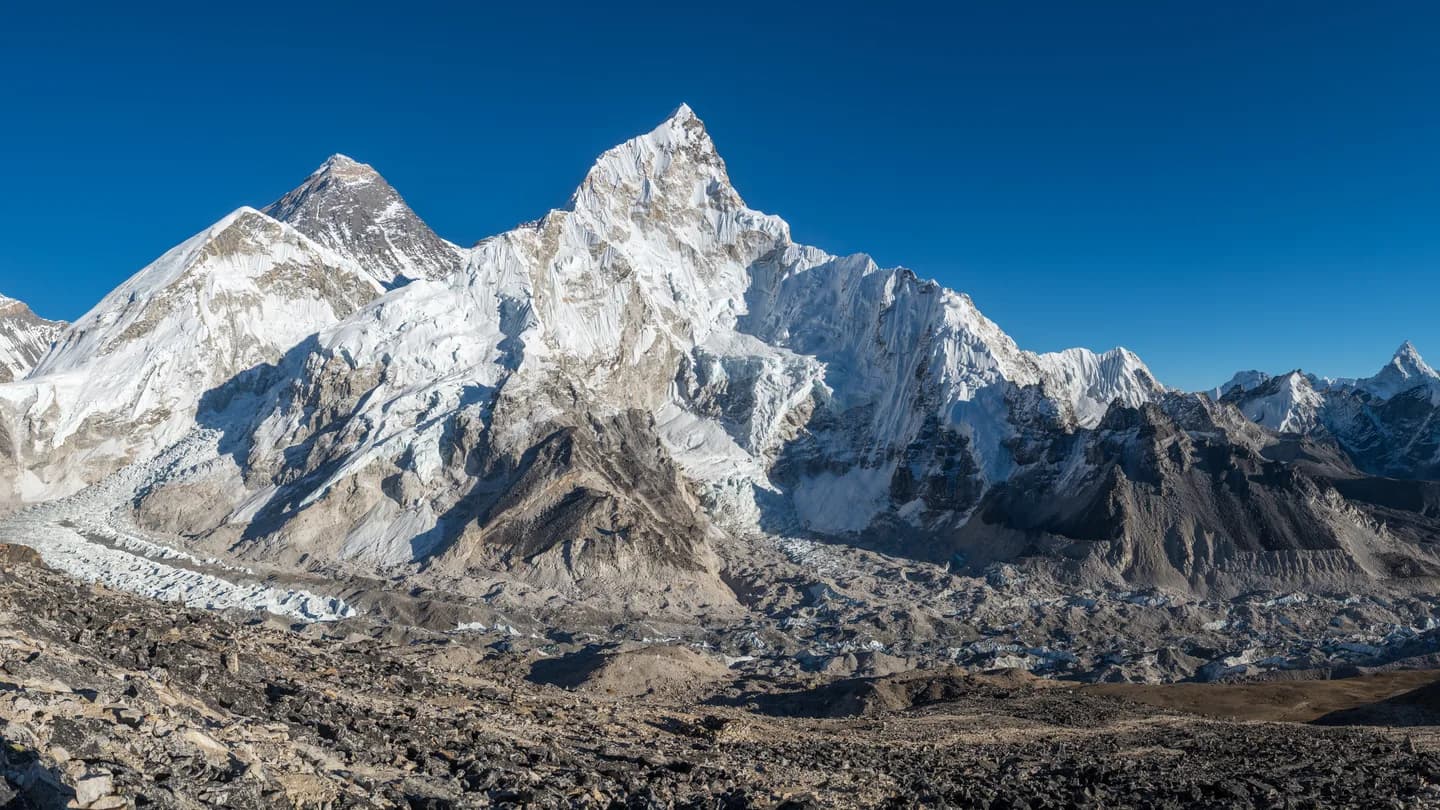
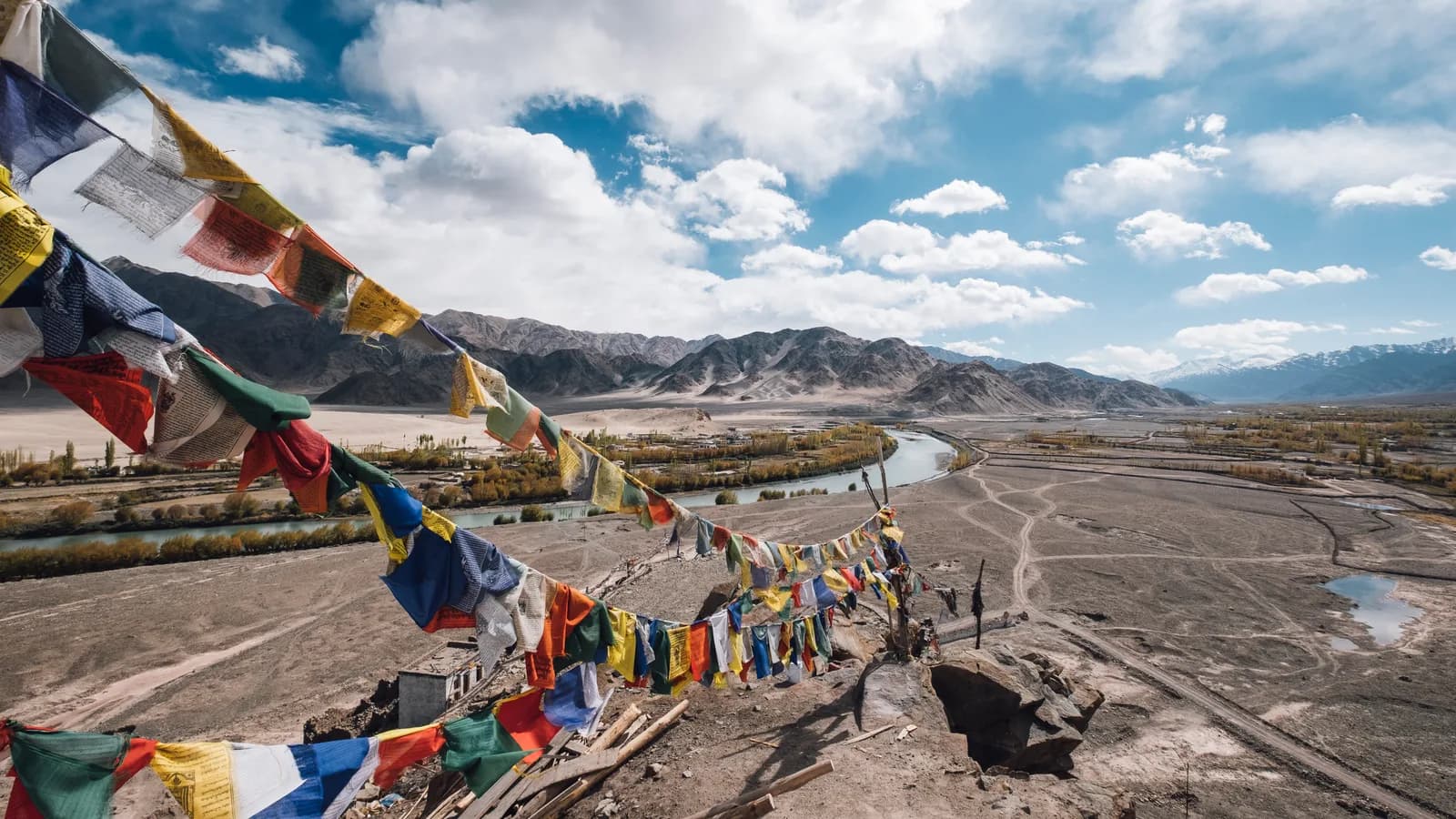
Located at an altitude of 3,710 meters at the foot of the Thorong La pass in Mustang, Muktinath is one of the world's highest temple complexes. Its name translates to "Place of Liberation or Moksha," and it holds immense significance for both Hindus and Buddhists.
Hindu Significance
For Hindus, Muktinath is a sacred place of salvation. It is believed that bathing in the waters here guarantees salvation after death. The temple is one of the 108 Divya Desams (premium temples) dedicated to Lord Vishnu. The 108 waterspouts, cast in the shape of cow heads, pour freezing holy water that pilgrims bravely run through to cleanse their sins.
Buddhist Significance
Buddhists call the site Chumig Gyatsa, which in Tibetan means "Hundred Waters." For Tibetan Buddhists, Muktinath is a very important place of Dakinis (goddesses known as Sky Dancers). It is believed that Guru Rinpoche (Padmasambhava) meditated here on his way to Tibet.
The Eternal Flame
One of the most mystical elements of Muktinath is the Jwala Mai temple. Inside, a natural gas flame burns continuously on top of a rock, directly above a small stream of water. The harmonious presence of earth, water, and fire makes this a highly revered energetic center.