
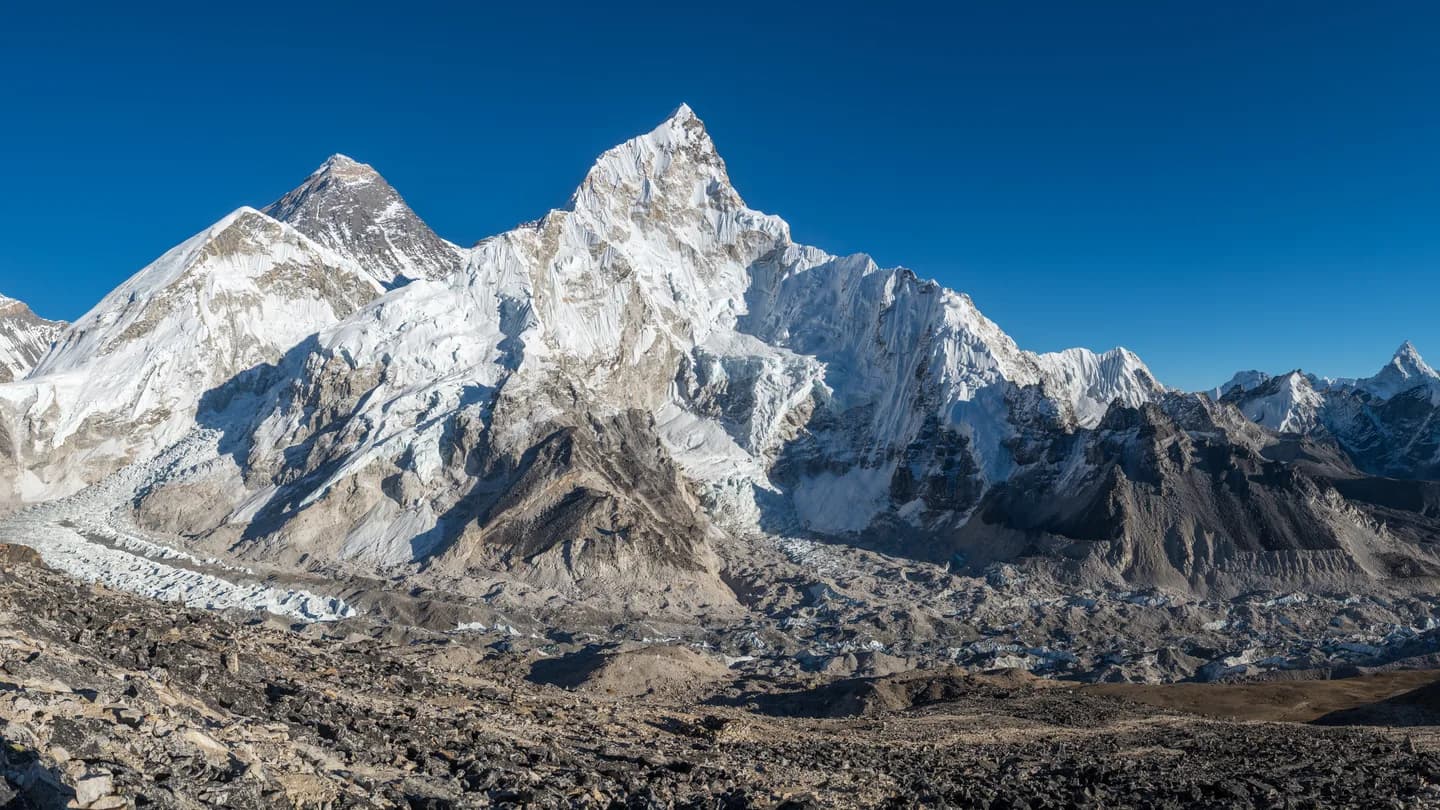
The Definitive 2026 Kailash Mansarovar Yatra Cost Guide
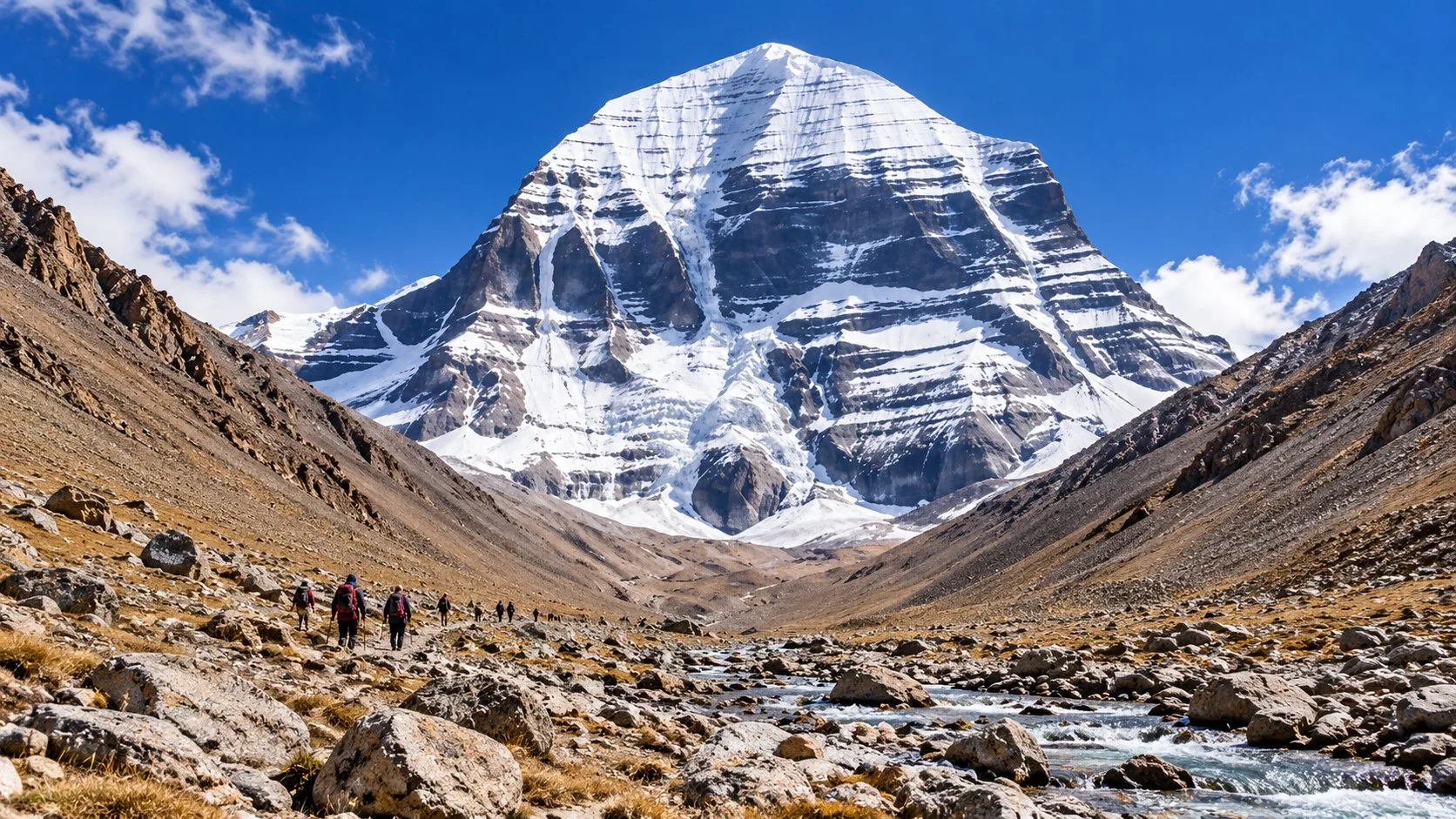
The holy pilgrimage to Mount Kailash (6,638m / 21,778 ft) and the divine waters of Lake Mansarovar (4,590m / 15,060 ft) is revered as the ultimate spiritual journey by Hindus, Buddhists, Jains, and Bonpos. Located in the Ngari Prefecture of the Tibet Autonomous Region (TAR), China, accessing this sacred sanctuary requires careful logistical planning, multi-agency government clearances, and transparent budgeting.
In 2026, post-reopening travel dynamics, revised Tibet Tourism Bureau (TTB) fee structures, Chinese Group Visa processing rules, and fluctuating cross-border aviation rates have altered the financial landscape of the Yatra.
To help you make an informed decision, this guide provides a transparent, line-by-line financial breakdown comparing the three primary ways to undertake the Yatra in 2026:
- The Helicopter-Assisted Route (via Nepalgunj – Simikot – Hilsa – Purang / Taklakot)
- The Overland Route (via Kathmandu – Syabrubesi – Kyirong Border – Saga – Mansarovar)
- The Scenic Mountain Aerial Darshan Flight (Charter flight from Nepalgunj/Kathmandu viewing Kailash from Nepalese airspace without entering Tibet)
2026 Master Route Cost Comparison Table
Line-by-Line Cost Breakdown for 2026
To understand what you are paying for, here is the granular breakdown of where your Yatra investment goes:
- 1. Tibet Government & Permit Fees (TTB, FEC, CIPSC): ~35% of package cost
- 2. Aviation & Helicopter Charters (Kathmandu-Nepalgunj-Simikot-Hilsa): ~28% of package cost
- 3. Tibet Transport & Luxury Oxygen Coaches: ~14% of package cost
- 4. Nepalese Sherpa Support Team & Mobile Kitchen Logistics: ~10% of package cost
- 5. Hotels & Tibetan Guesthouses: ~8% of package cost
- 6. Emergency Oxygen, Gamow Bag & First-Aid Infrastructure: ~5% of package cost
1. Tibet Tourism Bureau (TTB) & CIPSC Foreign Exchange Center Fees
All foreign yatris visiting Mount Kailash must pay mandatory fees directly to the China-India Pilgrimage Service Center (CIPSC) and Tibet Tourism Bureau (TTB). This covers:
- Tibet Travel Permit (TTP) & Alien's Travel Permit (ATP)
- Military Security Clearance for Ngari Border Zone
- Foreign Affairs Bureau Registration Fee
- Eco-Bus transit tickets at Lake Mansarovar and Yam Dwar
- 2026 Cost Allocation: ~$1,100 – $1,450 per person (integrated into your package price).
2. Chinese Group Visa Processing Fees in Kathmandu
Unlike a standard Chinese tourist visa, Kailash yatris traveling via Nepal must be issued a collective Chinese Group Visa stamped on a separate paper manifest by the Chinese Embassy in Kathmandu.
- Indian Nationals: Fixed group pilgrimage visa fee set under bilateral agreements (~$180 – $220).
- US Citizens: Higher reciprocity fee mandated by Chinese Embassy (~$220 – $280).
- Canadian, UK, European, Australian & Singaporean Passport Holders: ~$175 – $230.
- Biometric Requirement: In 2026, all yatris (including NRIs) must allocate 3 working days in Kathmandu for biometric scanning at the Chinese Visa Application Service Center before entering Tibet.
3. Aviation & Helicopter Charters
For the helicopter route, aviation represents a significant portion of the cost:
- Scheduled flight: Kathmandu to Nepalgunj (return)
- Scheduled flight: Nepalgunj to Simikot (return)
- Airbus H125 Helicopter Charter: Simikot to Hilsa border (return)
- Aviation fuel surcharges and mountain airport taxes across remote Karnali runways.
4. Sherpa Support Team & Pure Vegetarian Mobile Kitchen
A signature hallmark of Zeo Tourism’s operations is deploying our own experienced Nepalese Sherpa kitchen crew. Tibetan guesthouse food in remote Darchen and Dirapuk is basic; our Sherpa team carries fresh ingredients, cooking gas, and water purifiers to prepare hot, hygienic 100% Pure Vegetarian, Satvik, and Jain meals three times daily.
5. Tibetan Logistics & Oxygen-Equipped Luxury Coaches
Once crossing the Friendship Bridge or Hilsa border, yatris board modern, air-conditioned Chinese tourist coaches equipped with central oxygen diffusers, accompanied by a certified English-speaking Tibetan guide and a dedicated Nepalese tour leader.
Costs Excluded from Standard Packages: On-Ground & Personal Expenses
When budgeting for your 2026 Yatra, you must account for personal on-ground costs that cannot be included in group tour invoices:
1. Horse / Pony & Porter Hire for 3-Day Kailash Parikrama (Kora)
If you cannot walk the 52 km circumambulation around Mount Kailash on foot, you can hire a horse/pony and a dedicated Tibetan horseman at Yam Dwar:
- 3-Day Horse / Pony Hire: Approximately 3,200 to 4,000 Chinese Yuan (CNY) (~$450 – $580 / ₹38,000 – ₹48,000).
- 3-Day Personal Porter: Approximately 1,200 to 1,500 Chinese Yuan (CNY) (~$170 – $215 / ₹14,000 – ₹18,000).
- Crucial Rule: Once hired at Yam Dwar, horse and porter fees are strictly non-refundable even if you terminate your Parikrama early at Dirapuk due to altitude sickness.
2. Travel & Medical Evacuation Insurance
High-altitude evacuation insurance covering altitudes up to 6,000 meters (20,000 ft) with emergency helicopter rescue in Nepal and cross-border repatriation from Tibet is mandatory.
- Average cost: $150 to $280 per person depending on age and nationality.
3. Mandatory Staff Tipping Protocol
It is customary in Himalayan expeditions to tip the Sherpa cooks, drivers, Tibetan guides, and airport baggage handlers:
- Recommended budget: $100 to $150 (₹8,000 to ₹12,000) per yatri for the entire team.
Day-by-Day Route Itinerary: 11-Day Helicopter-Assisted Yatra
- Day 1: Arrival in Kathmandu (1,400m) | Biometrics & Briefing | Dwarika's / 5-Star Hotel
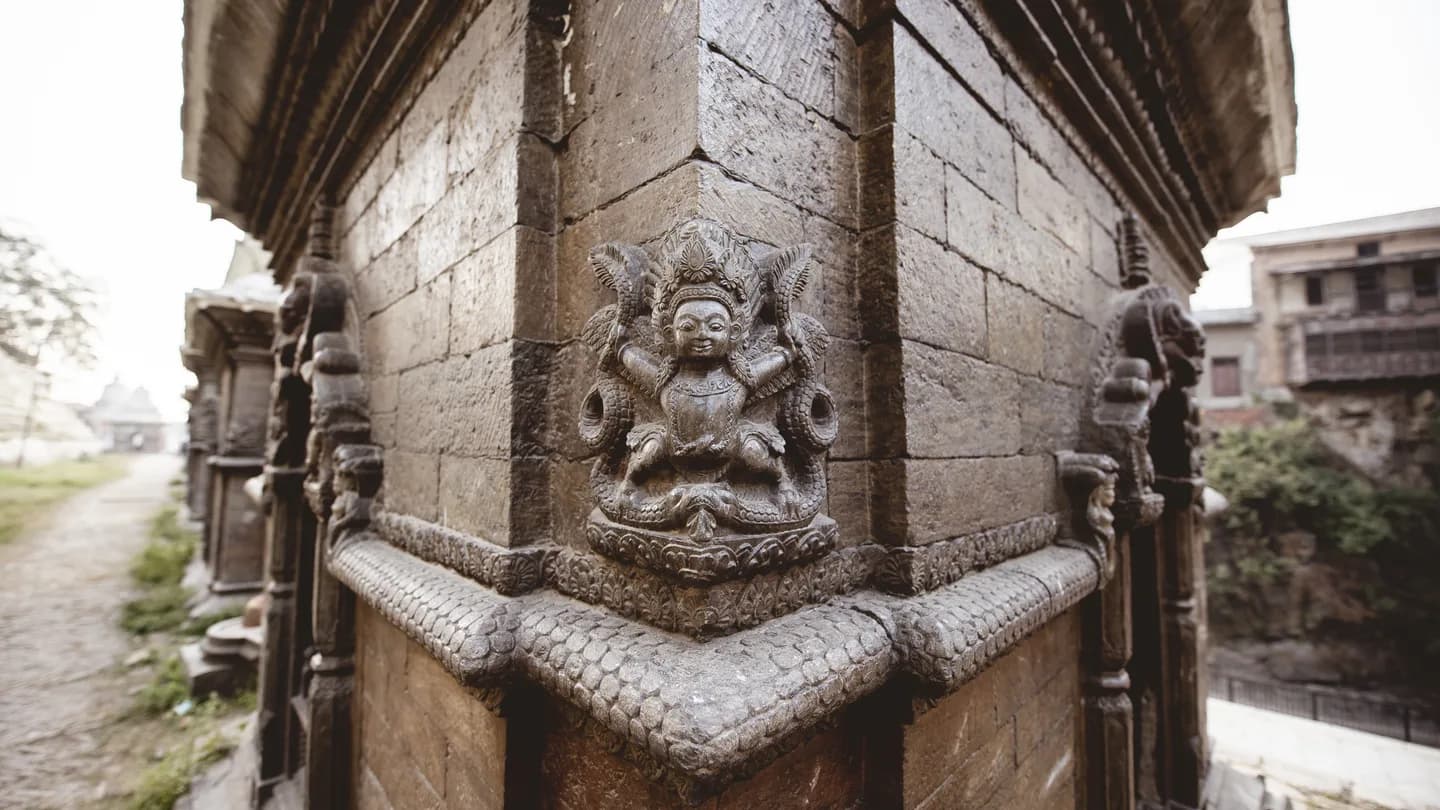
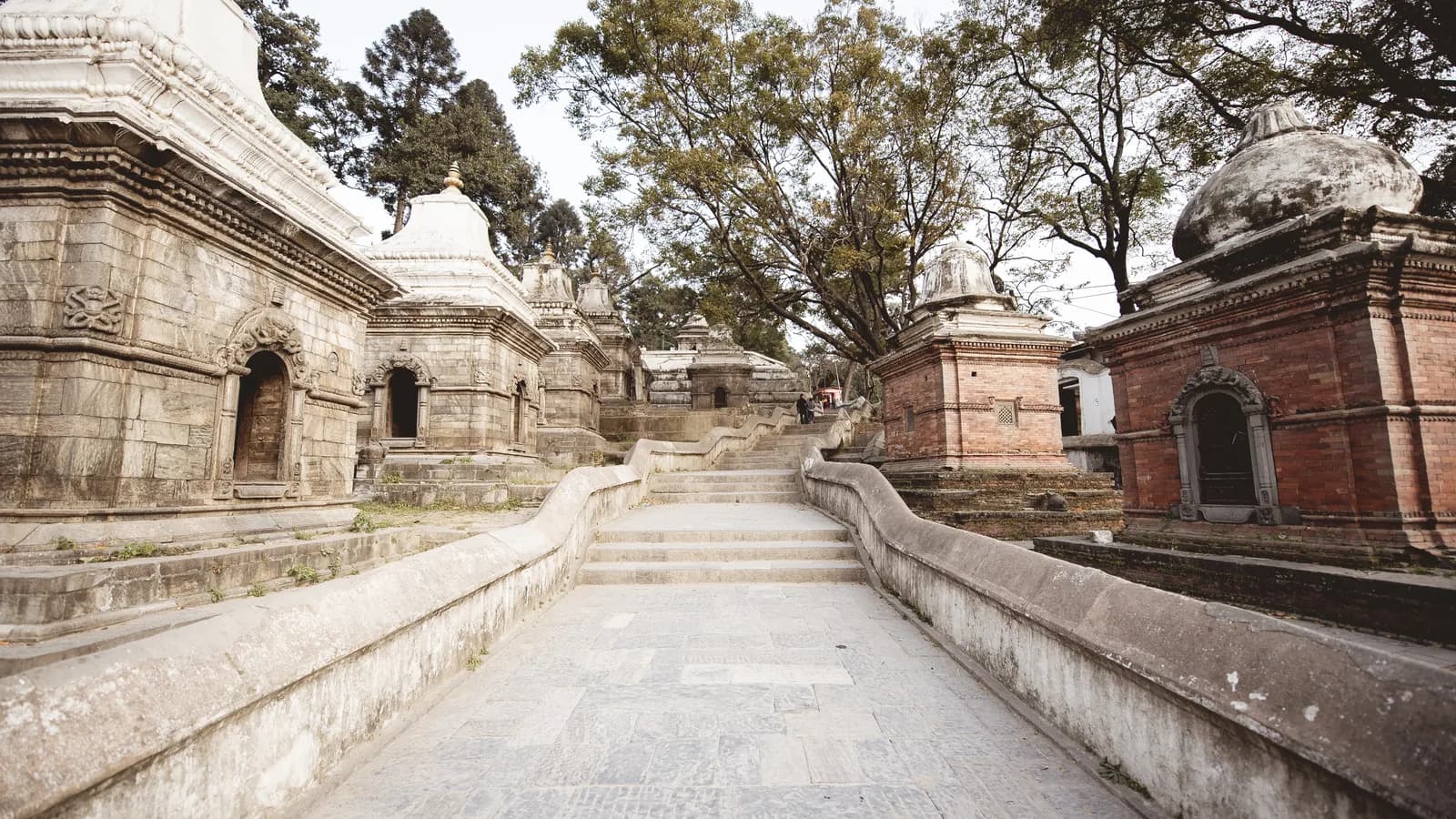
- Day 2: Kathmandu Temple Darshan | Chinese Visa Clearance & Equipment Check
- Day 3: Flight to Nepalgunj (150m) | Evening Briefing & Acclimatization
- Day 4: Morning Flight to Simikot (2,950m) | Helicopter to Hilsa | Enter Tibet to Purang (3,750m)
- Day 5: Full Rest & Acclimatization Day in Purang / Taklakot (3,750m)
- Day 6: Drive to Sacred Lake Mansarovar (4,590m) | Holy Bath & Mansarovar Parikrama
- Day 7: Drive to Darchen (4,575m) | Yam Dwar Darshan | 1st Day Parikrama to Dirapuk (4,890m)
- Day 8: 2nd Day Parikrama over Dolma La Pass (5,630m) & Gauri Kunda to Zuthulpuk (4,790m)
- Day 9: 3rd Day Parikrama to Darchen | Drive to Hilsa | Helicopter to Simikot / Nepalgunj
- Day 10: Flight to Kathmandu | Farewell Dinner & Celebration
- Day 11: Final Blessings & International Departure
Day 1 & 2: Kathmandu Preparation & Visa Formalities
Arrive in Kathmandu and complete biometric submission at the Chinese Visa Center. Undergo personal medical equipment checks, pulse oximeter baseline tests, and attend a comprehensive safety briefing.
Day 3 & 4: The Aviation Transit to Tibet Border
Fly from Kathmandu to Nepalgunj, then take an early morning mountain flight to Simikot Airport in remote northwestern Nepal. Board an Airbus H125 helicopter for a breathtaking 18-minute flight down the Karnali gorge to Hilsa border. Cross the Friendship Suspension Bridge into Tibet, clear Chinese immigration and customs at Purang (Taklakot).
Day 5 & 6: Purang Acclimatization & Lake Mansarovar Darshan
Spend an entire day resting and acclimatizing at 3,750m in Purang. On Day 6, drive past the Rakshastal (Lake of the Demon King) to arrive at the emerald holy waters of Lake Mansarovar (4,590m). Complete a vehicle circumambulation (Parikrama) of Mansarovar, perform holy rituals, and witness the awe-inspiring southern face of Mount Kailash.
Day 7: Yam Dwar & The Trek to Dirapuk (North Face of Kailash)
Drive 35 km to Darchen, the base settlement of Mount Kailash. Proceed to Yam Dwar (Gate of the God of Death), where the sacred walking Parikrama officially begins. Devotees hiking or riding horses cover 12 km along the Lha Chu river canyon to reach Dirapuk Monastery (4,890m), directly opposite the glowing North Face of Kailash.
Day 8: Crossing Dolma La Pass (5,630m) & Gauri Kunda to Zuthulpuk
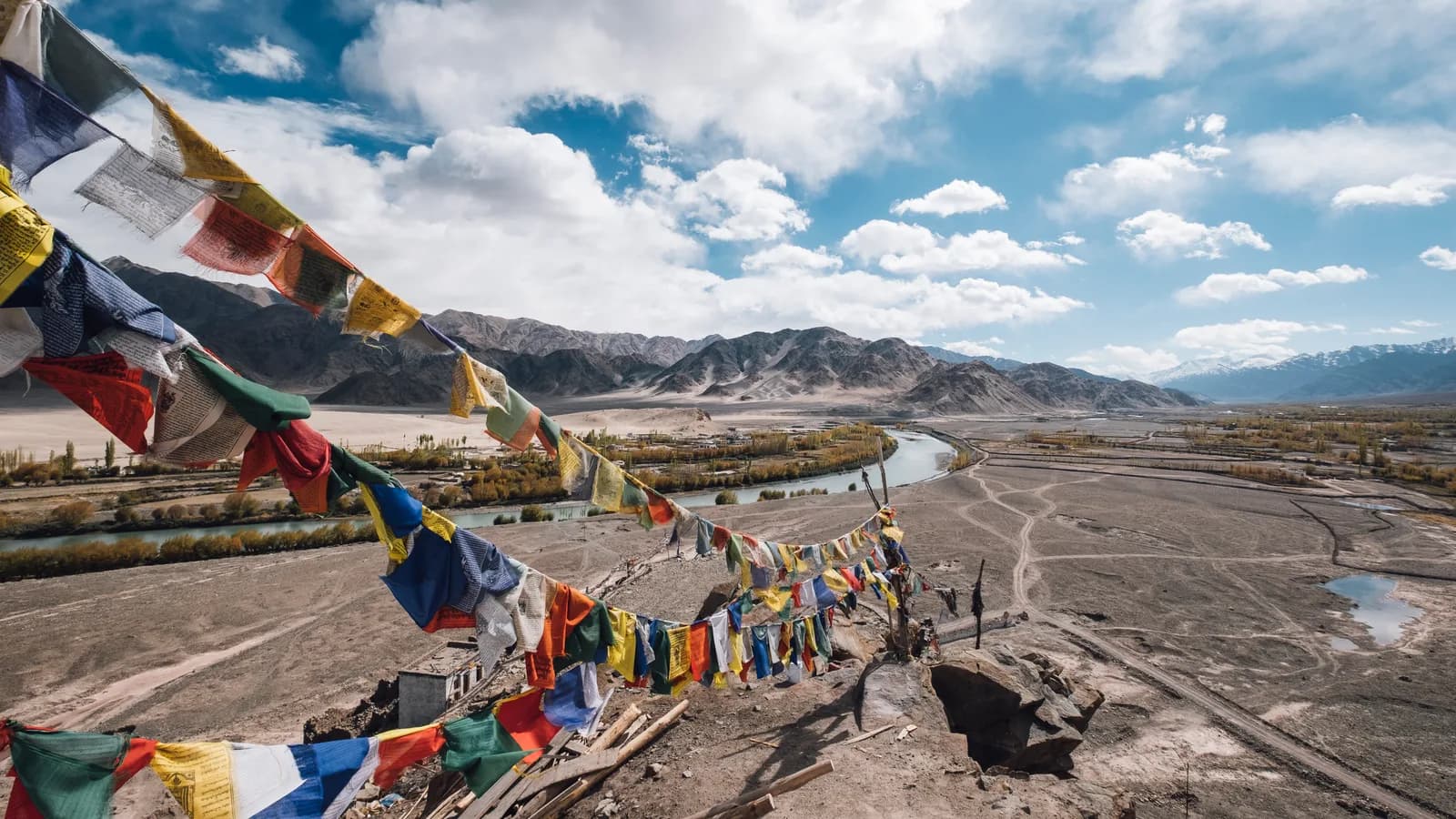
The most sacred and physically demanding day of the Yatra. Ascend the steep scree slope to the crest of Dolma La Pass (5,630m / 18,471 ft), adorned with thousands of vibrant prayer flags. Offer prayers and begin the steep descent past the emerald-green holy tarn of Gauri Kunda (Lake of Compassion) to the gentle valley floor of Zuthulpuk Monastery (4,790m).
Day 9: Concluding the Parikrama & Return to Nepal
Complete the gentle 8 km morning walk from Zuthulpuk to the exit checkpoint near Darchen. Board waiting coaches to drive directly to the Hilsa border. Fly via helicopter back to Simikot and connect by scheduled flight to Nepalgunj.
Day 10 & 11: Kathmandu Celebration & Return Flight
Fly from Nepalgunj back to Kathmandu. Celebrate the completion of the divine Parikrama with a gala Satvik dinner and certificate of completion ceremony before your international flight.
Kailash Aerial Darshan: The Zero-Visa, Zero-Exertion 2026 Alternative
For senior citizens, travelers with acute respiratory/cardiovascular limitations, or those unable to obtain Chinese visa clearances, Zeo Tourism operates the Kailash Mansarovar Aerial Mountain Flight.
How It Works:
- Board a pressurized turboprop aircraft (ATR-72 / Bombardier) departing from Nepalgunj or a private charter from Kathmandu.
- The flight climbs to 24,000+ feet, cruising along the northwestern Nepal-Tibet border corridor (Humla Limi Valley).
- Every passenger enjoys a guaranteed window seat with unobstructed, close-up aerial views of Mount Kailash South and West faces, Lake Mansarovar, Lake Rakshastal, and Mount Gurla Mandhata.
- Flight Duration: 75 to 90 minutes.
- Price: ₹48,000 – ₹65,000 (Indian passport) / $650 – $850 (Foreign passport).
- Key Advantage: No passport surrender, no biometric delays, no physical strain, and 100% completion in a single morning.
5 Critical Tips to Avoid Kailash Yatra Pricing Scams
- Beware of Unrealistic "Discount" Package Prices: Operators advertising Kailash Yatras under ₹1,80,000 or $2,500 often cut corners on safety, omit the Chinese visa fee, house yatris in squalid unheated dormitories, or abandon travelers if flight delays occur in Simikot.
- Demand Guaranteed Group Visa Processing: Ensure your operator has direct relationships with the Chinese Embassy in Kathmandu to avoid last-minute visa rejection.
- Verify Oxygen & Hyperbaric Equipment: Confirm in writing that your operator provides portable medical oxygen cylinders and a Gamow bag in Tibet.
- Check Single Supplement Clauses: Clarify hotel room sharing policies in Kathmandu, Purang, and Saga.
- Review Flight Delay Contingency Policies: Weather delays in Simikot and Hilsa are common; ensure your agency has established hotel networks in Simikot to host you comfortably without exorbitant extra charges.
Frequently Asked Questions (FAQ)
What is the total cost of Kailash Mansarovar Yatra in 2026?
For Indian passport holders, the full 11-Day helicopter route package ranges between ₹2,85,000 and ₹3,45,000 per person. For NRI and foreign passport holders (US, UK, Canadian, Australian), the cost ranges between $3,850 and $4,600 per person, including all Tibet permits, Chinese Group Visa fees, domestic flights, helicopter charters, meals, and accommodation.
Why is the cost higher for US and NRI passport holders compared to Indian citizens?
The price disparity stems from official Chinese government regulations: the Tibet Tourism Bureau and CIPSC charge higher Foreign Exchange Center royalty fees for non-Indian passport holders, and the Chinese Embassy enforces higher reciprocal visa processing fees for US and Western passports.
Is horse riding included in the package for Kailash Parikrama?
No. Horse / pony and porter hire during the 3-day Kailash Kora (from Yam Dwar to Dirapuk, Dolma La Pass, and Zuthulpuk) is managed directly by the local Tibetan Union at Yam Dwar and costs approximately 3,200 to 4,000 Chinese Yuan (~$450 – $580 / ₹38,000 – ₹48,000) paid directly in cash.
What is the best month for Kailash Mansarovar Yatra in 2026?
The optimal season runs from May through late September. The most auspicious times are the Saga Dawa Festival (May/June) and the full moon nights (Purnima) in July, August, and September, which offer clear skies and divine lunar reflections on Lake Mansarovar.
How do I reserve a 2026 departure slot with Zeo Tourism?
To secure your Tibet travel permit and group visa quota, we recommend reserving your slot at least 60 to 90 days prior to your intended travel date with a deposit and passport color copies.
Reserve Your 2026 Kailash Yatra with Zeo Tourism
Embark on the journey of a lifetime with the trans-Himalayan pilgrimage pioneers. Contact our dedicated Kailash Desk for fixed departure schedules and personalized consultation.
- Direct WhatsApp Kailash Desk: +9779813641003
- Email: kailash@zeotourism.com
- Headquarters: Kathmandu, Nepal