
NRI Kailash Mansarovar Yatra for Families and Seniors: A Complete Decision Guide
For Non-Resident Indians (NRIs) and overseas pilgrims—especially those traveling with parents or senior family members—Kailash Mansarovar represents a sacred milestone. The journey to the foot of Mount Kailash and around Lake Mansarovar is not just a pilgrimage; it is a test of endurance, adaptability, and emotional resilience. While the spiritual reward is profound, the physical and logistical demands are significant. This guide is designed to help families make an informed, compassionate, and practical decision about whether the Kailash Mansarovar Yatra is right for their loved ones, particularly seniors or those with health considerations.
We’ll walk through essential questions, route comparisons, permit requirements, health precautions, family logistics, and common pitfalls—all tailored to the realities of traveling from Nepal with international passports, OCI cards, or Indian-origin documentation. Whether you're coordinating from the U.S., Europe, Australia, or the Gulf, this article will help you assess readiness, manage expectations, and plan responsibly.
Why This Guide Is Needed: The Reality Behind the Pilgrimage
Kailash Mansarovar is often described as the “roof of the world.” At 6,714 meters, Mount Kailash is sacred in Hinduism, Buddhism, Jainism, and Bon traditions. The 52-kilometer kora (circumambulation) around the mountain and the serene waters of Lake Mansarovar offer a transformative experience. But for families with elders, the journey begins long before departure.
Many NRIs plan this yatra as a once-in-a-lifetime experience for aging parents who have waited decades to fulfill a spiritual vow. Yet, the terrain—high-altitude passes, unpaved roads, basic guesthouses, and sub-zero temperatures—can be daunting. Families often face pressure from tradition, community expectations, or personal guilt. This guide helps reframe the decision from “must do” to “meaningful and safe if done right.”
Senior Traveler Assessment: Can They Go?

Before booking flights or permits, assess the physical and mental readiness of the senior traveler. This is not a vacation—it’s a high-altitude expedition with limited medical support.
Key Health Questions
Ask these questions honestly:
- Mobility: Can the traveler walk slowly for 2–4 hours per day on uneven terrain, including rocky paths and dirt roads?
- Altitude tolerance: Have they experienced altitudes above 3,000 meters before? Did they experience dizziness, nausea, or shortness of breath?
- Chronic conditions: Are heart disease, hypertension, diabetes, or lung conditions (e.g., COPD, asthma) well-controlled with medication?
- Cold tolerance: Can they tolerate temperatures below 0°C (32°F) for extended periods, especially at night?
- Basic comfort: Are they comfortable with shared or basic guesthouse rooms, limited hot water, and long road transfers?
- Emergency mindset: Are they willing to skip the Kailash kora or Mansarovar parikrama if advised by a doctor or guide?
Note: Altitude sickness can strike even healthy individuals. Acclimatization is non-negotiable. A senior with uncontrolled hypertension or a history of heart issues should reconsider unless cleared by a cardiologist.
Mental and Emotional Readiness
- Is the traveler emotionally prepared for delays, cancellations, or changes in plan?
- Can they accept that the yatra may be more about darshan (sight) of Kailash and Mansarovar than completing the full kora?
- Are they comfortable with group travel, shared transport, and limited privacy?
Good decision rule: If the senior traveler cannot comfortably walk 5 km per day at sea level, or if they have significant cardiac or respiratory limitations, the Kailash Mansarovar Yatra may not be suitable—even with support.
Route Comparison: Which Path Is Right for Your Family?
Kailash Mansarovar can be approached via two main routes: through Tibet (via China) or through Nepal. For NRIs and overseas pilgrims, the Nepal route is far more accessible, logistically simpler, and avoids the complexity of a Chinese visa and permits.
Nepal Route (via Kathmandu)
This is the standard and recommended route for international travelers.
✅ Advantages:
- No Chinese visa required.
- Permits processed through Nepal-based agencies.
- Kathmandu serves as a safe hub for briefing, acclimatization, and contingency.
- Better access to medical evacuation (e.g., to Kathmandu or Delhi).
- More English-speaking guides and support staff.
- Lower political risk compared to China.
❌ Challenges:
- Still involves high-altitude travel (up to 5,600m at Dolma La Pass).
- Long road journeys (Kathmandu to Kailash: ~1,200 km, 2–3 days by road).
- Basic guesthouses and shared facilities.
- Weather-dependent road conditions (monsoon delays possible).
Typical Nepal Route Itinerary (18–21 days):
Note: This is a trekking + road hybrid route. The full kora is only possible for those who are physically prepared. Many seniors opt to skip the kora and stay near Mansarovar for darshan.
Permits and Documents: What You Must Prepare
The Kailash Mansarovar Yatra from Nepal requires multiple permits. These are coordinated by licensed Nepalese agencies, but families must provide accurate documentation early.
Required Permits (Nepal Route):
Important: The Tibet Travel Permit (TTP) is the most critical and time-sensitive. It is issued only after your group is registered with the Chinese Embassy in Kathmandu. This process can take 10–14 days and requires:
- Passport with at least 6 months validity
- Passport-sized photos
- Completed application form
- Agency letter of invitation
Passport and Nationality Considerations
This is where many families make costly mistakes.
Key Takeaway: Only foreign passport holders (and some select nationalities with diplomatic arrangements) can enter Tibet via Nepal. Indian citizens and OCI holders cannot do the Kailash Mansarovar Yatra via the Nepal route. They must apply through the Indian missions in China or via the Indian government’s Kailash Mansarovar Yatra program.
Health, Insurance, and Emergency Preparedness
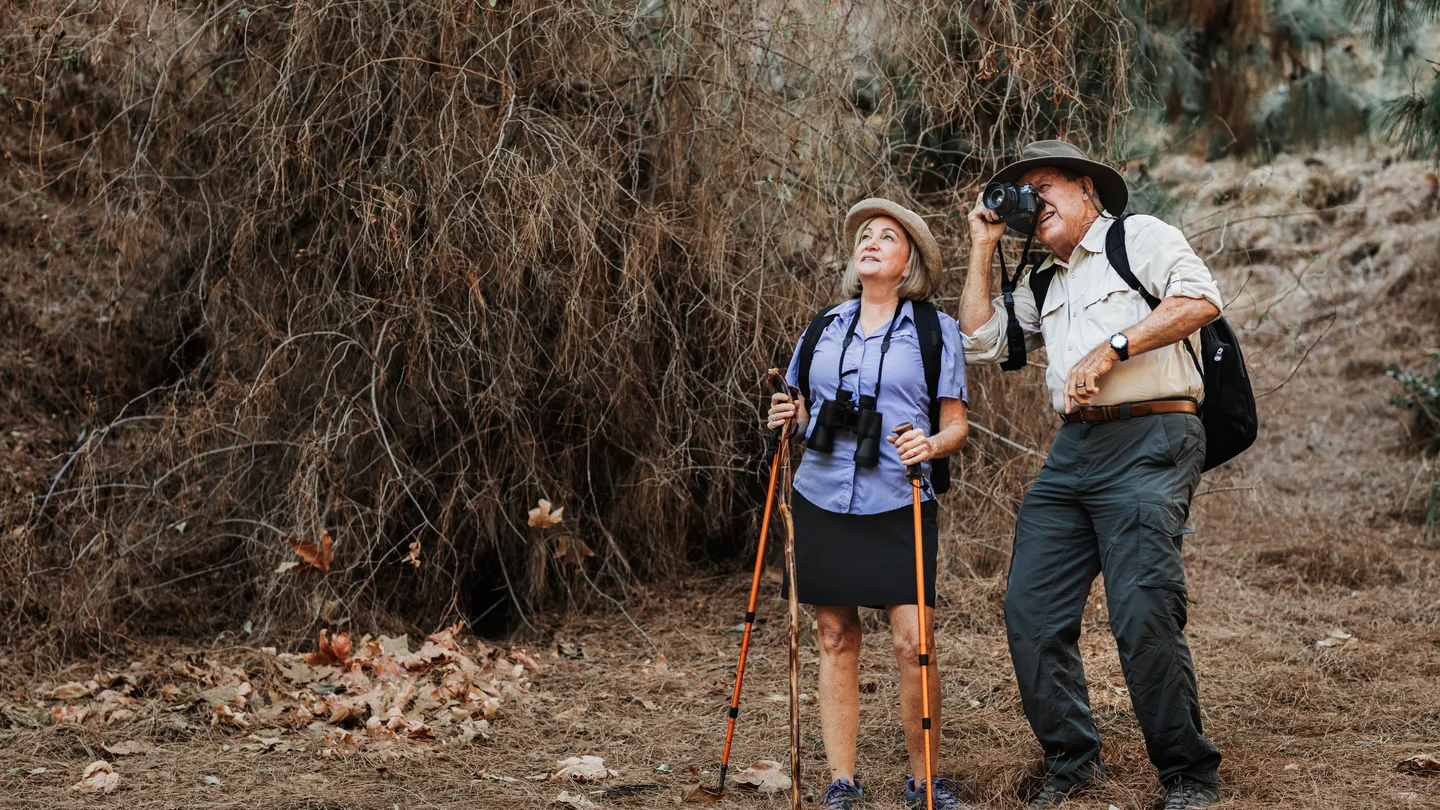
High-altitude travel is dangerous without preparation. Even with support, medical evacuation can take 24–48 hours to reach a hospital.
Health Screening Checklist
Before departure:
- Full medical check-up (especially heart, lungs, blood pressure)
- Doctor’s clearance for high-altitude travel
- List of medications (with generic names) and prescriptions
- Vaccination records (hepatitis A/B, typhoid, tetanus, COVID-19 if required)
- Altitude sickness medication (Diamox/acetazolamide) – consult doctor
- Portable oxygen canister (optional, but recommended for seniors)
Travel Insurance Requirements
- Must cover: Emergency evacuation from Tibet to Kathmandu or Delhi
- Minimum coverage: USD 100,000 (some agencies require USD 200,000)
- Exclusions to avoid: Pre-existing conditions, altitude above 5,500m, adventure sports
- Recommended insurers: World Nomads, Allianz, IMG, Tata AIG (for NRIs)
Warning: Many standard travel insurance policies do not cover high-altitude trekking or Tibet. Confirm in writing before paying the final balance.
Altitude Sickness: Prevention and Response
- Acclimatize: Spend 2–3 days in Kathmandu (1,400m), then 1–2 days in Namche Bazaar (3,440m).
- Hydrate: Drink 3–4 liters of water daily.
- Ascend slowly: No more than 300–500 meters per day above 3,000m.
- Recognize symptoms: Headache, nausea, dizziness, confusion, shortness of breath.
- Act fast: Descend immediately if symptoms worsen. Do not wait.
Note: Diamox (acetazolamide) can help prevent altitude sickness but must be started 24–48 hours before ascent and continued during high-altitude exposure. Consult a physician.
Family Logistics: Who Does What?
Planning a Kailash yatra with seniors is a team effort. Assign roles to avoid burnout and missed details.
Family Coordination Roles
- Primary Coordinator: Handles permits, insurance, flights, and payments
- Medical Liaison: Manages health records, medications, and emergency contacts
- Communication Lead: Keeps family updated via WhatsApp/email
- Support Person: Travels with the senior on the ground (if possible)
Packing for Seniors: Essentials Over Luxuries
Focus on warmth, comfort, and safety—not fashion.
Clothing (Layering System):
- Base layer: Merino wool or synthetic thermal underwear
- Mid layer: Fleece or down jacket
- Outer layer: Waterproof, windproof jacket and pants
- Accessories: Warm gloves, thermal hat, scarf, sunglasses (UV 400+)
- Footwear: Broken-in trekking shoes with ankle support, warm socks (wool blend)
Gear:
- Trekking poles (highly recommended for stability)
- Sleeping bag rated to -10°C
- Thermos flask for hot water
- Headlamp with extra batteries
- Power bank (cold drains batteries fast)
Documents:
- Passport (original + 3 copies)
- Permits (printed, laminated)
- Insurance policy (digital + printed)
- Medical summary (with blood type, allergies, medications)
- Emergency contacts (family, doctor, embassy)
Common Mistakes to Avoid
Even experienced travelers make these errors. Learn from them.
❌ Mistake 1: Booking the Shortest Itinerary
Why it fails: The 14-day “express” Kailash tour skips acclimatization. Seniors often struggle with altitude sickness, fatigue, and disappointment. Fix: Choose 18–21 days. Add rest days in Kathmandu and Namche Bazaar.
❌ Mistake 2: Assuming All Passports Are Equal
Why it fails: OCI, PIO, and foreign passports have different Tibet permit rules. Indian citizens cannot use the Nepal route. Fix: Confirm nationality and passport type before booking. Disclose all passports in the family.
❌ Mistake 3: Skimping on Insurance
Why it fails: A senior with a heart condition may be denied evacuation coverage if pre-existing conditions aren’t declared. Fix: Buy a high-altitude, Tibet-specific policy with evacuation to Kathmandu or Delhi.
❌ Mistake 4: Ignoring Weather and Road Conditions
Why it fails: Monsoon (June–September) can flood roads between Saga and Kailash. Landslides block routes for days. Fix: Travel in May–early June or September–October. Avoid July–August.
❌ Mistake 5: Over-relying on Guides or Horses
Why it fails: Horses and porters are not always available, especially in peak season. Guides cannot carry medical equipment. Fix: Plan for self-sufficiency. Bring a support person if possible.
Who Is This Guide For?
This advice is designed for:
- NRIs traveling with parents or elders
- Overseas Indian-origin families with foreign passports
- Senior pilgrims (60+ years) seeking spiritual fulfillment
- Group coordinators planning for multiple family members
- First-time high-altitude travelers unfamiliar with Tibet/Nepal logistics
Not suitable for: Individuals with uncontrolled heart disease, recent stroke, severe respiratory illness, or those unable to walk 5 km per day.
When to Book: Timing and Demand
Kailash Mansarovar is a limited-access pilgrimage. Spots are allocated, permits are finite, and demand is rising.
2026 Travel Outlook
- Nepal welcomed over 620,000 international tourists in the first half of 2026, showing strong recovery in tourism.
- February 2026 arrivals passed 105,000, indicating robust inbound travel.
- Kailash yatra slots are often booked 6–9 months in advance, especially for peak seasons (May–June, September–October).
Recommendation: Book by December 2025 for 2026 travel. This ensures:
- Better room availability
- More experienced guides
- Flexibility for route adjustments
- Time to arrange medical clearances
Source: Nepal News – Tourist Arrivals 2026 Source: Rising Nepal – February 2026 Arrivals
FAQ: Your Top Questions Answered
Q: Can I do the Kailash kora if I’m over 70?
A: It’s possible, but rare without prior high-altitude experience. Many seniors complete the darshan of Kailash and Mansarovar without the kora. Focus on safety over completion.
Q: Do I need a Chinese visa for the Nepal route?
A: No. You only need a Tibet Travel Permit (TTP), issued in Kathmandu by a licensed agency. No Chinese visa is required.
Q: What if my permit is delayed?
A: Reputable agencies include permit delay clauses in contracts. They should offer alternatives (e.g., extended Kathmandu stay, alternative itinerary) or refunds if the yatra is canceled due to permit issues.
Q: Can I travel solo as a senior pilgrim?
A: No. The Nepal government requires all trekkers in restricted areas (including Kailash region) to be accompanied by a licensed guide or registered agency. Solo travel is not permitted.
Q: What’s the best time to go?
A: May to early June or September to October. Avoid July–August (monsoon), which brings landslides and road closures.
Q: Can I use my OCI card instead of a passport?
A: No. OCI cardholders cannot get the Tibet Travel Permit via Nepal. You must apply through the Indian missions in China or via the government’s official Kailash Yatra program.
Practical Checklist: 12 Weeks to Departure
Use this timeline to stay on track.
Final Decision: Is It Right for Your Family?
Kailash Mansarovar is a journey of faith, not just geography. For families with elders, the question isn’t “Can we go?” but “Is this the right time, and are we prepared?”
If the senior traveler is in good health, emotionally ready, and supported by a flexible itinerary, the yatra can be deeply meaningful. But if the journey risks their well-being or forces unrealistic expectations, consider alternatives:
- Virtual darshan via live streams or recorded footage
- Mansarovar darshan only (staying in Saga or near the lake)
- Later years when health improves
Remember: The goal is spiritual fulfillment, not suffering. Lake Mansarovar’s darshan alone can be a complete and sacred experience.
Zeo Tourism: Your Trusted Partner for Kailash Mansarovar
Planning a Kailash yatra with seniors requires expertise, patience, and transparency. At Zeo Tourism, we specialize in Nepal-based Kailash Mansarovar journeys designed for families, seniors, and NRIs.
Our services include:
- Permit management (TTP, ATP, Nepal entry)
- Customized itineraries with extended acclimatization
- High-altitude medical support and evacuation planning
- Family-focused logistics (support roles, communication)
- Transparent pricing with no hidden costs
We don’t just book tours—we help families make wise, safe, and meaningful decisions.
👉 Browse Nepal tour packages 👉 Visit our Kailash Mansarovar planning hub 👉 Read our complete document and permit guide 👉 Contact us for personalized route advice
Source Notes
- Nepal welcomed over 620,000 foreign tourists in the first half of 2026: Nepal News
- February 2026 arrivals passed 105,000: Rising Nepal Daily
- U.S. State Department Nepal travel advisory covers visa, safety, health, and Tibet entry notes: U.S. State Department Nepal
- Nepal permits solo trekkers in restricted areas with licensed guide/registered agency conditions: ET TravelWorld
- Current Kailash permit requirements for Nepal route: Tibet Tour – Kailash Permits Guide