
NRI Kailash Yatra 2026: The Complete Document & Permit Guide for Nepal-Route Pilgrims
For Non-Resident Indians (NRIs), Persons of Indian Origin (PIOs), Overseas Citizens of India (OCIs), and foreign passport holders, the [Kailash Mansarovar Yatra](/kailash-mansarovar) via Nepal is a logistical expedition as much as a spiritual journey. The Nepal leg may feel familiar, but the Tibet portion introduces a tightly controlled permit stack, a Chinese group visa, and strict coordination through approved travel channels. A single digit error in passport details or a missed document can delay the entire yatra by weeks.
This guide is written for NRIs and overseas pilgrims who are planning their 2026 Kailash Mansarovar Yatra through Kathmandu. It covers passport and nationality differences, Nepal entry versus Tibet entry, Chinese group visa requirements, Tibet permits, health and insurance considerations, family and senior travel concerns, route comparisons, document timing, and common pitfalls. Where facts are cited, they are drawn from current travel advisories and permit guides.
1. Why NRIs Need a Different Document Plan
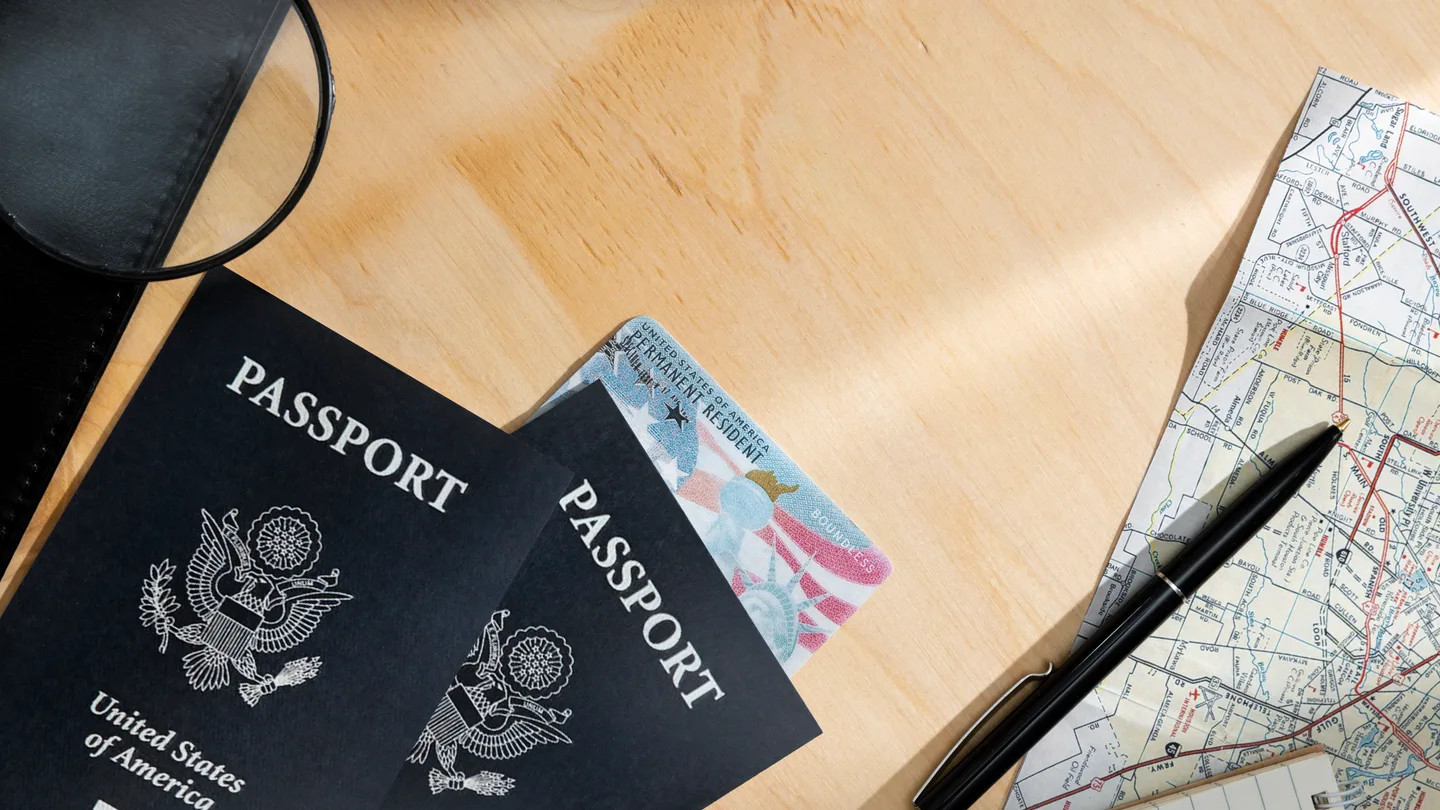
NRIs and foreign passport holders often assume that their travel documents will be treated the same as those of regular Nepal tourists. This is not the case for Kailash Mansarovar Yatra. The Nepal portion is straightforward—visa-on-arrival or e-visa, standard immigration—but the Tibet portion requires a Chinese Group Visa, a Tibet Travel Permit, an Alien Travel Permit, a Military Permit, and a Border Permit. These permits are coordinated through licensed Chinese travel agencies and cannot be arranged independently.
1.1 Passport Validity and Scan Quality
- Minimum 6 months validity from the date of entry into Nepal.
- Clear, unobstructed passport scan (no shadows, glare, or cropping errors).
- Blank visa pages: At least two full pages for Nepal entry stamp and Chinese group visa endorsement.
- No staples, tears, or water damage on the passport or scans.
Pro tip: If you hold multiple passports (e.g., Indian and foreign), use the same passport for Nepal arrival, group visa application, and Tibet permits. Switching passports mid-process can invalidate your group visa and delay the yatra.
1.2 Nationality and Document Path Differences
Important: If you are an OCI card holder or foreign passport holder, disclose your nationality and passport type at the time of booking. This affects group visa timing, permit coordination, and insurance requirements.
2. Nepal Entry vs. Tibet Entry: What Changes After Kathmandu?
The yatra typically begins in Kathmandu, where pilgrims gather for a briefing, group visa processing (if required), and final document checks. After Kathmandu, the journey crosses into Tibet via the Kodari (Zhangmu) border or Gyirong Port, depending on the route chosen.
2.1 Nepal Entry (Kathmandu)
- Visa-on-arrival: Available for most nationalities at Tribhuvan International Airport (TIA) or land borders.
- e-Visa: Recommended for faster processing (apply online 15–30 days before travel).
- Duration: 15/30/90 days, extendable in Kathmandu.
- Entry stamp: Required for re-entry into Nepal after Tibet.
Source note: The U.S. State Department’s Nepal travel advisory confirms that visa-on-arrival is available for most nationalities, but advises checking current entry requirements before travel (travel.state.gov).
2.2 Tibet Entry (After Kathmandu)
- Chinese Group Visa: Required for OCI and foreign passport holders. Issued in Kathmandu by the Chinese Embassy or consulate.
- Tibet Travel Permit: Applied for by the licensed Chinese travel agency after the group visa is issued.
- Alien Travel Permit: Required for travel outside Lhasa (e.g., to Shigatse, Saga, or Kailash region).
- Military Permit: Required for travel to sensitive border areas (e.g., near Mount Kailash).
- Border Permit: Required for crossing into the Kailash region from Tibet.
Source note: A current Kailash permit explainer outlines the Tibet Travel Permit, Alien Travel Permit, Military Permit, and Border Permit requirements for Nepal-route Kailash travel (tibettour.travel).
3. The Chinese Group Visa: Timing and Requirements
The Chinese Group Visa is the gateway to Tibet. It is issued only to groups traveling with a licensed Chinese travel agency and is not available to individual travelers.
3.1 Who Needs It?
- OCI card holders
- Foreign passport holders
- Dual nationals (if using the foreign passport for the yatra)
Indian passport holders do not need a Chinese group visa for Kailash Yatra.
3.2 Application Process in Kathmandu
- Submit passport scans and itinerary to the licensed Chinese travel agency.
- Group visa application is lodged with the Chinese Embassy or consulate in Kathmandu.
- Processing time: 5–10 business days (varies by season).
- Visa collection: Passports are collected and returned with the group visa sticker.
Critical timing: The group visa must be issued before the Tibet Travel Permit can be applied for. This means you must arrive in Kathmandu at least 10–14 days before your planned Tibet entry.
3.3 Group Visa Requirements
- Passport with 6+ months validity
- Recent passport-sized photo (white background, no glasses, no headgear)
- Completed visa application form (provided by the agency)
- Itinerary and hotel bookings in Tibet (arranged by the agency)
- Proof of travel insurance (with coverage for Tibet)
- Group leader’s details (if applicable)
Pro tip: If you are traveling with family members, ensure each person’s passport details match exactly across all documents. Even a single digit error can cause delays.
4. Tibet Permits: The Stack You Cannot Skip
Once the Chinese group visa is issued, the licensed Chinese travel agency applies for the Tibet permits. These permits are checked at multiple checkpoints along the route.
4.1 The Four Core Permits
Source note: The permit stack is explained in detail in a current Kailash permit guide (tibettour.travel).
4.2 Permit Collection and Delivery
- Permits are typically collected in Shigatse or Saga (depending on the route).
- Pilgrims do not carry the original permits—they are held by the guide and checked at checkpoints.
- Photocopies of permits are often required for guesthouse bookings and monastery visits.
Warning: Traveling without the correct permits can result in detention, fines, or deportation. Always travel with a licensed guide and agency.
5. Health, Insurance, and High-Altitude Considerations
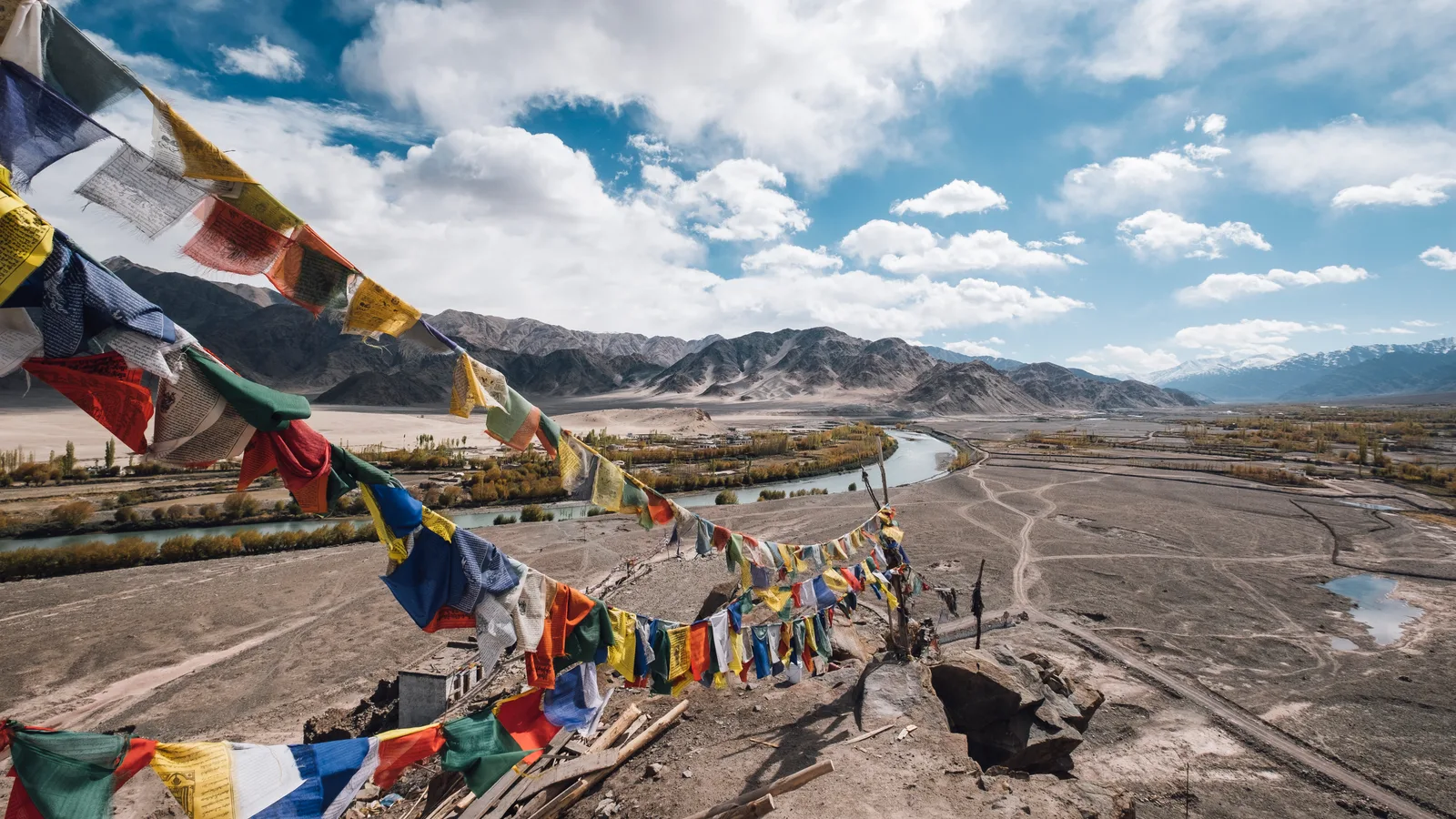
Kailash Mansarovar is a high-altitude pilgrimage. Altitude sickness, extreme cold, and limited medical facilities are real risks.
5.1 Health Requirements
- Medical certificate: Some operators require a doctor’s certificate confirming fitness for high-altitude travel.
- Vaccinations: Recommended vaccines include Hepatitis A, Typhoid, and Meningitis. Consult your doctor.
- COVID-19 requirements: Check current testing or vaccination requirements for Nepal and Tibet.
Source note: The U.S. State Department’s Nepal travel advisory includes health and safety guidance for travelers (travel.state.gov).
5.2 Travel Insurance
- Coverage: Must include high-altitude trekking, emergency evacuation, and repatriation.
- Minimum coverage: $100,000 USD for medical evacuation.
- Exclusions: Check for exclusions related to altitude above 5,000 meters or pre-existing conditions.
- Documentation: Provide policy details and emergency contact numbers to the operator.
Pro tip: Purchase insurance before paying the final balance for the yatra. Some operators require proof of insurance before issuing permits.
5.3 Altitude Acclimatization
- Gradual ascent: Choose a route that allows for acclimatization (e.g., via Saga or via Simikot).
- Rest days: Plan rest days at key stops (e.g., Nyalam, Tingri, or Saga).
- Symptoms to watch for: Headache, nausea, dizziness, or shortness of breath.
- Emergency response: Know the location of the nearest medical facility and evacuation plan.
6. Route Comparison: Which Path Suits Your Group?
The Kailash Mansarovar Yatra can be approached via two main routes from Nepal: the Tibet-Nepal Highway (Kodari/Zhangmu route) and the Heli route via Simikot.
Source note: The 2026 restricted-area solo trekking permit changes allow licensed guides and registered agencies to operate in Simikot and beyond, making the heli route more accessible (ET TravelWorld).
6.1 Route-Specific Document Requirements
- Tibet-Nepal Highway: Requires all Tibet permits (Travel, Alien, Military, Border).
- Heli Route: Requires Nepal trekking permits, TIMS card, and restricted-area permits for Simikot and beyond.
Pro tip: If you are traveling with seniors or family members, the heli route may reduce altitude stress and travel time.
7. Document Timing: When to Prepare What
Timing is everything for the Kailash Yatra. Delays in document preparation can push back your entire pilgrimage.
7.1 6–12 Months Before Travel
- Passport validity: Ensure 6+ months validity.
- Visa and permit research: Understand your nationality’s requirements.
- Insurance research: Compare high-altitude coverage options.
- Book early: Peak season (June–September) sells out quickly.
7.2 3–6 Months Before Travel
- Book your yatra package: Choose a licensed operator with experience in Kailash permits.
- Submit passport scans: Even minor errors can cause delays.
- Purchase insurance: Finalize coverage and provide policy details to the operator.
- Book flights: Kathmandu is the gateway for most routes.
7.3 1–2 Months Before Travel
- Apply for Nepal e-visa (if not using visa-on-arrival).
- Finalize group visa documents (if required).
- Confirm itinerary and permits with the operator.
- Pack for cold weather: Layered clothing, sturdy shoes, and high-altitude gear.
7.4 1–2 Weeks Before Travel
- Arrive in Kathmandu: Allow time for briefing, group visa processing, and contingency.
- Final document check: Passport, visa, permits, insurance, and emergency contacts.
- Cash in local currency: ATMs may be unreliable in remote areas.
8. Common Mistakes to Avoid
Mistakes in document preparation or timing can derail your yatra. Here are the most common pitfalls:
8.1 Passport and Nationality Errors
- Switching passports mid-process: Use one passport consistently.
- Assuming OCI = Indian passport: OCI card holders need a Chinese group visa.
- Incorrect passport scans: Check for glare, shadows, or cropping errors.
8.2 Permit and Visa Delays
- Late arrival in Kathmandu: Group visa processing takes 5–10 days.
- Incomplete permit stack: Missing Alien, Military, or Border Permit can block travel.
- Assuming permits are automatic: Permits are coordinated by the operator, not issued on arrival.
8.3 Health and Insurance Oversights
- No high-altitude insurance: Evacuation costs can exceed $20,000 USD.
- Ignoring pre-existing conditions: Some policies exclude pre-existing conditions.
- No emergency contacts: Provide 24/7 contact numbers to the operator.
8.4 Route and Itinerary Missteps
- Choosing the shortest itinerary: May not allow for acclimatization.
- Ignoring weather delays: Monsoon and winter closures can affect travel.
- Overpacking: Limit luggage to what you can carry in a duffel (heli routes have weight limits).
9. Practical Checklist for NRIs and Overseas Pilgrims
9.1 Documents to Carry
- Passport (6+ months validity, blank pages)
- Nepal visa (e-visa or visa-on-arrival stamp)
- Chinese group visa (if required)
- Tibet permits (photocopies for guesthouses)
- Travel insurance policy (with emergency evacuation)
- Emergency contact list (family, operator, embassy)
- Medical information (allergies, medications, blood type)
- Vaccination records (if required)
9.2 Packing List
- Clothing: Thermal layers, fleece, waterproof jacket, sturdy shoes, gloves, hat
- Gear: Sunglasses, sunscreen, lip balm, trekking poles, headlamp
- Medications: Diamox (acetazolamide), pain relievers, altitude sickness tablets
- Miscellaneous: Cash (NPR/USD), power bank, universal adapter, wet wipes
9.3 Pre-Departure Tasks
- Confirm passport and visa validity
- Share passport scans with the operator
- Purchase high-altitude travel insurance
- Book flights to Kathmandu
- Arrange local currency (NPR)
- Notify bank of international travel
- Download offline maps and emergency contacts
10. FAQ: Your Top Kailash Yatra Questions Answered
Should I book early for 2026 travel?
Yes. Demand for Kailash Yatra is strong, and peak-season dates (June–September) sell out quickly. Booking early ensures better guides, preferred rooms, and contingency planning.
Can rules change after I book?
Yes. Visa, permit, border, weather, and airline conditions can change. A good operator should explain what is fixed, what is variable, and what contingency plan applies.
Is the cheapest package the best choice?
Not usually. For Nepal and Kailash, the best value is the package that explains route, permits, safety, inclusions, and support clearly. Cheap packages may cut corners on permits, insurance, or guide experience.
What if my passport expires soon after the yatra?
Nepal and Tibet require 6+ months validity from the date of entry. If your passport expires within 6 months of travel, renew it before applying for visas or permits.
Can I travel solo, or do I need a group?
Kailash Yatra requires a licensed guide and agency for Tibet permits. Solo travel is not permitted in the restricted areas. For Nepal portions, solo trekking is allowed in some areas with a licensed guide.
What if I get altitude sickness?
Symptoms include headache, nausea, dizziness, or shortness of breath. Rest, hydration, and Diamox can help. Severe cases may require evacuation. Always inform your guide.
Do I need a TIMS card for the Nepal portion?
For restricted routes such as Simikot/Hilsa, confirm the current Nepal restricted-area permit requirements with the operating agency; do not assume TIMS applies to every itinerary. For standard Nepal tours, a TIMS card is not needed.
What currency should I carry?
Carry Nepalese Rupees (NPR) for Nepal and US Dollars (USD) for Tibet. ATMs may be unreliable in remote areas.
11. Zeo Tourism: Your Partner for a Smooth Kailash Yatra
Planning a Kailash Mansarovar Yatra is complex, but you don’t have to do it alone. Zeo Tourism specializes in NRIs and overseas pilgrims, with a focus on document accuracy, permit coordination, and safety.
- Expert guidance: We help you navigate passport, visa, and permit requirements based on your nationality.
- Permit coordination: We coordinate documentation requirements with the relevant authorised partners and confirm what can be arranged for your nationality and route before departure.
- Health and insurance: We ensure you have the right coverage for high-altitude travel.
- Route advice: We help you choose the best path for your group (Tibet-Nepal Highway or heli route).
- 24/7 support: We are available before, during, and after your yatra.
Ready to plan your 2026 Kailash Yatra? Browse Nepal tour packages View Kailash Mansarovar planning hub Read the Kailash document and permit guide Ask Zeo Tourism for route advice
Source Notes
- Nepal welcomed over 620,000 visitors in the first half of 2026 (Nepal News).
- February 2026 arrivals passed 105,000 (Rising Nepal).
- U.S. State Department Nepal guidance covers visa-on-arrival, safety, health, demonstrations, and Tibet entry notes (travel.state.gov).
- Nepal permits solo trekkers in restricted areas with licensed guide/registered agency conditions (ET TravelWorld).
- Current Kailash permit explainer discusses Tibet Travel Permit, Alien Travel Permit, Military Permit, and Border Permit for Nepal-route Kailash travel (tibettour.travel).