
Kailash Mansarovar Yatra from Nepal: A Complete NRIs & Overseas Pilgrims Guide (2026)
The [Kailash Mansarovar Yatra](/kailash-mansarovar) is one of the most sacred and physically demanding pilgrimages in the world. For Non-Resident Indians (NRIs), overseas Indian-origin families, and foreign passport holders, planning this journey requires careful attention to health, permits, route selection, and logistical nuances—especially when traveling via Nepal.
This guide provides an expert, practical, and calm advisory for those preparing for the 2026 pilgrimage. It covers altitude challenges, health precautions, insurance requirements, document timelines, route comparisons, and common pitfalls to avoid. Whether you are a senior pilgrim, a family coordinator, or an individual traveler, this resource will help you plan a safe, meaningful, and well-supported journey.
Why Nepal Route? Route Comparison & Key Considerations
The Kailash Mansarovar Yatra can be undertaken via two primary routes:
- Nepal Route (Kathmandu → Tibet via Rasuwagadhi/Nyalam)
- India Route (Delhi → Harsil → Uttarakhand → Kailash)
For NRIs and overseas pilgrims, the Nepal route is often preferred due to:
- Easier international access (direct flights to Kathmandu from major global hubs).
- Simpler entry logistics (Nepal visa-on-arrival vs. India’s more complex permit process).
- Better acclimatization opportunities (Kathmandu at 1,400m provides a natural buffer before high-altitude exposure).
Route Comparison Table
When to Choose the Nepal Route?
- If you are traveling from Europe, North America, or Australia, the Nepal route is more convenient.
- If you have limited leave time, the Nepal route offers a shorter total journey (16-18 days vs. 20+ days via India).
- If you are acclimatizing for altitude, the Nepal route allows better gradual ascent (Kathmandu → Nyalam → Tingri → Darchen).
When to Avoid the Nepal Route?
- If you prefer direct Indian entry (e.g., for cultural familiarity).
- If you are uncomfortable with Chinese visa/permit processes (though operators handle most of it).
- If you have specific dietary or medical restrictions that may be harder to manage in Tibet.
Passport & Nationality: Critical Differences for NRIs & Overseas Pilgrims

One of the most common mistakes pilgrims make is assuming that OCI, Indian origin, Indian passport, and foreign passport holders follow the same rules. They do not. Your passport type and nationality directly impact:
- Nepal visa requirements
- Chinese Group Visa eligibility
- Tibet Travel Permit processing
- Insurance coverage
Passport & Nationality Breakdown
Critical Passport Tips
✅ Use the same passport for all bookings (Nepal visa, Chinese Group Visa, Tibet permits). Even a single digit error can delay processing. ✅ OCI cardholders must carry both OCI card and foreign passport (Chinese authorities require both). ✅ NRIs with foreign passports must apply for the Chinese Group Visa in Kathmandu (not their home country). ✅ Indian passport holders do not need a Chinese Group Visa but must arrange Tibet permits via Indian missions.
🚨 Common Mistake: Assuming OCI = Indian passport for Tibet permits. OCI holders still need a Chinese Group Visa.
Nepal Entry vs. Tibet Entry: What Pilgrims Must Know
1. Nepal Entry (Kathmandu Arrival)
- Visa-on-Arrival (VoA): Available for 150+ nationalities (including Indians, NRIs, and most foreigners).
- Duration: 15/30/90 days (extendable in Kathmandu).
- Cost: $30 (15 days), $50 (30 days), $125 (90 days).
- Requirements: Passport (6+ months validity), passport-sized photo, filled form.
- Arrival Statistics (2026):
- Nepal welcomed over 620,000 visitors in H1 2026 (Nepal News).
- February 2026 arrivals exceeded 105,000 (Rising Nepal).
🔹 Practical Tip: Arrive 2-3 days before departure to handle paperwork, briefings, and last-minute changes.
2. Tibet Entry (From Nepal)
To enter Tibet from Nepal, you must have:
- Chinese Group Visa (L Visa) – Issued in Kathmandu (not your home country).
- Tibet Travel Permit (TTP) – Applied by your operator.
- Alien Travel Permit (ATP) – Required for Kailash Kora.
- Military Permit – Mandatory for travel beyond Tingri.
- Border Permit – For crossing into Nepal after the yatra.
🚨 Critical Note: No independent travel is allowed in Tibet. You must travel with a licensed Nepali operator who arranges all permits.
Kailash Mansarovar Permits & Documents: A Step-by-Step Guide
The permit process for the Nepal route is complex and time-sensitive. Delays can derail your entire journey.
Required Permits & Documents
Permit Application Timeline (Nepal Route)
- 3-4 Months Before Travel:
- Book with a licensed Nepali operator (they handle permits).
- Submit passport scans (errors here cause delays).
- 2-3 Months Before Travel:
- Operator applies for Tibet Travel Permit (TTP).
- 1.5 Months Before Travel:
- Once TTP is approved, apply for Chinese Group Visa (L Visa) in Kathmandu.
- 1 Month Before Travel:
- Operator applies for .
🚨 Common Mistake: Applying for the Chinese Group Visa too early (before TTP approval) leads to rejection.
🔹 Pro Tip: Share passport scans early—even a missing digit can cause permit rejection.
Health & Altitude: The Biggest Challenge for Pilgrims
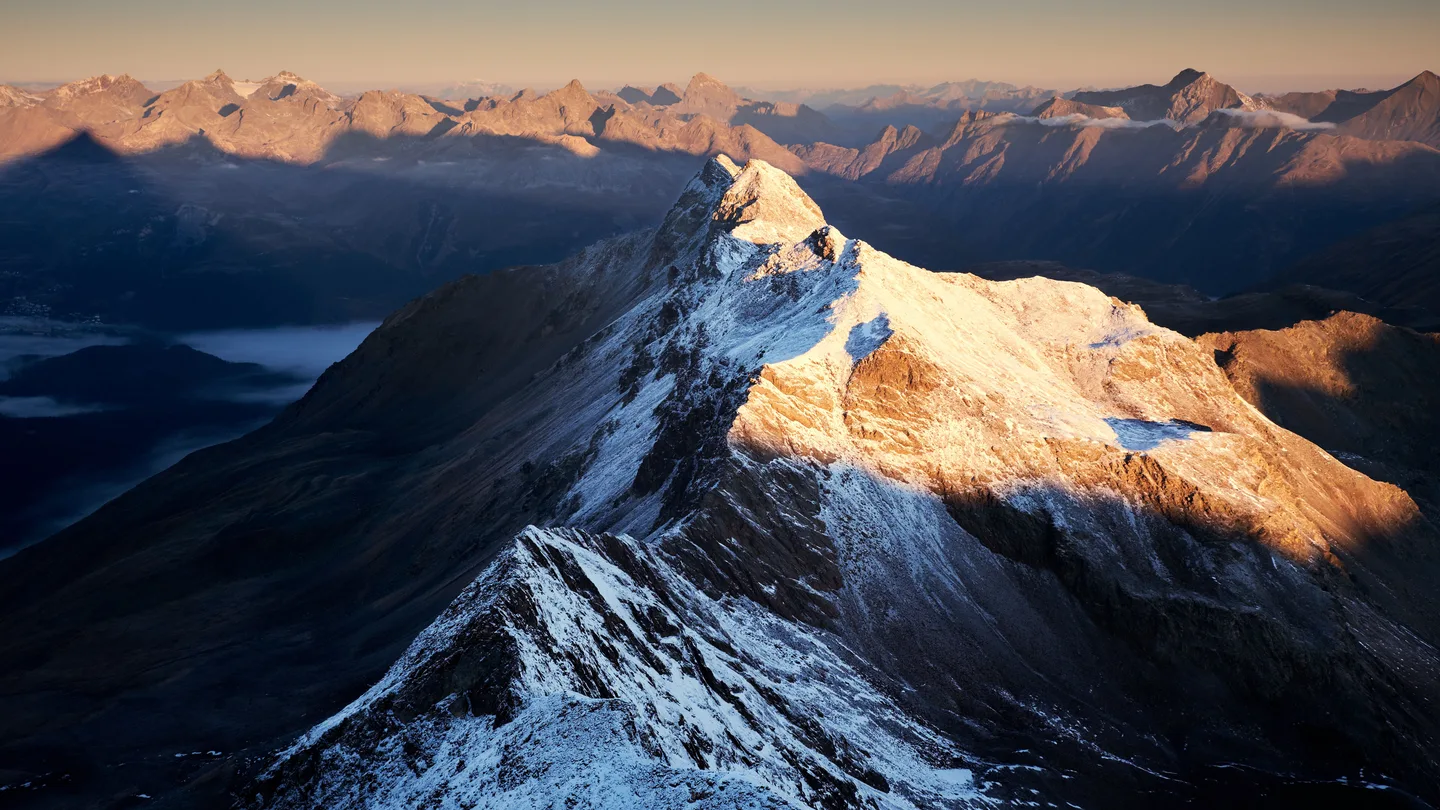
Kailash Mansarovar sits at 5,676m (18,622 ft), with the Dolma La Pass (5,630m) being the highest point of the Kora. Altitude sickness is the #1 risk, not distance or terrain.
Altitude Risks & Symptoms
Medical Preparation Checklist
✔ Pre-Travel Medical Check:
- Cardiac/respiratory assessment (if over 50 or with pre-existing conditions).
- Blood pressure & diabetes management (carry extra medication).
- Consult your doctor about Diamox (acetazolamide) for altitude prophylaxis.
✔ Essential Medications:
- Diamox (125-250mg 2x daily) – Start 2 days before ascent.
- Ibuprofen/Paracetamol – For headaches.
- Anti-nausea (ondansetron) – For severe altitude sickness.
- Antibiotic (azithromycin) – For respiratory infections.
- Electrolyte tablets – To prevent dehydration.
✔ Vaccinations (Consult WHO/CDC):
- Hepatitis A & B
- Typhoid
- Meningitis (if traveling in groups)
- Rabies (if animal exposure risk)
🚨 Critical Note: Do not hide medical history from your operator. If you have asthma, heart issues, or recent surgery, you may need a doctor’s clearance letter.
Travel Insurance: Why Standard Policies Fail
Most standard travel insurance policies exclude:
- High-altitude trekking (above 4,500m).
- Pilgrimage at altitude (Kailash is considered extreme).
- Emergency evacuation from remote areas (Darchen has no advanced medical facilities).
What to Look for in Insurance
✅ Coverage up to 6,000m (Kailash Kora reaches 5,630m). ✅ Emergency evacuation (helicopter from Darchen to Kathmandu) – Costs $5,000-$10,000+. ✅ Repatriation coverage (in case of severe illness). ✅ Trip cancellation/interruption (due to permit delays or health issues). ✅ COVID-19 coverage (some insurers still require it).
🔹 Recommended Insurers for Kailash:
- World Nomads (adventure travel coverage)
- IMG (International Medical Group) – Global Medical Plus plan
- Allianz – Travel Insurance with High-Altitude Coverage
- Tata AIG (for Indian passport holders)
🚨 Common Mistake: Assuming credit card travel insurance covers Kailash. It does not.
Fitness & Acclimatization: The Key to a Safe Yatra
Kailash is not a trek—it’s a high-altitude endurance challenge. The Kora (circumambulation) is 52km (32 miles) over 3 days, with steep ascents and descents.
Training Plan (3-6 Months Before Travel)
Acclimatization Strategy
- Spend 2-3 days in Kathmandu (1,400m) – Let your body adjust.
- Drive to Nyalam (3,750m) – Overnight stay to acclimatize.
- Proceed to Tingri (4,300m) – Another overnight to adjust.
- Darchen (4,600m) – 2 nights – Final acclimatization before Kora.
- Dolma La Pass (5,630m) – Day 3 of Kora – Descend immediately if symptoms appear.
🚨 Critical Note: Do not rush acclimatization. Many pilgrims fail because they try to "push through" altitude sickness.
Family & Senior Pilgrims: Special Considerations
If you are traveling with elderly parents or family members with mobility issues, extra planning is essential.
Senior Pilgrim Checklist
✔ Medical Clearance: Get a fitness-to-travel certificate from a doctor. ✔ Slow Route Selection: Choose the 18-day itinerary (vs. 14-day) for better acclimatization. ✔ Porter/Yak Support: Hire porters or yaks for the Kora (extra cost, but reduces strain). ✔ Wheelchair Accessibility: Not available on the Kora. If mobility is severely limited, consider helicopter Kora (expensive, but possible). ✔ Emergency Evacuation Plan: Ensure insurance covers helicopter evacuation from Darchen.
🔹 Pro Tip: Senior pilgrims should arrive in Kathmandu 5-7 days early for full acclimatization.
Common Mistakes to Avoid
-
Booking the Shortest Itinerary
- Why? Altitude sickness often forces last-minute itinerary changes.
- Solution: Opt for 16-18 days (vs. 14 days) for better acclimatization.
-
Assuming OCI = Indian Passport for Permits
- Why? OCI holders still need a Chinese Group Visa.
- Solution: Disclose all passport details upfront to your operator.
-
Underestimating Insurance
FAQ: Kailash Mansarovar from Nepal (2026)
Q: Should I book early for 2026 travel?
Yes. Demand is high, and preferred departure dates (June-September) sell out 6-8 months in advance. Early booking ensures:
- Better guide assignments.
- Preferred accommodation (guesthouses fill up fast).
- More time for permit processing.
Q: Can rules change after I book?
Yes. Visa, permit, border, weather, and airline policies can change. A good operator will explain:
- What is fixed (e.g., itinerary, guide).
- What is variable (e.g., permits, weather delays).
- What contingency plan applies (e.g., alternative routes, refund policies).
Q: Is the cheapest package the best choice?
Not usually. The best value is the package that:
- Clearly explains route, permits, and inclusions.
- Provides 24/7 support (altitude sickness can strike anytime).
- Includes proper insurance and evacuation coverage.
🔹 Red Flags in Cheap Packages:
- No mention of Tibet permits or Chinese Group Visa.
- No acclimatization stops (e.g., only 1 night in Tingri).
- No emergency evacuation plan.
Q: Can I travel solo, or do I need a group?
- Nepal Route: Group travel is mandatory (Chinese regulations require it).
- India Route: Solo travel is possible (but still requires permits).
🔹 Pro Tip: Even if traveling with family, book through a licensed operator for permit security.
Q: What if I get altitude sickness during the Kora?
- Stop immediately and descend to a lower altitude.
- Report symptoms to your guide (they carry oxygen and Diamox).
- Do not continue—turning back is not failure, but smart safety.
Q: What’s the best time to go?
🔹 Avoid: October-November (cold, but fewer pilgrims) and April (unpredictable snow).
Practical Packing List for Kailash Mansarovar
Essential Gear
✔ Clothing (Layering System):
- Base Layer: Merino wool (top & bottom).
- Mid Layer: Fleece or down jacket.
- Outer Layer: Windproof, waterproof jacket & pants.
- Thermal socks (3-4 pairs), gloves, hat, scarf.
- Sturdy hiking boots (broken-in, waterproof).
✔ High-Altitude Essentials:
- Sleeping bag (rated -10°C or lower).
- Trekking poles (collapsible).
- Headlamp (extra batteries).
- Sunglasses (UV 400, glacier-rated).
- Sunscreen (SPF 50+, lip balm with SPF).
✔ Medical & Hygiene:
- Diamox (acetazolamide) – 2 weeks supply.
- Basic first-aid kit (bandages, antiseptic, blister care).
- Wet wipes, hand sanitizer, toilet paper.
- Menstrual products (if applicable – limited availability).
✔ Documents & Money:
- Passport (6+ months validity) + copies.
- Chinese Group Visa + Tibet permits (carry physical copies).
- Travel insurance policy (digital + printed).
- Cash (NPR & CNY – ATMs are unreliable).
- Credit card (for emergencies).
✔ Miscellaneous:
- Power bank (solar charger if possible).
- Reusable water bottle (1L minimum).
- Snacks (energy bars, nuts, dry fruit).
- Small towel, earplugs (guesthouses are noisy).
🚨 What NOT to Pack:
- Expensive jewelry/watches (risk of loss/theft).
- Too many clothes (laundry is available, but basic).
- Alcohol (dehydrates, worsens altitude sickness).
Zeo Tourism CTA: Plan Your Safe & Supported Kailash Yatra
Planning a Kailash Mansarovar Yatra is not a solo endeavor—it requires expert guidance, proper permits, and robust health planning. At Zeo Tourism, we specialize in NRIs and overseas pilgrims traveling via Nepal, ensuring: ✅ Seamless permit processing (Chinese Group Visa, Tibet permits). ✅ Medically supervised itineraries (altitude acclimatization plans). ✅ Comprehensive insurance coverage (emergency evacuation included). ✅ 24/7 support (local guides, emergency contacts). ✅ Family & senior-friendly options (porter support, slower routes).
🔹 Next Steps:
- Book a consultation with our Kailash specialists.
- Share your passport details for permit pre-check.
- Choose your itinerary (14-day vs. 18-day, family-friendly options).
- Finalize insurance & medical preparations.
📞 Contact Us Today:
- Book a call with our team
- Browse Nepal tour packages
- Explore Kailash Mansarovar planning hub
- Read the full Kailash documents & permits guide
Source Notes
- Nepal welcomed over 620,000 visitors in the first half of 2026: Nepal News
- February 2026 arrivals passed 105,000: Rising Nepal
- U.S. State Department Nepal guidance (visa, safety, health, demonstrations, Tibet entry notes): U.S. State Department Nepal Travel Advisory
- 2026 restricted-area solo trekking permit changes (licensed guide/registered agency conditions): ET TravelWorld
- Kailash permit explainer (Tibet Travel Permit, Alien Travel Permit, Military Permit, Border Permit for Nepal-route Kailash travel): Tibet Tour