
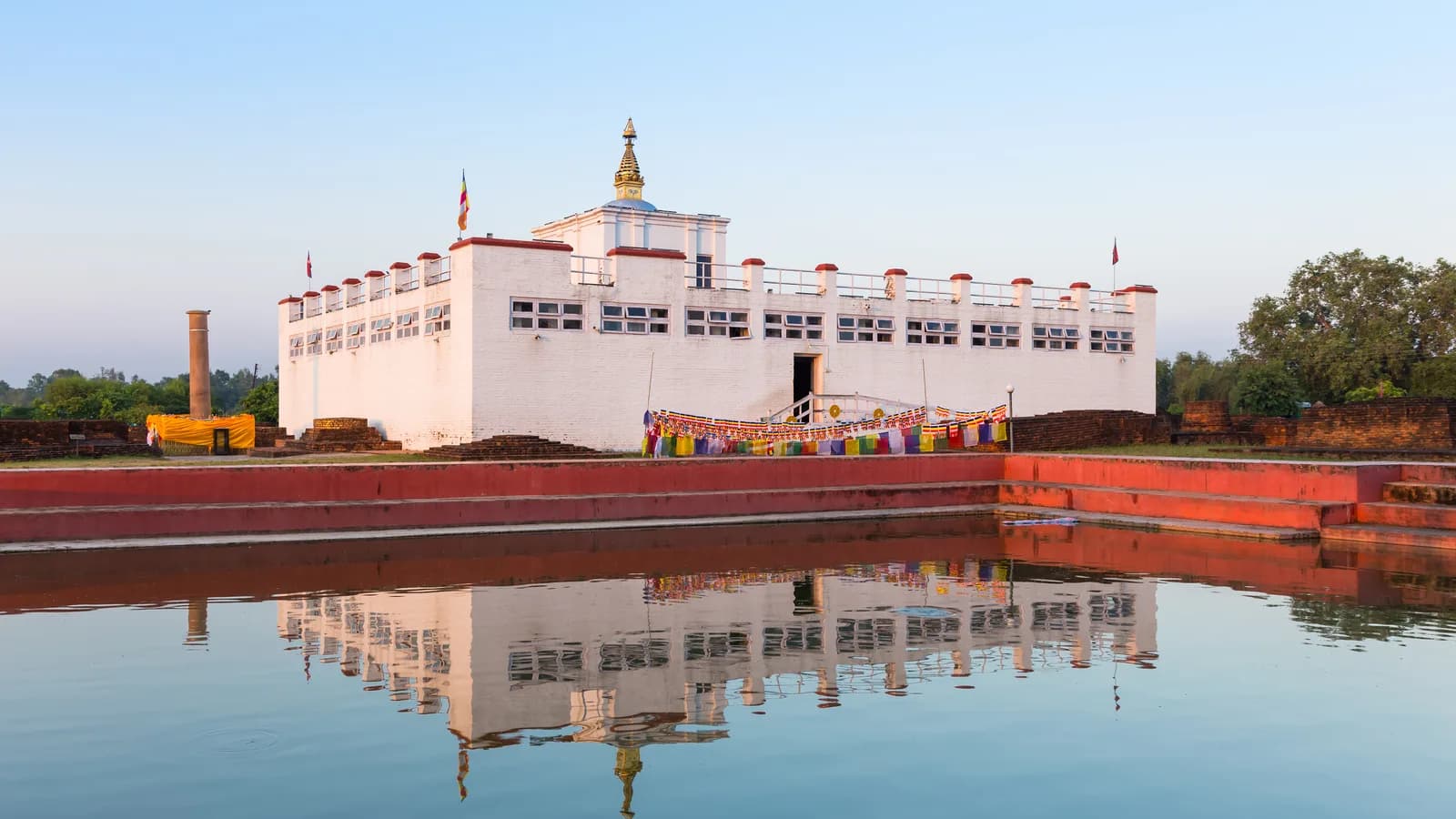
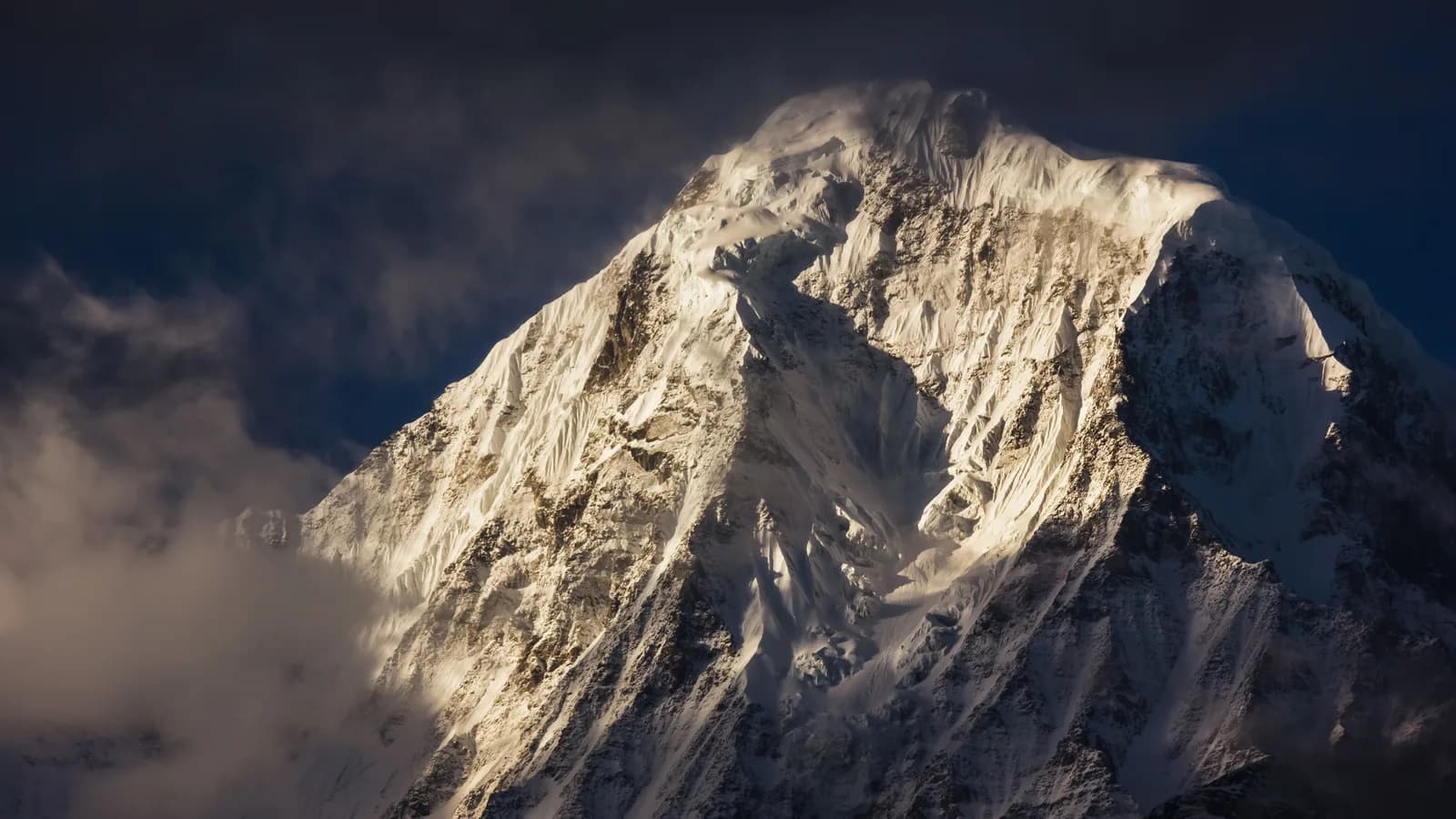
Nepal Luxury and Family Travel Trends in 2026: A Strategic Guide for Discerning Travelers
Nepal’s tourism landscape in 2026 is undergoing a meaningful transformation. While the country has long been celebrated for its trekking routes and spiritual pilgrimages, a growing segment of travelers—families, luxury seekers, senior groups, and private travelers—are redefining what a Nepal journey can look like. The focus is shifting from endurance-based itineraries to well-paced, culturally rich, and experientially deep travel that prioritizes comfort, safety, and authenticity.
This comprehensive guide is designed for travelers planning a Nepal trip in 2026. It synthesizes current tourism trends, practical logistics, safety advisories, permit requirements, and expert recommendations to help you make informed decisions. Whether you're considering a private cultural tour, a family adventure, or a luxury pilgrimage to Kailash Mansarovar, this article will serve as your strategic roadmap.
Nepal in 2026: A Tourism Landscape in Transition
Nepal’s tourism recovery and growth trajectory in 2026 reflect broader global trends in post-pandemic travel, with a strong emphasis on sustainable, high-value tourism. According to Nepal News, the country welcomed over 620,000 foreign visitors in the first half of 2026, a significant increase from previous years and indicative of renewed global interest in the Himalayas and its cultural heritage Nepal News, 2026. This surge is particularly notable during peak seasons, with February 2026 arrivals exceeding 105,000, as reported by Rising Nepal Daily Rising Nepal, 2026.
This growth is not merely quantitative—it is qualitative. Travelers are increasingly seeking meaningful, immersive experiences over rushed itineraries. The demand for private, guided, and family-friendly travel is rising, especially among luxury travelers who value discretion, comfort, and curated access. This shift is reshaping how tour operators design itineraries, with a growing emphasis on depth over breadth.
What "Luxury" Means in Nepal: Beyond the Hotel Lobby
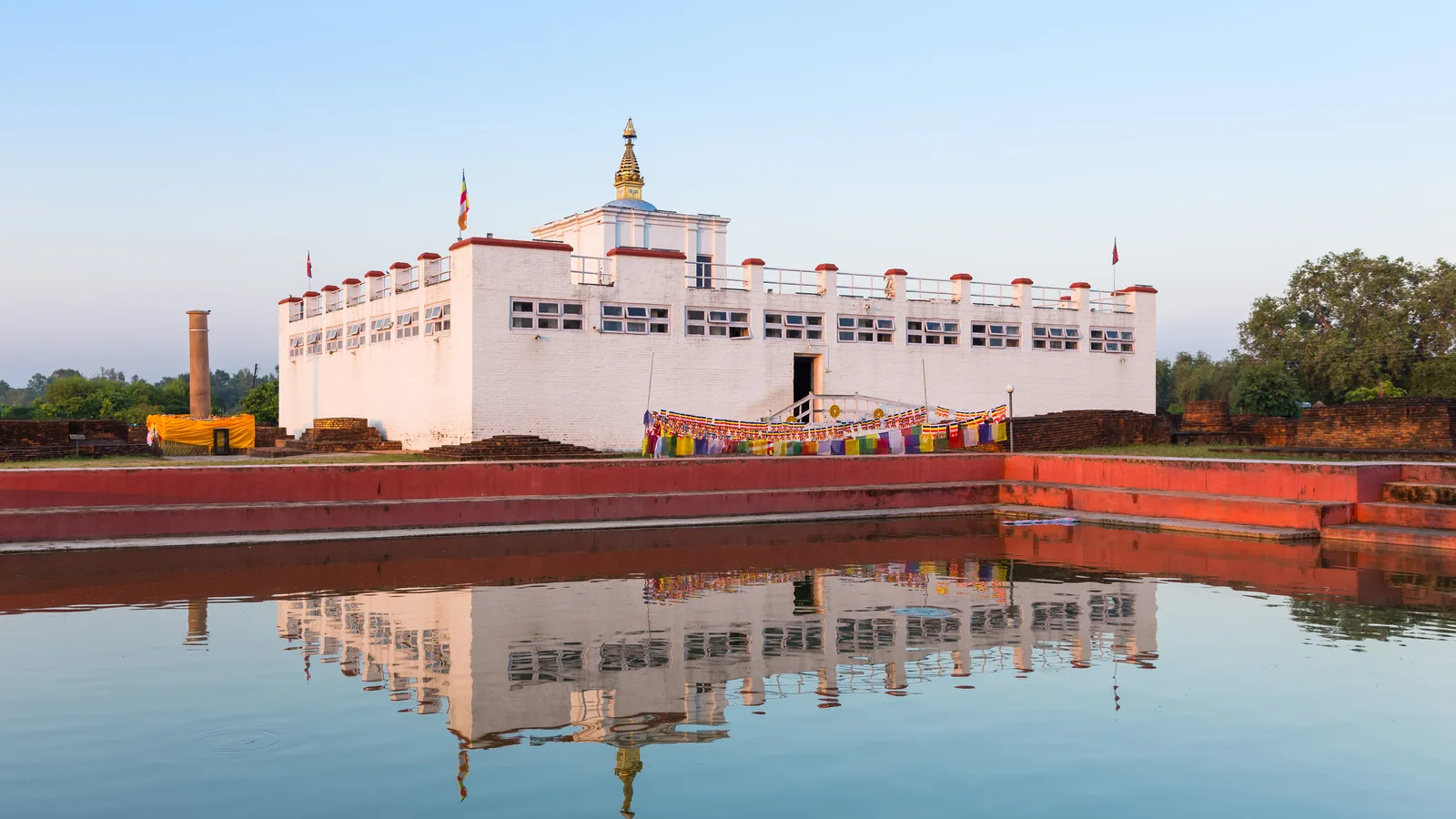
In Nepal, luxury is not synonymous with marble lobbies or five-star resorts alone. It is defined by smart logistics, trusted expertise, clean and safe transport, flexible pacing, and authentic access. In urban centers like Kathmandu and Pokhara, high-end hospitality is well-established, with boutique hotels, wellness retreats, and curated dining experiences. However, in remote regions such as Mustang, Dolpo, or the Everest region, luxury takes on a different meaning: the best available standard within the constraints of the environment.
Key Elements of a Luxury Nepal Experience:
- Trusted local partners: Guides with deep cultural knowledge, fluent English, and first-aid certification.
- Private transport: Air-conditioned vehicles with experienced drivers familiar with mountain roads.
- Flexible pacing: Avoiding long transfers in a single day; allowing time for rest and spontaneous exploration.
- Safe and diverse food options: Access to hygienic, culturally appropriate meals with dietary accommodations.
- Permit and logistical support: Full responsibility for permits, border crossings, and contingency planning handled by the operator.
- Exclusive access: Private viewpoints, cultural ceremonies, or meetings with local artisans and monks.
Tip: Ask operators for specific hotel names, standard room types, and driver credentials. Avoid vague promises like "best available"—insist on clarity.
Family Travel in Nepal: Prioritizing Comfort and Engagement
Families traveling to Nepal in 2026 are seeking engaging, low-stress, and child-friendly experiences. Long treks are not the default; instead, families are choosing itineraries that balance adventure with comfort, education, and downtime.
Ideal Family-Friendly Destinations:
Family Travel Priorities:
- Short drives: Avoid multi-day road transfers; opt for domestic flights where possible.
- Engaging guides: Look for guides trained in child-friendly storytelling and interactive learning.
- Child-friendly hotels: Family suites, play areas, and safe dining options.
- Flexible meal stops: Access to vegetarian, gluten-free, and kid-approved meals.
- Cultural immersion: Puppet shows, mask-making workshops, or visits to local schools.
Pro Tip: For families with school-age children, plan around Nepal’s academic calendar. Peak demand occurs during October–November (autumn break) and March–April (spring break).
2026 Planning Impact: Why Early Booking Matters
With tourism demand at a decade high, premium accommodations, private guides, and preferred domestic flight seats are selling earlier than ever. According to industry reports, luxury hotel blocks in Kathmandu and Pokhara are often fully reserved 4–6 months in advance during peak seasons.
Key Booking Considerations:
- Peak season (October–November, March–April): Book 6–9 months ahead for best availability.
- Shoulder season (December–February, September): More flexibility, but weather can be unpredictable.
- Monsoon (June–August): Lower prices, fewer crowds, but limited high-altitude access.
- Domestic flights: Seats on flights to Lukla, Pokhara, and Bhairahawa are limited and often sell out.
Industry Advisory: Avoid last-minute package purchases. Online deals may not include permits, insurance, or transport—critical components in Nepal travel.
Seasonality and Weather: Planning Around Nepal’s Climate
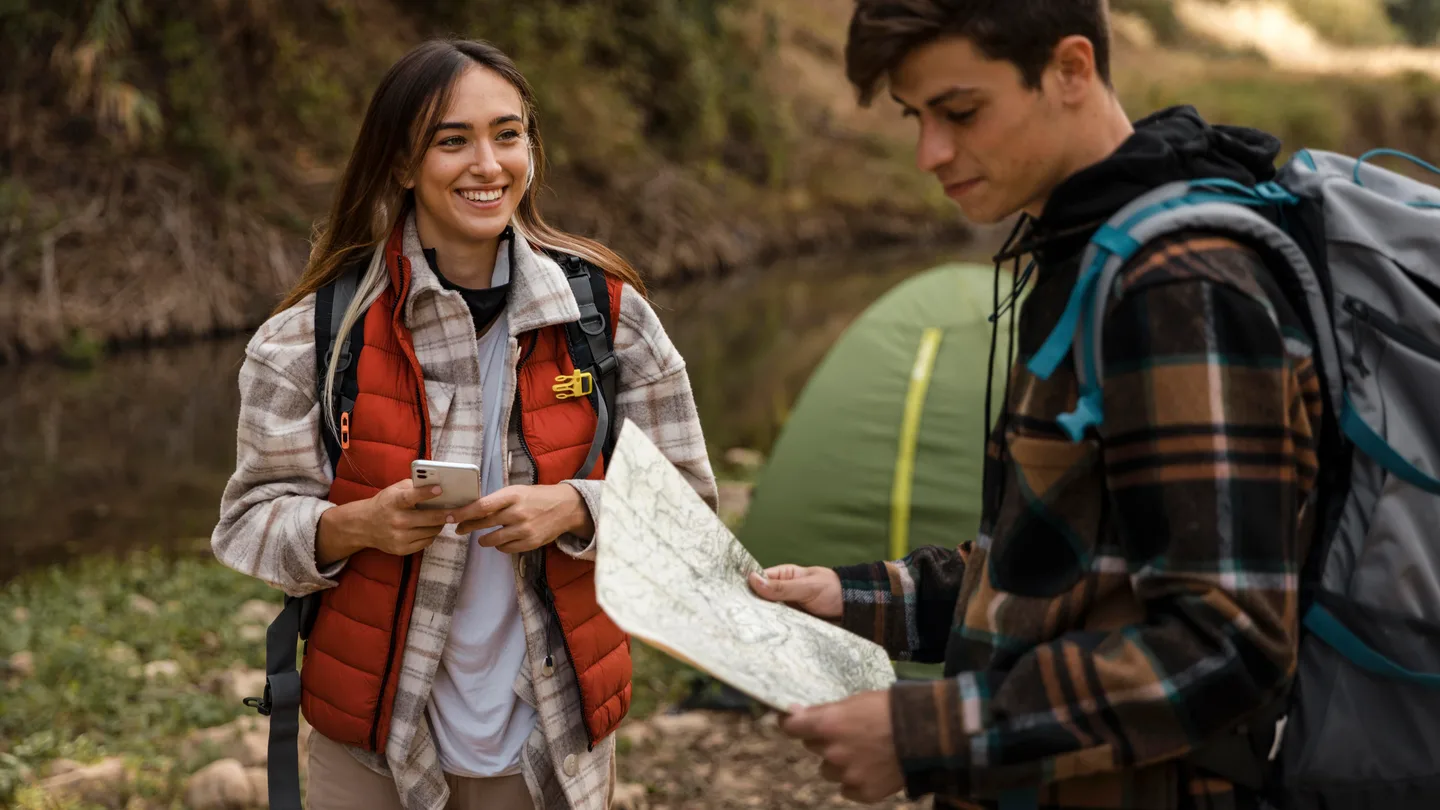
Nepal’s climate varies dramatically by region and season. Choosing the right time to travel depends on your priorities: cultural exploration, trekking, wildlife, or spiritual pilgrimage.
Nepal Seasonal Overview:
Note: Monsoon season can disrupt road travel and domestic flights. Always confirm transport schedules with your operator.
Visa, Safety, and Health: Current Advisories for 2026 Travelers
Before planning your trip, familiarize yourself with the latest travel advisories and entry requirements.
Visa Information:
- Visa on Arrival: Available for most nationalities at Tribhuvan International Airport (KTM) and land borders.
- eVisa: Recommended for faster processing; apply at least 15 days before travel.
- Visa Fees: USD 30 (15 days), USD 50 (30 days), USD 125 (90 days).
- Extension: Possible at the Department of Immigration in Kathmandu (bring passport photos and fee).
Source: U.S. State Department Nepal Travel Advisory (2026) U.S. State Department
Safety Considerations:
- Demonstrations: Avoid large gatherings; monitor local news.
- Altitude Sickness: Acclimatize properly; consider Diamox for high-altitude treks.
- Road Safety: Mountain roads can be narrow and poorly lit; hire experienced drivers.
- Health Precautions: Tap water is not safe; carry a reusable bottle with a filter.
Health and Insurance:
- Vaccinations: Recommended: Hepatitis A & B, Typhoid, Tetanus, Rabies (for trekkers).
- Travel Insurance: Must cover high-altitude trekking, medical evacuation, and trip cancellation.
- COVID-19: As of 2026, no testing or vaccination requirements are in place, but policies can change—check before travel.
Permits and Restricted Areas: Navigating Nepal’s Bureaucracy
Nepal requires permits for many trekking and cultural sites, especially in restricted areas such as Upper Mustang, Manaslu, and Dolpo. In 2026, the government has introduced changes to solo trekking permits, now requiring travelers to be accompanied by a licensed guide or registered trekking agency.
Key Permit Types:
- Trekking Permit: Required for most trekking regions; issued by the Nepal Tourism Board or Trekking Agencies’ Association of Nepal (TAAN).
- Restricted Area Permit: Needed for Mustang, Dolpo, Kanchenjunga, and others; requires a registered agency and guide.
- National Park Entry: Required for Sagarmatha (Everest), Langtang, Chitwan, etc.
Source: ET TravelWorld (2026) ET TravelWorld
Practical Permit Tips:
- Your tour operator should handle all permit applications and fees.
- Keep digital and physical copies of permits; police checkpoints are common.
- Some permits require passport photos and photocopies.
Kailash Mansarovar Yatra: A Special Case in 2026
The Kailash Mansarovar Yatra remains one of the most sought-after spiritual journeys in the world. Traveling from Nepal involves crossing into Tibet (China), which requires additional permits and careful planning.
Required Permits for Nepal-Route Kailash:
Source: Tibet Tour (2026) Tibet Tour
Kailash Yatra Planning Essentials:
- Duration: 14–16 days (including acclimatization).
- Best Time: May–September (avoid monsoon and winter).
- Physical Demand: Moderate to challenging; altitude peaks at 5,630m (Drolma La Pass).
- Group Size: Typically 10–15 people; private groups can be arranged.
- Inclusions: All permits, meals, accommodation (mostly tents), guide, and transport.
Note: The Nepal-China border at Rasuwagadhi is the primary entry point. Flights to Kathmandu are essential; overland travel from India is not recommended due to permit complexity.
Choosing the Right Package: What to Look For
Not all Nepal travel packages are created equal. The best value comes from transparency, expertise, and support—not just the lowest price.
What a Quality Nepal Package Should Include:
✅ Clear itinerary with daily pacing ✅ Licensed guide with first-aid certification ✅ All permits and entry fees ✅ Domestic flights or private transport with experienced drivers ✅ Accommodation at named hotels or standards ✅ Meals (specify vegetarian/vegan options) ✅ Emergency support and evacuation plan ✅ Cancellation and refund policy ✅ 24/7 local contact for support
Red Flags to Avoid:
❌ Vague descriptions like “best available hotel” or “local transport” ❌ No mention of permits or permit fees ❌ No guide credentials or emergency plan ❌ Prices that seem too good to be true (they usually are)
Tip: Request a sample day itinerary and ask how the operator handles delays due to weather or strikes.
Practical Checklist for Nepal Travel in 2026
Use this checklist to ensure you’re fully prepared before departure:
6–9 Months Before Travel:
- Decide on travel dates and season
- Research and shortlist tour operators
- Confirm availability for preferred hotels and guides
- Check visa and permit requirements
- Purchase comprehensive travel insurance
3–6 Months Before Travel:
- Book international flights
- Confirm domestic flight or road transport
- Finalize itinerary with operator
- Arrange vaccinations and health checks
- Purchase gear (down jacket, trekking poles, etc.)
1–2 Months Before Travel:
- Apply for eVisa or visa on arrival
- Confirm permit applications with operator
- Pack appropriate clothing and gear
- Download offline maps (Google Maps, Maps.me)
- Share itinerary and emergency contacts with family
1 Week Before Travel:
- Confirm all bookings (flights, hotels, guides)
- Print copies of permits, insurance, passport
- Pack medications and first-aid kit
- Set up international roaming or local SIM
- Check weather and road conditions
Day of Travel:
- Arrive at airport with buffer time
- Keep digital and physical copies of documents
- Confirm transport pickup
- Stay hydrated and pace yourself
Common Mistakes to Avoid in Nepal Travel Planning
Even experienced travelers can make costly errors in Nepal. Here are the most frequent pitfalls and how to avoid them:
❌ Mistake 1: Trying to Do Too Much
Why it fails: Long road transfers (e.g., Kathmandu to Pokhara to Chitwan to Nagarkot) leave little time for rest or enjoyment. Weather delays, landslides, and altitude can turn a packed itinerary into exhaustion. Fix: Choose 2–3 destinations max and allow buffer days. Focus on depth, not checklist completion.
❌ Mistake 2: Assuming Online Prices Are Final
Why it fails: Many “all-inclusive” packages exclude permits, insurance, or transport. Hidden fees for guide upgrades or single supplements can double the cost. Fix: Ask for a detailed cost breakdown and compare inclusions across operators.
❌ Mistake 3: Ignoring Altitude and Acclimatization
Why it fails: Rapid ascent to high altitudes (e.g., Everest Base Camp, Kailash) increases risk of Acute Mountain Sickness (AMS). Fix: Plan acclimatization days; consider medication like Diamox; descend if symptoms appear.
❌ Mistake 4: Skimping on Insurance
Why it fails: Medical evacuation from remote areas can cost $10,000+. Most standard travel insurance doesn’t cover high-altitude trekking. Fix: Purchase specialized trekking insurance that covers evacuation and altitude up to 6,000m.
❌ Mistake 5: Not Confirming Transport in Advance
Why it fails: Domestic flights to Lukla or Pokhara are frequently delayed or canceled due to weather. Overland travel is slower and riskier in monsoon. Fix: Book flexible tickets or arrange private transfers with contingency plans.
FAQ: Your Top Nepal Travel Questions Answered
Q: Should I book early for 2026 travel?
A: Yes. With arrivals exceeding 620,000 in the first half of 2026, demand for quality operators, premium rooms, and preferred travel dates is high. Booking 6–9 months ahead ensures better availability and pricing.
Q: Can rules change after I book my trip?
A: Absolutely. Visa policies, permit requirements, border regulations, and even airline schedules can change with little notice. A reputable operator should explain which elements are fixed, which are variable, and what contingency plans are in place.
Q: Is the cheapest package the best choice?
A: Not usually. In Nepal and Kailash travel, the best value comes from clarity and support, not the lowest price. Cheap packages often exclude permits, insurance, or transport, leading to unexpected costs. Focus on what’s included, not just the total cost.
Q: Do I need a guide for all of Nepal?
A: Not for every region. In cities like Kathmandu and Pokhara, self-guided travel is feasible. However, for restricted areas (Mustang, Dolpo, Manaslu) and trekking routes, a licensed guide is mandatory. For Kailash Mansarovar, a guide and registered agency are required.
Q: What’s the best way to handle money in Nepal?
A: Carry Nepalese Rupees (NPR) for small purchases. ATMs are widely available in cities, but carry cash for rural areas. Credit cards are accepted in upscale hotels and restaurants, but not in markets or trekking lodges. Inform your bank of travel plans to avoid card blocks.
Q: Is Nepal safe for solo female travelers?
A: Yes, with standard precautions. Nepal is generally safe, but solo travelers should avoid walking alone at night in isolated areas, dress modestly in rural regions, and stay in reputable accommodations. Many women travel solo or in small groups with confidence.
Ready to Plan Your Nepal Journey?
Nepal in 2026 offers unparalleled opportunities for luxury travelers, families, and spiritual seekers—but only if you plan with intention, expertise, and flexibility. Whether you're drawn to the cultural richness of Kathmandu, the serene beauty of Pokhara, the wildlife of Chitwan, or the sacred path of Kailash Mansarovar, the key to a transformative experience lies in curated depth over rushed breadth.
At Zeo Tourism, we specialize in private, family-friendly, and luxury Nepal journeys designed around your pace, interests, and comfort. Our team handles every detail—from permits and transport to cultural access and emergency support—so you can focus on the experience.
👉 Browse our Nepal tour packages 👉 Plan your Kailash Mansarovar Yatra 👉 Read our Kailash permit and document guide 👉 Get personalized route advice from our experts
Source Notes
- Nepal News: Nepal sees surge in foreign tourist arrivals, welcomes over 620,000 visitors in first half of 2026. https://english.nepalnews.com/s/travel-tourism/nepal-sees-surge-in-foreign-tourist-arrivals-welcomes-over-620000-visitors-in-first-half-of-2026/
- Rising Nepal Daily: Nepal welcomes over 105,000 foreign tourists in February 2026. https://risingnepaldaily.com/news/76471
- U.S. State Department: Nepal Travel Advisory. https://travel.state.gov/en/international-travel/travel-advisories/nepal.html
- ET TravelWorld: Nepal permits solo trekkers in restricted areas to boost tourism (2026). https://travel.economictimes.indiatimes.com/news/destination/global/nepal-permits-solo-trekkers-in-restricted-areas-to-boost-tourism/129772072
- Tibet Tour: What permits and documents are required for the Mount Kailash Manasarovar Yatra from Nepal (2026). https://www.tibettour.travel/blog/2026/06/03/what-permits-and-documents-are-required-for-the-mount-kailash-manasarovar-yatra-from-nepal/