
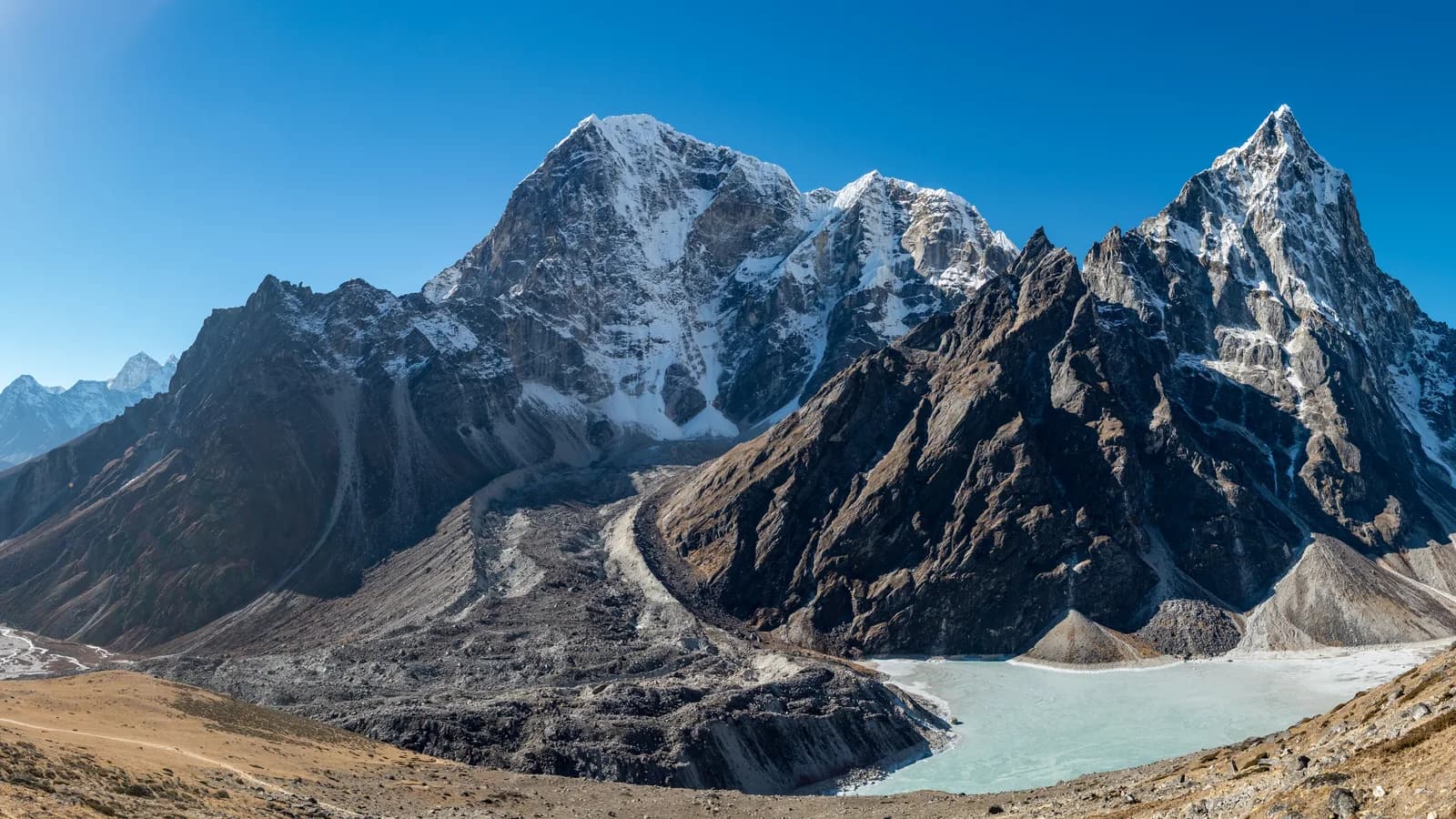
Nepal Monsoon Travel 2026: Best Routes, Risks and Smart Alternatives
Nepal’s monsoon season—typically spanning June through September—is often dismissed by travelers seeking clear skies and unobstructed mountain views. Yet this period offers distinct advantages: lush, emerald landscapes, dramatically fewer crowds, and a deeper immersion in local culture and spirituality. The key to a successful monsoon trip lies not in avoiding the season, but in selecting the right routes, building flexibility into the itinerary, and aligning expectations with reality.
This comprehensive guide is designed for travelers researching Nepal in 2026. It combines current tourism trends, practical planning advice, and expert insights to help you decide whether to travel during the monsoon—and if so, how to do it safely and meaningfully.
Understanding Nepal’s Monsoon: What Changes and Why It Matters
The South Asian monsoon brings warm, moist air from the Indian Ocean, resulting in heavy rainfall across much of Nepal, especially in the hills and mountains. While Kathmandu and Pokhara receive substantial rain, the northern Himalayan regions lie in the rain shadow of the Annapurna and Dhaulagiri ranges, receiving significantly less precipitation.
Key Monsoon Impacts on Travel
Note: While monsoon rains can disrupt travel, they also bring life to Nepal’s landscapes. The rice terraces of the Kathmandu Valley turn golden-green, and waterfalls are at their most spectacular.
Best Routes for Monsoon Travel in 2026
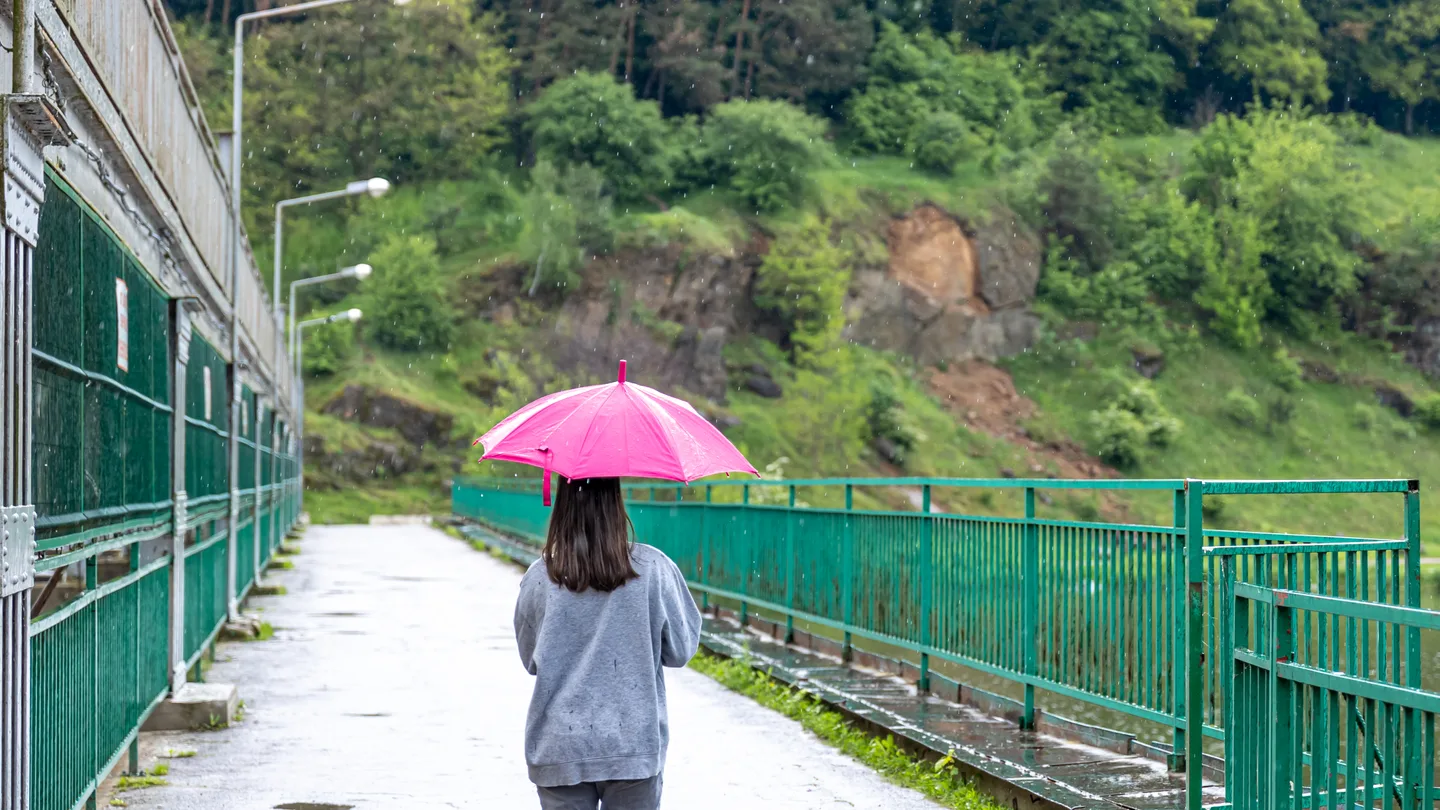
Monsoon travel in Nepal is not about avoiding rain entirely—it’s about choosing destinations and activities where rain enhances the experience rather than disrupts it. Below are the most resilient and rewarding routes for 2026.
1. Kathmandu Valley: Heritage, Culture, and Urban Exploration
The Kathmandu Valley is one of the safest and most rewarding monsoon destinations in Nepal. With over 1,300 temples and 500 monasteries, it offers unparalleled cultural depth.
Recommended Itinerary:
- Day 1–2: Kathmandu
- Swayambhunath (Monkey Temple)
- Pashupatinath Temple
- Boudhanath Stupa
- Patan Durbar Square
- Bhaktapur Durbar Square
- Local cooking class (e.g., momo-making, Newari cuisine)
- Day 3: Nagarkot or Dhulikhel
- Short hill station stay with views of the Himalayas (often obscured by clouds, but peaceful)
- Sunrise or sunset viewing
- Day 4: Bhaktapur and local pottery workshops
Why It Works:
- Minimal altitude gain reduces weather-related risks
- Indoor cultural activities (museums, workshops) are unaffected by rain
- Excellent road infrastructure and frequent transport options
- High density of quality hotels and restaurants
Pro Tip: Visit during festivals like Janai Purnima (July/August) or Gai Jatra (August) for vibrant cultural immersion.
2. Pokhara: Lakeside Relaxation and Adventure
Pokhara, set against the Annapurna range, is a monsoon haven. While the mountains may be hidden, the city offers a mix of relaxation, adventure, and spiritual sites.
Recommended Itinerary:
- Day 1–2: Lakeside Pokhara
- Boating on Phewa Lake
- Davis Falls and Gupteswar Cave
- World Peace Pagoda via cable car or hike
- Paragliding (weather-dependent, but often flyable in early morning)
- Day 3: Sarangkot Sunrise
- Early morning paragliding or hot air balloon ride (best visibility)
- Day 4: Annapurna Base Camp Viewpoint or Begnas Lake
Why It Works:
- Phewa Lake and surrounding hills are less affected by rain
- Indoor activities (yoga, meditation, cooking classes) thrive
- Short, scenic hikes (e.g., to World Peace Pagoda) are manageable with proper footwear
- Excellent connectivity to Kathmandu via flight or tourist bus
Note: Paragliding in Pokhara operates year-round, with morning flights often possible even during monsoon.
3. Chitwan and Bardia National Parks: Wildlife in the Rain
Monsoon transforms Nepal’s national parks into lush, vibrant ecosystems. While wildlife sightings can be unpredictable, the scenery is breathtaking.
Recommended Itinerary:
- Day 1–2: Chitwan National Park
- Jeep safari in grasslands and riverine forests
- Canoe ride on the Rapti River
- Tharu cultural dance performance
- Birdwatching (over 500 species)
- Day 3–4: Bardia National Park (less crowded, more remote)
- Jungle walk with local guides
- River rafting on the Karnali (seasonal)
- Visit to the Tharu villages
Why It Works:
- Wildlife is active during monsoon, especially near water sources
- Fewer tourists mean more authentic interactions
- Resorts offer excellent indoor amenities (spas, libraries, indoor dining)
Caution: Some trails may be muddy or flooded. Confirm accessibility with your operator before booking.
4. Rain-Shadow Regions: Mustang, Dolpo, and Upper Manaslu
For trekkers unwilling to compromise on mountain views, the rain-shadow regions of Nepal offer dry, arid landscapes with Himalayan grandeur.
Recommended Treks:
- Upper Mustang (14–18 days)
- Dry, desert-like terrain with Tibetan culture
- Permits required (Restricted Area Permit)
- Best from June to September
- Dolpo (21+ days)
- Remote, high-altitude trek with Shey Phoksundo Lake
- Requires multiple permits and a registered guide
- Upper Manaslu (14–17 days)
- Less crowded than Annapurna, stunning views of Manaslu and Himalchuli
- Requires Restricted Area Permit and TIMS
Why It Works:
- Minimal rainfall due to Himalayan rain shadow
- Clear mountain views
- Rich cultural experiences with Tibetan-influenced communities
Permit Note: All restricted-area treks require a licensed guide and registered trekking agency. Solo trekking is not permitted in these regions as of 2026.
5. Wellness and Retreat Travel: Yoga, Ayurveda, and Meditation
Nepal has emerged as a global wellness destination, with monsoon offering a peaceful, introspective environment.
Recommended Retreats:
- Kopan Monastery (Kathmandu) – Meditation and Buddhist philosophy
- Lumbini (Buddha’s birthplace) – Silent meditation retreats
- Pokhara – Yoga and Ayurveda centers (e.g., Himalayan Yoga Valley)
- Nagarkot – Retreats with Himalayan views (weather permitting)
Why It Works:
- Indoor-focused activities are unaffected by rain
- Monsoon aligns with traditional retreat seasons
- Lower costs and better availability than peak season
Risks and Realities: What to Watch in 2026
While monsoon travel is feasible, it requires careful risk assessment. Below are the most common challenges and how to mitigate them.
1. Landslides and Road Closures
- Risk Areas: Prithvi Highway (Kathmandu to Pokhara), BP Highway, Arniko Highway (to Tibet)
- Mitigation:
- Use alternative routes (e.g., Nagdhunga Tunnel bypass)
- Travel during daylight hours
- Confirm road conditions 24–48 hours in advance via local operators or apps like Hamro Patro
- Consider private jeep or helicopter transfers for critical segments
2. Flight Delays and Cancellations
- Risk: Domestic airlines (Yeti, Buddha, Shree) face frequent delays due to low visibility and turbulence
- Mitigation:
- Book morning flights (6–9 AM)
- Add at least one buffer day before international departure
- Monitor flight status via airline apps or Flightradar24
- Consider helicopter transfers for urgent travel (e.g., medical evacuation)
3. Health and Hygiene
- Risks: Increased mosquito activity (dengue risk), waterborne illnesses, leeches
- Mitigation:
- Use DEET-based repellents and wear long sleeves/pants
- Drink only bottled or boiled water
- Carry leech socks and salt for leech removal
- Pack a basic medical kit (antidiarrheal, antihistamines, rehydration salts)
4. Permit and Border Issues
- [Kailash Mansarovar Yatra](/kailash-mansarovar) (via Nepal):
- Requires Chinese visa/entry documentation plus route-specific Tibet and Nepal-side permits; exact documents vary by nationality and itinerary
- Permit and visa processing windows vary; confirm current submission timing for your nationality and route before travel
- Solo travelers must book through a registered agency with licensed guides
- Border crossings (e.g., Rasuwagadhi to Tatopani) may close due to landslides or political unrest
Source: For a detailed breakdown of Kailash permits and documents, see Kailash Mansarovar Yatra: Documents and Permits Guide.
Visa, Safety, and Entry Requirements for 2026
Nepal’s entry policies remain favorable for most travelers, but it’s essential to verify current requirements before booking.
Visa on Arrival (VoA)
- Eligibility: Citizens of most countries (excluding Afghanistan, Iraq, Pakistan, Somalia, etc.)
- Cost: $30 (15 days), $50 (30 days), $125 (90 days)
- Requirements:
- Valid passport (6+ months validity)
- Passport-sized photo
- Proof of accommodation (hotel booking or invitation letter)
- Return ticket (may be requested)
- Note: Some airlines require VoA approval before boarding. Check with your carrier.
Safety and Health Advisories
-
U.S. State Department Advisory (as of 2026):
- Exercise increased caution due to crime and civil unrest
- Avoid demonstrations and large gatherings
- Monitor local news for updates on strikes or roadblocks
- Be cautious in border areas (especially with China/Tibet)
-
Health:
- Yellow fever vaccination required if arriving from endemic countries
- Consider typhoid, hepatitis A/B, and Japanese encephalitis vaccines
- Altitude sickness precautions for treks above 3,000m
Source: For the latest U.S. travel advisory, visit travel.state.gov/en/international-travel/travel-advisories/nepal.html.
Package Selection: What to Look For in 2026
Choosing the right tour package is critical, especially during monsoon when flexibility and support matter most. Avoid basing your decision solely on price.
Red Flags in Nepal Tour Packages
- Vague Itineraries: Avoid packages that don’t specify hotel names, transport types, or permit inclusions
- No Buffer Days: Monsoon travel requires extra time for delays
- Unlicensed Guides: Ensure guides are registered with the Nepal Tourism Board (NTB)
- No Cancellation Policy: Look for packages with clear refund terms for weather-related disruptions
- Hidden Costs: Check for extra charges on permits, park fees, or emergency evacuations
What to Ask Your Operator
Pro Tip: Request a sample itinerary with daily activities, transport details, and emergency contacts before booking.
Seasonality and 2026 Tourism Trends
Nepal’s tourism recovery has been strong in 2026, with foreign arrivals surpassing pre-pandemic levels.
Key 2026 Tourism Insights
- First Half 2026: Nepal welcomed over 620,000 foreign tourists in the first six months, according to Nepal News
- February 2026: Arrivals exceeded 105,000, marking a 20% increase from 2025 (Rising Nepal)
- Trends:
- Strong demand for cultural and wellness travel
- Growth in restricted-area treks (Mustang, Dolpo) due to relaxed solo-traveler rules
- Increased interest in Kailash Mansarovar Yatra from Nepal route
Peak vs. Off-Peak Travel
Practical Planning Checklist for Monsoon Nepal 2026
Use this checklist to ensure your trip is well-prepared and resilient to monsoon challenges.
Pre-Trip Planning
- Choose the right season and route – Match your interests with monsoon-friendly destinations
- Book flights early – Morning domestic flights have better on-time performance
- Confirm hotel locations – Prioritize central, accessible properties
- Purchase comprehensive travel insurance – Cover medical evacuation, trip delays, and cancellations
- Check visa requirements – Apply for e-Visa or VoA in advance if needed
- Download offline maps – Use apps like Google Maps or Maps.me for navigation
- Pack appropriate gear –
- Waterproof backpack cover
- Quick-dry clothing
- Waterproof hiking boots
- Leech socks and salt
- Umbrella and rain jacket
- Headlamp (for power cuts)
During the Trip
- Monitor weather and road conditions daily – Use local news, operator updates, or apps like Hamro Patro
- Keep digital and physical copies of documents – Passport, visa, insurance, permits
- Stay flexible – Be prepared to adjust itineraries based on weather
- Use licensed guides and registered agencies – Especially for restricted-area treks
- Carry cash (Nepalese Rupees) – ATMs may be unreliable in remote areas
- Stay hydrated and eat well – Monsoon can sap energy; prioritize balanced meals
Post-Trip
- Leave reviews for operators and guides – Help future travelers make informed choices
- Share feedback with your agency – Improve service quality for others
- Plan your next trip – Nepal rewards repeat visitors with new discoveries
Common Mistakes to Avoid in Monsoon Nepal
Even experienced travelers can underestimate monsoon challenges. Avoid these pitfalls:
1. Overpacking the Itinerary
Mistake: Trying to visit Kathmandu, Pokhara, Chitwan, and trek to Everest Base Camp in two weeks. Reality: Landslides on the Lukla route, flight delays, and altitude sickness make this nearly impossible. Fix: Focus on 1–2 regions. For example:
- Kathmandu Valley + Chitwan
- Pokhara + Annapurna Viewpoint Trek
- Upper Mustang + Lumbini
2. Ignoring Permit Requirements
Mistake: Assuming all treks are open to solo travelers or that permits are easy to obtain. Reality: Restricted areas (Mustang, Dolpo, Manaslu) require licensed guides and registered agencies. Permits for Kailash take months to process. Fix: Research permit rules early and book through a reputable operator.
3. Underestimating Transport Risks
Mistake: Booking tight connections between Kathmandu and Pokhara via tourist bus during monsoon. Reality: Landslides can delay buses by 6–12 hours, causing missed flights or connections. Fix: Use private jeeps or flights with buffer time. Consider the Nagdhunga Tunnel route to avoid landslide-prone sections.
4. Skimping on Insurance
Mistake: Buying basic travel insurance that doesn’t cover helicopter evacuation or trip delays. Reality: Monsoon increases the risk of medical emergencies and transport disruptions. Fix: Purchase a comprehensive policy with:
- Medical evacuation coverage (up to $100,000)
- Trip delay/interruption coverage
- Adventure sports coverage (if trekking above 4,000m)
5. Chasing Unrealistic Expectations
Mistake: Expecting clear Himalayan views during monsoon. Fix: Prioritize cultural, spiritual, or wellness experiences. Accept that mountain views may be obscured—and enjoy the lush landscapes instead.
FAQ: Monsoon Nepal Travel in 2026
Should I book early for 2026 travel?
Yes. Demand for Nepal travel in 2026 is strong, with arrivals already exceeding 620,000 in the first half of the year. Booking early ensures:
- Better availability of guides and porters
- Preferred hotel rooms (especially in Kathmandu and Pokhara)
- Guaranteed permits for restricted-area treks
- Lower prices (early bookings often come with discounts)
Tip: For Kailash Mansarovar, confirm current visa and permit processing windows with the operating agency before committing to non-refundable travel arrangements.
Can rules change after I book?
Absolutely. Nepal’s tourism policies, permit requirements, and border regulations are subject to change due to:
- Political developments
- Natural disasters (landslides, floods)
- Health advisories
- Diplomatic relations (e.g., with China/Tibet)
A good operator should:
- Explain which elements of your trip are fixed (e.g., hotel bookings)
- Clarify which are variable (e.g., flight schedules, permit processing times)
- Provide a contingency plan for disruptions
Always ask: “What happens if my flight is canceled due to weather?”
Is the cheapest package the best choice?
Not usually. In Nepal and Kailash travel, the best value comes from:
- Transparency – Clear breakdown of inclusions, exclusions, and costs
- Support – 24/7 assistance and local presence
- Safety – Licensed guides, registered agencies, and proper permits
- Flexibility – Buffer days and alternative plans
Red Flag: Packages that promise “everything included” for an unusually low price often omit critical costs like permits, park fees, or emergency evacuations.
Are there any festivals I should plan around?
Yes! Monsoon is rich with cultural festivals:
- Janai Purnima (July/August) – Sacred thread festival with rituals at Pashupatinath
- Gai Jatra (August) – A vibrant procession in Kathmandu honoring the dead
- Ropain (June/July) – Rice-planting festival in rural areas
- Teej (July/August) – Women’s festival with fasting and dancing
These events offer unique photo opportunities and cultural immersion but may affect transport and hotel availability.
Can I trek solo during monsoon?
No. As of 2026, solo trekking in restricted areas (Mustang, Dolpo, Manaslu) is not permitted. You must:
- Book through a registered trekking agency
- Hire a licensed guide
- Obtain the necessary permits (Restricted Area Permit, TIMS)
For non-restricted areas (e.g., Annapurna Base Camp, Langtang), solo trekking is allowed but not recommended due to weather risks.
Smart Alternatives: When Monsoon Isn’t the Right Choice
While monsoon offers unique advantages, it’s not ideal for every traveler. Consider these alternatives:
1. If You Want Clear Mountain Views
- Best Time: October–November (autumn)
- Routes: Everest Base Camp, Annapurna Circuit, Langtang Valley
- Why: Stable weather, low precipitation, and excellent visibility
2. If You’re on a Tight Budget
- Best Time: December–February (winter)
- Routes: Kathmandu Valley, Pokhara, Chitwan
- Why: Lower prices, fewer tourists, and mild weather
3. If You’re Planning a Major Trek
- Best Time: March–May (spring) or September–November (autumn)
- Routes: Everest, Annapurna, Manaslu
- Why: Stable trails, clear skies, and optimal trekking conditions
4. If You’re Interested in Kailash Mansarovar
- Best Time: May–June or September–October
- Why: Border crossings are more reliable, and permits are easier to process
Note: Kailash permits for the Nepal route are typically available from April to October. Plan accordingly.
Zeo Tourism: Your Partner for Monsoon Nepal Travel
At Zeo Tourism, we specialize in resilient, culturally rich, and safe travel experiences—especially during Nepal’s monsoon season. Our team understands the unique challenges of traveling in June–September and designs itineraries that prioritize flexibility, safety, and authenticity.
Why Choose Zeo Tourism?
✅ Expert Route Planning – We match your interests with the best monsoon-friendly destinations ✅ Permit and Document Support – We handle all permits, visas, and border logistics ✅ 24/7 Local Support – Our team is available throughout your trip for emergencies or changes ✅ Transparent Pricing – No hidden costs; clear breakdown of inclusions and exclusions ✅ Sustainable and Ethical – We work with local guides, porters, and communities
How We Can Help You
- Custom Nepal Itineraries – Tailored to your pace, interests, and travel style
- Kailash Mansarovar Packages – End-to-end support from permits to border crossings
- Wellness and Retreat Travel – Yoga, meditation, and Ayurveda experiences
- Emergency Evacuation Plans – Helicopter support and medical coordination
Ready to plan your 2026 monsoon adventure? Contact Zeo Tourism today for a personalized consultation.
Source Notes
- Nepal welcomed over 620,000 foreign tourists in the first half of 2026: Nepal News
- February 2026 arrivals passed 105,000: Rising Nepal
- U.S. State Department Nepal travel advisory: travel.state.gov
- Nepal permits solo trekkers in restricted areas with licensed guide/registered agency conditions: ET TravelWorld
- Kailash permit explainer (Tibet Travel Permit, Alien Travel Permit, Military Permit, Border Permit for Nepal-route Kailash): Tibet Tour