
Is Nepal Safe to Visit in 2026? A Practical Travel Update for 2026 Arrivals
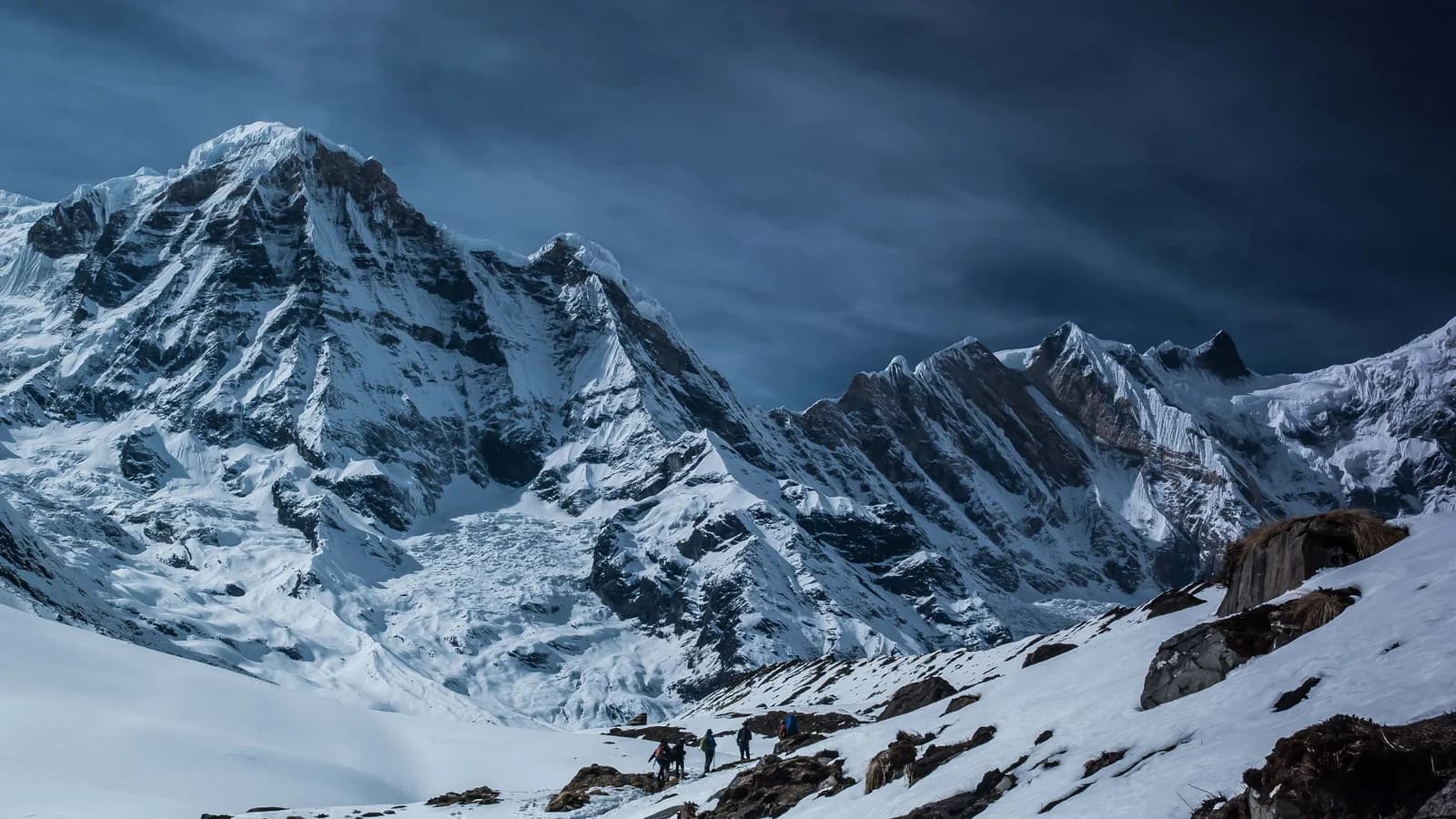
Nepal remains one of the world’s most compelling destinations in 2026, offering dramatic Himalayan landscapes, rich cultural heritage, and spiritual pilgrimage routes. Yet, as with any high-altitude, monsoon-prone, and geopolitically situated country, safety and planning require more than casual attention. Recent tourism data and travel advisories confirm that while Nepal is open and welcoming, visitors must approach travel with informed caution, realistic expectations, and robust contingency planning.
This in-depth guide is designed for travelers researching Nepal in 2026—whether planning a pilgrimage to Kailash-Mansarovar, a cultural tour of Kathmandu and Pokhara, or a trek in the Annapurna or Everest regions. It covers current tourism trends, visa and permit requirements, seasonal weather patterns, health and evacuation planning, safety advisories, and practical advice on selecting reputable tour operators. The goal is to help you travel with confidence, clarity, and care.
Nepal in 2026: Tourism Trends and Traveler Confidence
Nepal’s tourism recovery has accelerated in 2026, reflecting strong global demand and improved infrastructure. According to Nepal News, the country welcomed over 620,000 foreign visitors in the first half of 2026, a significant increase from previous years. Rising Nepal reported that February 2026 alone saw over 105,000 arrivals, indicating sustained momentum through the peak winter and early spring travel season.
This surge reflects several factors:
- Rebound in long-haul travel post-pandemic, especially from Europe, North America, and Australia
- Strong interest in spiritual tourism, particularly the Kailash-Mansarovar Yatra, which remains a major draw
- Improved air connectivity with more international flights to Kathmandu and seasonal routes to regional hubs like Bhairahawa and Pokhara
- Government initiatives to promote sustainable and high-value tourism, including stricter enforcement of licensed operators and quality standards
Despite these positive indicators, travelers should remain mindful of the broader geopolitical and environmental context. Nepal lies at the intersection of South and Central Asia, shares an open border with India, and maintains close cultural and religious ties with Tibet. This positioning brings both opportunity and risk—especially for those planning trans-Himalayan journeys.
Safety and Security: What the 2026 Advisories Say
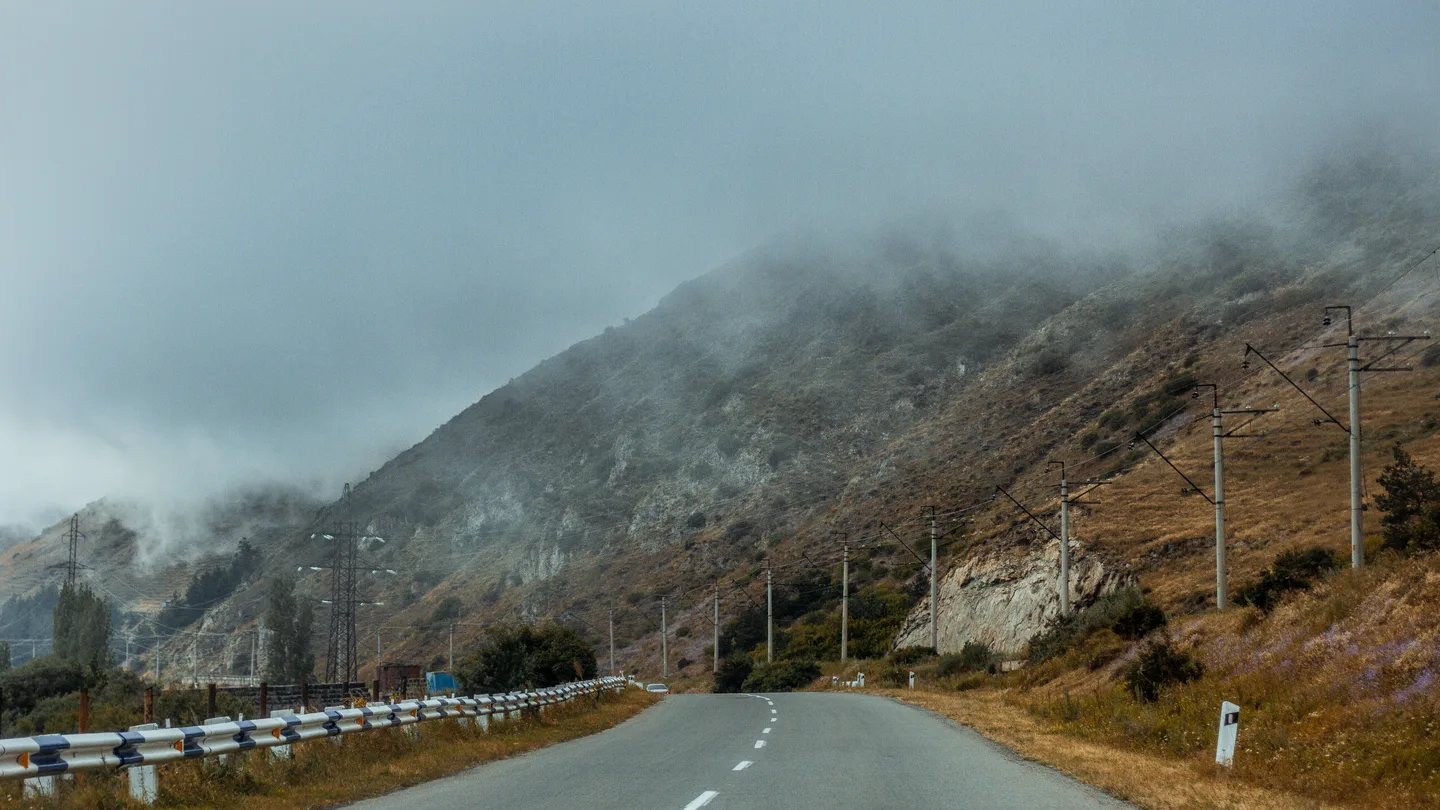
The U.S. Department of State currently lists Nepal under “Exercise Increased Caution” (Level 2). This designation reflects concerns over demonstrations, civil unrest, and potential disruptions, even though the overall security situation is described as stable following the resolution of nationwide protests earlier in the year.
Key Safety Considerations
-
Demonstrations and Political Gatherings
- While Kathmandu and other cities are generally calm, spontaneous protests, strikes (bandhs), or marches can occur, especially during political transitions or labor disputes.
- Avoid large crowds, political gatherings, and areas with visible unrest. These can escalate quickly and disrupt transportation, internet, and banking services.
- Monitor local news and your tour operator for real-time updates.
-
Crime and Petty Theft
- Petty theft, including pickpocketing and bag snatching, is more common in crowded tourist areas like Thamel (Kathmandu), Lakeside (Pokhara), and bus stations.
- Use anti-theft bags, avoid displaying valuables, and keep copies of your passport and travel documents in a secure location.
-
Road Safety
Health, Medical Preparedness, and Evacuation Planning
Nepal’s medical infrastructure is highly uneven. While Kathmandu and Pokhara have modern hospitals and clinics, remote trekking regions and rural areas have limited or no facilities.
Essential Health Precautions
-
Vaccinations and Medications
- Recommended vaccines: Hepatitis A and B, Typhoid, Tetanus, Japanese Encephalitis (for rural areas), and Rabies (for trekkers or long-term travelers).
- Carry a travel health kit with antibiotics, rehydration salts, altitude sickness medication (Diamox), and personal prescriptions in original packaging.
- Consult a travel medicine specialist 4–6 weeks before departure.
-
Altitude Sickness
- Common on treks above 2,500m. Acclimatize gradually, stay hydrated, and recognize symptoms (headache, nausea, dizziness).
- Descend immediately if symptoms worsen. Many trekking itineraries include built-in acclimatization days.
-
Water and Food Safety
Pro Tip: Share your full itinerary, medical history, and emergency contacts with your tour operator. Reputable agencies will ask for this information during booking.
Weather and Natural Hazards: Timing Your Trip Wisely
Nepal’s climate is diverse and highly seasonal. Choosing the right time to visit can make the difference between a seamless journey and a challenging ordeal.
Natural Hazards to Plan For
-
Landslides and Floods
- Most common during monsoon (June–September), especially in the hills and along the Prithvi Highway (Kathmandu–Pokhara route).
- Check road status via your operator or local transport authorities before departure.
-
Earthquakes
- Nepal lies on an active seismic zone. While major quakes are rare, tremors can occur.
- Familiarize yourself with emergency procedures and know the location of sturdy buildings.
-
Extreme Weather
- Sudden storms, blizzards, and whiteouts can occur in the Himalayas year-round.
Industry Insight: Many operators now include weather disruption clauses in contracts, allowing itinerary adjustments or refunds if flights or routes are canceled due to natural causes.
Visa, Permits, and Documentation: What You Need in 2026
Visa on Arrival (VoA)
- Eligibility: Citizens of most countries (including the U.S., UK, EU, Australia, Canada) can obtain a 15-day, 30-day, or 90-day visa on arrival at Kathmandu’s Tribhuvan International Airport.
- Requirements:
- Passport valid for at least 6 months
- Passport-sized photo
- Visa fee (paid in USD or EUR; credit cards accepted at some counters)
- Proof of onward travel may be requested
- Processing Time: ~30–45 minutes during peak hours
- Note: Visa fees increased in 2025; check the latest rates before travel.
Restricted-Area Permits (for Trekking)
- Solo trekking is no longer permitted in restricted areas (e.g., Upper Mustang, Dolpo, Manaslu, Kanchenjunga).
- Mandatory Requirements:
- Must be accompanied by a licensed guide
- Must book through a registered trekking agency
- Permits are issued only after submitting a detailed itinerary and paying fees
- Why the Change? To improve safety, reduce environmental impact, and support local communities.
Source Note: ET TravelWorld reported in 2026 that Nepal’s Department of Immigration now requires all solo trekkers in restricted areas to be accompanied by a licensed guide and registered with a recognized agency.
Kailash-Mansarovar Yatra: Special Permits and Documents
The Kailash-Mansarovar pilgrimage remains one of the most sought-after spiritual journeys, but it requires multiple permits and careful coordination.
Important: The Nepal-route Kailash Yatra (via Simikot and Hilsa) requires coordination between Nepali and Chinese authorities. Permits are typically arranged by your tour operator 3–4 months in advance.
For a full breakdown of required documents and timelines, see our guide: Kailash Mansarovar Yatra: Documents and Permits Guide
Choosing a Tour Package: Quality Over Price
With strong demand in 2026, the temptation to book the cheapest package is real—but it’s rarely the wisest choice. The best Nepal tours balance safety, transparency, and value.
What to Look for in a Package
✅ Licensed Operator
- Ensure the agency is registered with the Nepal Tourism Board and has a valid license.
- Check online reviews (TripAdvisor, Trustpilot) and ask for references.
✅ Clear Inclusions and Exclusions
- Does the price include permits, guide fees, meals, transport, and accommodation?
- Are domestic flights, porters, and emergency evacuation covered?
✅ Realistic Itinerary
- Avoid overly ambitious schedules. A 14-day Kailash Yatra with acclimatization is more realistic than a 10-day rush.
- Confirm daily driving hours, trek distances, and rest days.
✅ Safety and Support
- Does the operator provide a 24/7 emergency contact?
- Are guides trained in first aid and altitude sickness management?
- Is there a clear cancellation and refund policy?
✅ Sustainability Practices
- Does the operator support local communities, use eco-friendly practices, and respect cultural norms?
Red Flags to Avoid
❌ Unrealistically Low Prices
- If a Kailash package is significantly cheaper than the industry standard, it may cut corners on permits, guides, or safety.
❌ No Transparency on Permits
- Avoid operators who cannot provide permit numbers or confirm permit availability before booking.
❌ Vague Itineraries
- “Scenic views,” “cultural experiences,” or “adventure” without specifics may indicate a lack of planning.
❌ No Insurance Requirement
- Reputable operators will insist on travel insurance with medical evacuation coverage.
Season-by-Season Planning Guide
🌸 Spring (March–May): The Golden Window
Best For: Trekking, cultural tours, photography, festivals Peak Demand: April (spring break, Easter) Weather: Mild days (15–25°C), cool nights, clear skies Highlights:
- Rhododendron blooms in Annapurna and Langtang regions
- Losar (Tibetan New Year) festivals in March
- Ideal conditions for Everest Base Camp and Annapurna Circuit
Challenges:
- Crowded trails and higher prices
- Pollen and dust in lower valleys
🌧️ Monsoon (June–September): The Quiet Season
Best For: Cultural tours, Chitwan safaris, lower-altitude treks Weather: Heavy rain, high humidity, leeches, landslides Highlights:
- Fewer tourists, lush landscapes
- Monsoon festivals like Ropain (rice planting)
Challenges:
- Many high passes closed (e.g., Thorong La, Cho La)
- Road disruptions common
- Increased risk of landslides and flooding
Industry Trend: Some operators now offer “monsoon specials” with indoor cultural activities, cooking classes, and wellness retreats to offset weather risks.
🍂 Autumn (October–November): The Peak Season
Best For: Trekking, peak climbing, festivals Peak Demand: October (post-monsoon clarity) Weather: Cool and dry (10–20°C), excellent visibility Highlights:
- Clear Himalayan views
- Dashain and Tihar festivals (October/November)
- Best conditions for all major treks
Challenges:
- Highest prices and limited availability
- Crowded trails and teahouses
❄️ Winter (December–February): The Quietest Season
Best For: Cultural tours, lower-altitude treks, spiritual travel Weather: Cold at altitude, snow at high passes Highlights:
- Fewer tourists, peaceful atmosphere
- Winter festivals and New Year celebrations
Challenges:
- Some high passes closed (e.g., Thorong La)
- Limited trekking options
- Shorter daylight hours
Practical Checklist for Nepal Travel in 2026
Use this checklist as a final review before departure:
✅ Documentation
- Passport (valid for 6+ months)
- Visa on arrival (or e-visa if applicable)
- Travel insurance (medical evacuation included)
- Copies of passport, visa, permits, and itinerary (digital + printed)
- Vaccination records (if required)
✅ Health and Safety
- Prescription medications (original packaging)
- Basic first-aid kit (bandages, antiseptic, pain relievers)
- Altitude sickness medication (Diamox)
- Rehydration salts and water purification tablets
- Emergency contact list (operator, embassy, family)
✅ Gear and Clothing
- Layered clothing (base, insulating, waterproof)
- Sturdy hiking boots and camp shoes
- Warm sleeping bag (rated for -10°C if trekking)
- Trekking poles, headlamp, sunglasses (UV 400)
- Power bank and universal adapter (Type D and Type M plugs)
✅ Financial and Connectivity
- Local currency (Nepalese Rupees) for small purchases
- Credit/debit cards (widely accepted in cities)
- Backup cash in USD/EUR for emergencies
- Offline maps (Google Maps or Maps.me)
- Local SIM card (Ncell or NTC) for data
✅ Communication and Support
- 24/7 emergency contact from your operator
- Registered with your embassy (if recommended)
- Shared itinerary with family/friends
- Check-in schedule with your operator
Common Mistakes to Avoid in Nepal Travel Planning
Even experienced travelers can fall into traps when planning a Nepal trip. Here are the most frequent—and costly—errors:
❌ Overpacking the Itinerary
- Mistake: Trying to visit Kathmandu, Pokhara, Chitwan, and Everest Base Camp in 14 days.
- Reality: Long road transfers (6–8 hours), altitude acclimatization, and weather delays make this exhausting.
- Fix: Prioritize 1–2 regions per trip. Focus on quality over quantity.
❌ Ignoring Permit Requirements
- Mistake: Assuming you can trek solo in Upper Mustang or Dolpo without a guide.
- Reality: Restricted-area permits require a licensed guide and registered agency.
- Fix: Confirm permit rules with your operator before booking.
❌ Underestimating Altitude
- Mistake: Rushing from Kathmandu (1,400m) to Everest Base Camp (5,364m) in 7 days.
- Reality: Altitude sickness can strike anyone, regardless of fitness.
- Fix: Choose itineraries with built-in acclimatization days (e.g., Namche Bazaar rest day).
❌ Skimping on Insurance
- Mistake: Buying a basic travel policy without evacuation coverage.
- Reality: Helicopter evacuations from remote areas can cost $5,000–$10,000.
- Fix: Ensure your policy covers high-altitude trekking and medical evacuation.
❌ Not Planning for Monsoon or Winter
- Mistake: Booking a high-pass trek in July or a high-altitude trek in January without checking conditions.
- Reality: Many routes are closed or dangerous during monsoon and winter.
- Fix: Match your trip to the season and confirm route availability with your operator.
Frequently Asked Questions (FAQ)
Should I book early for 2026 travel?
Yes. With tourism demand strong and operators filling up 6–9 months in advance—especially for Kailash, Everest, and autumn treks—early booking secures better guides, preferred rooms, and departure dates. Last-minute availability is limited and often more expensive.
Can rules change after I book?
Absolutely. Visa policies, permit requirements, border regulations, and airline schedules can shift with little notice. A reputable operator will explain which elements are fixed (e.g., permits), which are variable (e.g., flight times), and what contingency plans are in place (e.g., alternative routes or refund policies).
Is the cheapest package the best choice?
Not usually. In Nepal and Kailash travel, the best value is the package that clearly explains route, permits, safety protocols, inclusions, and support. Hidden costs (e.g., extra permits, porter fees, evacuation insurance) can make a “bargain” package far more expensive in the end.
Do I need a guide for all treks?
- Restricted areas (Upper Mustang, Dolpo, Manaslu, Kanchenjunga): Yes, mandatory.
- Popular treks (Everest Base Camp, Annapurna Circuit): Recommended, especially for first-timers.
- Lower-altitude or cultural routes: Optional, but still recommended for navigation and cultural insight.
How do I verify an operator’s license?
Check the Nepal Tourism Board (NTB) website or ask for their license number. Reputable operators will provide this willingly. Avoid agencies that operate only online with no physical office or local presence.
What’s the best way to handle money in Nepal?
- Use ATMs in Kathmandu and Pokhara (Visa/Mastercard widely accepted).
- Carry small denominations for tips, taxis, and markets.
- USD/EUR can be exchanged at banks or licensed counters (avoid street exchanges).
- Credit cards are accepted in cities but not in remote areas.
Who This Guide Is For
This advice is tailored for:
- First-time Nepal visitors who want to plan with confidence
- Repeat travelers comparing new routes or operators
- Families and seniors needing accessible itineraries and support
- Private groups seeking customized experiences
- Spiritual travelers planning Kailash-Mansarovar or other pilgrimages
- Adventure seekers preparing for high-altitude treks or climbs
Whether you're drawn by the allure of the Himalayas, the spiritual energy of Kailash, or the cultural richness of the Kathmandu Valley, Nepal offers experiences that stay with you for a lifetime—when planned with care.
Ready to Plan Your Nepal Journey?
Nepal in 2026 is open, vibrant, and ready to welcome travelers—but only those who approach it with preparation, respect, and realism. The difference between a memorable trip and a stressful one often comes down to the choices made before departure.
Let us help you design an itinerary that balances adventure, culture, and safety. Whether you're considering a classic trek, a spiritual pilgrimage, or a cultural immersion, our team of experts can guide you through every step—from permits and permits to packing lists and contingency plans.
👉 Browse Nepal tour packages 👉 Plan your Kailash-Mansarovar Yatra 👉 Get expert permit and document advice 👉 Contact us for personalized route advice
Source Notes
- Nepal News: Nepal sees surge in foreign tourist arrivals, welcomes over 620,000 visitors in first half of 2026. https://english.nepalnews.com/s/travel-tourism/nepal-sees-surge-in-foreign-tourist-arrivals-welcomes-over-620000-visitors-in-first-half-of-2026/
- Rising Nepal: Nepal welcomes over 105,000 foreign tourists in February 2026. https://risingnepaldaily.com/news/76471
- U.S. Department of State: Nepal Travel Advisory. https://travel.state.gov/en/international-travel/travel-advisories/nepal.html
- ET TravelWorld: Nepal permits solo trekkers in restricted areas to boost tourism (2026 update). https://travel.economictimes.indiatimes.com/news/destination/global/nepal-permits-solo-trekkers-in-restricted-areas-to-boost-tourism/129772072
- Tibet Tour: What permits and documents are required for the Mount Kailash Manasarovar Yatra from Nepal (2026). https://www.tibettour.travel/blog/2026/06/03/what-permits-and-documents-are-required-for-the-mount-kailash-manasarovar-yatra-from-nepal/