
Nepal Visa on Arrival 2026: The Definitive Guide for Informed Travelers
Nepal’s tourism sector continues to rebound strongly in 2026, with Nepal News reporting over 620,000 foreign visitor arrivals in the first half of the year—a 14% increase over the same period in 2025. Rising Nepal further noted that February 2026 alone saw more than 105,000 international arrivals, reinforcing Nepal’s position as one of Asia’s most accessible and rewarding destinations for 2026 travel.
This comprehensive guide is designed for travelers researching Nepal tours in 2026. It covers visa on arrival procedures, passport requirements, fee structures, land entry considerations, and practical airport advice—all grounded in current travel advisories and industry trends. Whether you're planning a cultural circuit, a trek in the Himalayas, or the sacred [Kailash Mansarovar Yatra](/kailash-mansarovar), understanding entry logistics is essential to a smooth and safe journey.
Why Nepal in 2026? Current Tourism Context
Nepal’s tourism recovery in 2026 reflects a broader regional trend toward sustainable, experiential travel. The government has prioritized tourism as a key economic driver, with infrastructure upgrades at Tribhuvan International Airport (KTM) and improved connectivity to regional hubs like Delhi, Bangkok, and Dubai.
According to the U.S. State Department’s Nepal travel advisory (accessed June 2026), the country remains generally safe for tourists, though travelers are advised to monitor local news for demonstrations and avoid border areas near India and China. Demonstrations can occur without warning, particularly in Kathmandu and major tourist hubs, so maintaining situational awareness is key.
For those considering high-altitude or restricted-area travel, Nepal has recently adjusted its trekking permit policies. As reported by ET TravelWorld in early 2026, the government now allows solo trekkers in previously restricted areas—but only when accompanied by a licensed guide or through a registered trekking agency. This change aims to enhance safety while supporting local livelihoods.
Passport and Visa Basics: What You Must Bring
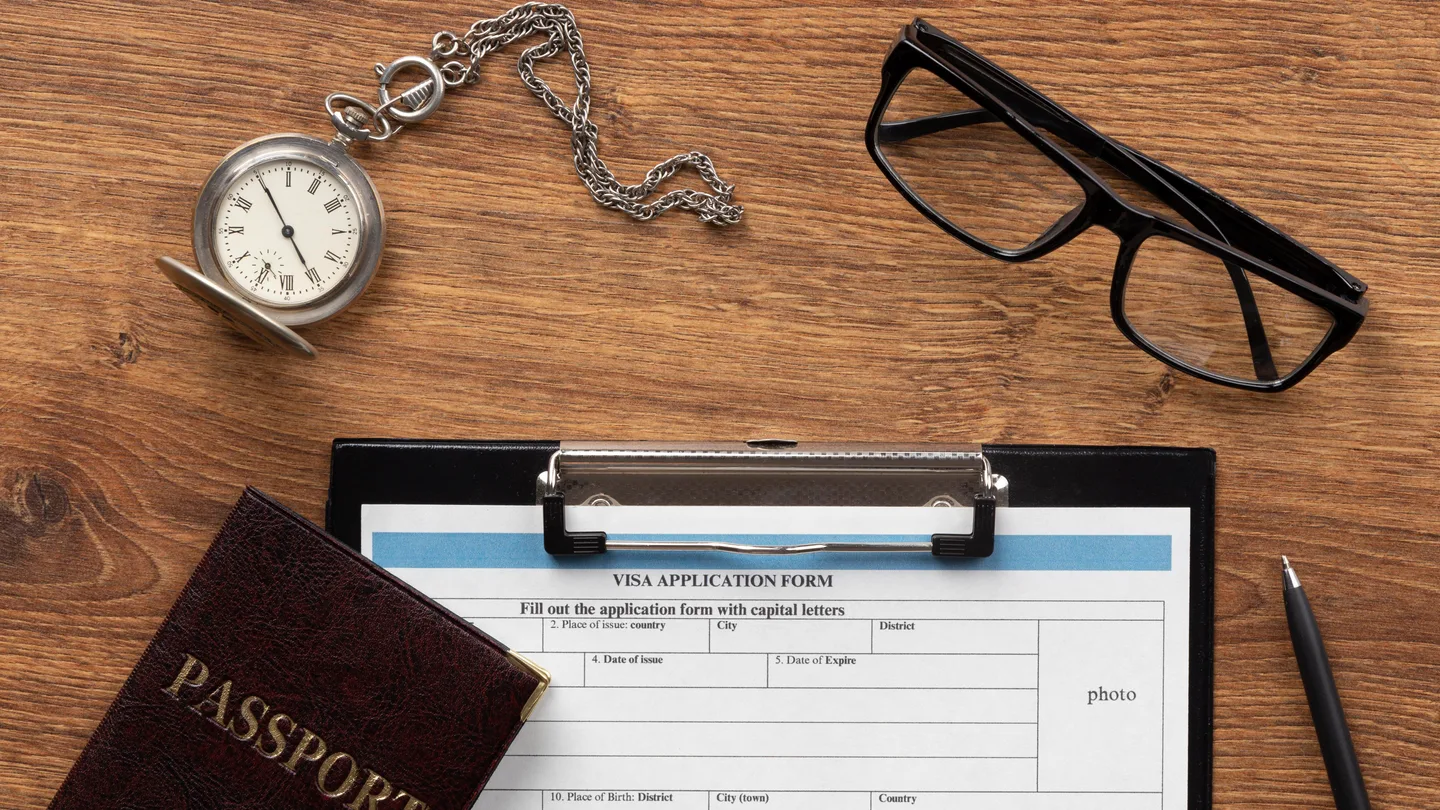
Your passport is your most critical travel document. For entry into Nepal in 2026, ensure it meets these requirements:
- Validity: At least six months beyond your intended date of departure from Nepal.
- Blank Pages: At least two full pages for entry and exit stamps.
- Condition: In good condition—damaged or worn passports may be rejected.
⚠️ Important: Nepal does not accept emergency or temporary passports for visa on arrival.
Visa on arrival is available at Tribhuvan International Airport (KTM) in Kathmandu for most nationalities. Some travelers may also apply in advance through a Nepali embassy or consulate, or via the online immigration system where available. However, the online system remains limited and is not a substitute for on-arrival processing for most travelers.
Visa Fees and Duration Options (2026)
Nepal offers multiple tourist visa durations, each with a corresponding fee. As of mid-2026, the standard fees (in USD) are:
✅ Tip: Fees are payable in USD, EUR, GBP, AUD, CAD, CNY, JPY, or INR. Credit cards are accepted at the airport, but cash (USD) is preferred to avoid delays.
Visa fees are subject to change. Always verify current rates on the Nepal Department of Immigration website or with your travel operator before departure.
🔍 Source Note: Fee structure referenced from U.S. State Department Nepal travel advisory (June 2026): travel.state.gov/en/international-travel/travel-advisories/nepal.html
Visa on Arrival: Step-by-Step Process at Kathmandu Airport
Arriving at Tribhuvan International Airport requires patience and preparation. The visa on arrival process is straightforward but can be time-consuming during peak hours.
Step 1: Prepare Your Documents
Have the following ready:
- Passport (with 6+ months validity and blank pages)
- Passport-sized photo (recent, 2x2 inches, white background)
- Completed Tourist Visa Application Form (available online or at the airport)
- Proof of onward travel (flight ticket or itinerary)
- Proof of accommodation (hotel booking or invitation letter)
- Visa fee in USD (exact change preferred)
📝 Pro Tip: Fill out the online visa form in advance at https://nepalvisa.gov.np to save time.
Step 2: Arrival and Queuing
- Follow signs to Visa on Arrival counters.
- Expect long queues during morning and evening flight banks (6–9 AM and 4–7 PM).
- Families, seniors, and groups should proceed to dedicated counters if available.
Step 3: Payment and Processing
- Pay the fee at the counter or designated payment kiosk.
- Submit documents and receive your visa stamp.
- Processing time: 15–45 minutes, depending on crowd levels.
⏳ Buffer Time: Allow at least 2–3 hours between international arrival and domestic connections or transfers.
Land Entry: Risks and Realities in 2026
While air arrival is the most common and recommended route, some travelers enter Nepal overland—typically via India. This route requires additional planning:
- India Transit Visa: If transiting through India, ensure you have the correct visa or are eligible for visa-free transit (e.g., Indian e-Visa for short stays).
- Border Delays: Land crossings (e.g., Sunauli, Kakarbhitta, Birgunj) can experience long wait times, especially during festivals or political events.
- Documentation: Ensure you receive proper entry stamps upon arrival. Failure to do so can result in fines or difficulties during departure.
⚠️ Warning: Without proper entry documentation, you may be denied boarding for outbound flights or face legal issues.
For travelers coming from Tibet (China), note that the Kathmandu–Lhasa Friendship Highway remains open, but overland travel from China to Nepal requires multiple permits and is best arranged through a licensed operator.
Practical Advice: What to Carry and Do Upon Arrival
Beyond visas and passports, prepare these essentials:
Documents to Keep Handy
- Printed hotel/guesthouse confirmations
- Return or onward flight tickets
- Travel insurance policy (with emergency evacuation coverage)
- Emergency contact list (including local embassy/consulate)
- Copies of passport, visa, and permits (digital and physical)
Airport Navigation Tips
- Use official taxi services or pre-arranged transfers to avoid scams.
- Avoid exchanging money at the airport—rates are poor. Use ATMs or withdraw in Kathmandu.
- Download offline maps (Google Maps or Maps.me) and save key addresses in Nepali script.
First 24 Hours in Kathmandu
- Acclimatize to altitude (Kathmandu is at 1,400m).
- Avoid heavy meals and alcohol immediately after arrival.
- Rest and hydrate—jet lag and altitude can combine to cause fatigue.
Seasonality and Route Planning: When to Go
Nepal’s climate and tourism infrastructure vary dramatically by season. Choose your travel window carefully based on your goals:
🌧️ Monsoon Note: While monsoon season sees fewer international tourists, it offers lush landscapes and lower prices. However, landslides can block roads, and flights to mountain airports (e.g., Lukla, Jomsom) are frequently delayed.
For trekkers, autumn (October–November) remains the safest and most rewarding window. Spring (March–April) is ideal for high-altitude treks like Everest Base Camp or Annapurna, but trails can be crowded.
Permits and Restricted Areas: What You Need to Know
Nepal’s trekking routes are categorized based on accessibility and regulation:
- Open Areas: No special permits required (e.g., Kathmandu Valley, Pokhara, Chitwan).
- Restricted Areas: Require special permits and often a licensed guide or registered agency. Examples include:
- Upper Mustang
- Manaslu Conservation Area
- Dolpo
- Kanchenjunga Region
As of 2026, solo trekking in restricted areas is permitted only when accompanied by a licensed guide or through a registered trekking agency. This policy enhances safety and supports local guides.
📜 Source Note: ET TravelWorld (2026) on restricted-area trekking policy: travel.economictimes.indiatimes.com/news/destination/global/nepal-permits-solo-trekkers-in-restricted-areas-to-boost-tourism/129772072
For the Kailash Mansarovar Yatra, permits are more complex. Travelers entering via Nepal must secure multiple permits:
- Tibet Travel Permit (TTP)
- Alien Travel Permit (ATP)
- Military Permit
- Border Permit
These are typically arranged by licensed operators in Kathmandu. The process requires advance planning and submission of documents, including passport copies, itinerary, and insurance.
🔗 Learn More: Kailash Mansarovar Yatra: Required Permits and Documents from Nepal
Package Selection: How to Choose the Right Tour
With rising demand in 2026, the quality and transparency of tour packages vary widely. Avoid choosing based solely on price.
What to Compare in a Nepal Tour Package
💡 Best Practice: Ask for references or reviews from past travelers, especially for high-altitude or remote trips.
Matching the Trip to Your Group
- Families: Choose shorter treks (e.g., Ghorepani Poon Hill) with cultural stops.
- Seniors: Opt for cultural circuits (e.g., Kathmandu–Pokhara–Chitwan) with minimal altitude gain.
- Trekkers: Prioritize acclimatization days and weather-resilient routes.
- Photographers: Include golden-hour stops and flexible timing.
Safety and Health: Staying Informed in 2026
Nepal is generally safe for tourists, but health and altitude risks require attention.
Health Precautions
- Vaccinations: Recommended: Hepatitis A & B, Typhoid, Tetanus, Rabies (for trekkers), Japanese Encephalitis (rural areas).
- Altitude Sickness: Acclimatize properly. Consider Diamox (acetazolamide) after consulting a doctor.
- Water & Food: Drink bottled or purified water. Avoid raw salads, street food, and unpasteurized dairy.
Safety Tips
- Avoid political gatherings and demonstrations.
- Use registered taxis or ride-hailing apps (e.g., Pathao).
- Keep valuables secure; petty theft occurs in tourist areas.
- Register with your embassy upon arrival (optional but recommended).
🚨 U.S. State Department Advisory: Demonstrations can turn violent without warning. Monitor local media and avoid areas of unrest: travel.state.gov/en/international-travel/travel-advisories/nepal.html
Travel Logistics: Flights, Roads, and Weather
Flights to Nepal in 2026
Major international carriers connect to Kathmandu from:
- South Asia: Delhi, Mumbai, Bangkok, Singapore, Dubai
- East Asia: Beijing, Shanghai, Tokyo
- Europe: Doha, Istanbul, Frankfurt
✈️ Tip: Book international flights early for peak seasons (Oct–Nov, Mar–Apr). Mountain airports (e.g., Lukla) have limited daily slots.
Domestic Travel
- Flights: Reliable but weather-dependent. Carriers: Buddha Air, Yeti Airlines, Shree Airlines.
- Roads: Improving but subject to landslides and delays. Major routes:
- Kathmandu–Pokhara (6–7 hours)
- Kathmandu–Chitwan (5–6 hours)
- Kathmandu–Nagarkot (1 hour)
⚠️ Road Note: Night travel is discouraged due to poor lighting and road conditions.
Weather and Packing
- Spring: Light layers, rain jacket, sun protection
- Monsoon: Waterproof gear, leech socks, quick-dry clothing
- Autumn: Warm layers, down jacket for high camps
- Winter: Heavy down jacket, thermal wear, gloves
Common Mistakes to Avoid in Nepal Travel Planning
-
Overpacking the Itinerary Trying to see Kathmandu, Pokhara, Chitwan, and Everest Base Camp in one trip is unrealistic. Long drives, altitude, and weather can make a rushed schedule exhausting.
-
Ignoring Permit Requirements Restricted areas require permits. Attempting to enter without them can result in fines or deportation.
-
Underestimating Altitude Even moderate treks (e.g., Nagarkot to Dhulikhel) involve elevation changes. Plan rest days and monitor symptoms.
-
Assuming Cheap = Best Ultra-low-cost packages often cut corners on guides, transport, or permits. Focus on value: safety, inclusions, and support.
-
Not Confirming Domestic Flights Mountain flights are frequently delayed or canceled. Build buffer days into your itinerary.
-
Skipping Travel Insurance Emergency evacuation (e.g., helicopter from Everest Base Camp) can cost $5,000+. Ensure coverage includes high-altitude trekking.
FAQ: Your Top Nepal 2026 Travel Questions
Should I book early for 2026 travel?
Yes. Peak seasons (autumn and spring) see high demand for guides, rooms, and permits. Booking 6–9 months in advance improves availability and pricing.
Can rules change after I book?
Absolutely. Visa fees, permit policies, border regulations, and airline schedules can change with little notice. A reputable operator will explain what’s fixed, what’s variable, and what contingency plans are in place.
Is the cheapest package the best choice?
Not usually. The best value is a package that clearly outlines route, permits, inclusions, safety protocols, and emergency support. Hidden fees or vague terms often outweigh initial savings.
Do I need a guide for all treks?
Not for open areas (e.g., Annapurna Base Camp, Langtang). But restricted areas (e.g., Upper Mustang, Dolpo) require a licensed guide or registered agency as of 2026.
Is Nepal safe for solo female travelers?
Nepal is generally safe, but cultural norms require modest dress and cautious behavior in rural areas. Stick to well-trodden routes and use registered guides/operators.
Can I travel to Tibet from Nepal in 2026?
Yes, but the process is complex. You’ll need a Tibet Travel Permit, arranged through a licensed operator in Kathmandu. Independent travel is not possible. The Kailash Mansarovar Yatra is a popular option.
Practical Checklist: 30 Days Before Departure
✅ Passport & Visa
- Confirm passport validity (6+ months)
- Check visa fees and prepare USD cash
- Fill out online visa form (if available)
✅ Flights & Transport
- Book international flights early
- Confirm domestic flight slots (if applicable)
- Arrange airport transfers in Kathmandu
✅ Accommodation & Itinerary
- Book hotels for first and last nights
- Confirm permits (especially for restricted areas)
- Share itinerary with family/emergency contact
✅ Health & Insurance
- Get recommended vaccinations
- Purchase travel insurance with high-altitude coverage
- Pack a basic medical kit (altitude meds, bandages, antiseptic)
✅ Documents & Copies
- Print copies of passport, visa, permits, insurance
- Save digital copies in cloud storage
- Carry emergency contact list (local embassy, operator, family)
✅ Packing
- Layered clothing for variable weather
- Sturdy trekking shoes and sandals
- Power adapter (Type D and Type M plugs)
- Portable charger and power bank
Ready to Plan Your Nepal Journey?
Nepal in 2026 offers unparalleled cultural richness, spiritual depth, and natural beauty—but only for those who plan carefully. Whether you're drawn to the spiritual circuit of Kailash Mansarovar, the cultural heritage of the Kathmandu Valley, or the breathtaking trails of the Himalayas, proper preparation ensures a transformative and safe experience.
🌿 Start your journey today:
Source Notes
- Nepal News: Nepal sees surge in foreign tourist arrivals, welcomes over 620,000 visitors in first half of 2026. https://english.nepalnews.com/s/travel-tourism/nepal-sees-surge-in-foreign-tourist-arrivals-welcomes-over-620000-visitors-in-first-half-of-2026/
- Rising Nepal: Nepal welcomes over 105,000 foreign tourists in February 2026. https://risingnepaldaily.com/news/76471
- U.S. Department of State: Nepal Travel Advisory. https://travel.state.gov/en/international-travel/travel-advisories/nepal.html
- ET TravelWorld: Nepal permits solo trekkers in restricted areas to boost tourism (2026). https://travel.economictimes.indiatimes.com/news/destination/global/nepal-permits-solo-trekkers-in-restricted-areas-to-boost-tourism/129772072
- Tibet Tour: What permits and documents are required for the Mount Kailash Manasarovar Yatra from Nepal (2026). https://www.tibettour.travel/blog/2026/06/03/what-permits-and-documents-are-required-for-the-mount-kailash-manasarovar-yatra-from-nepal/