
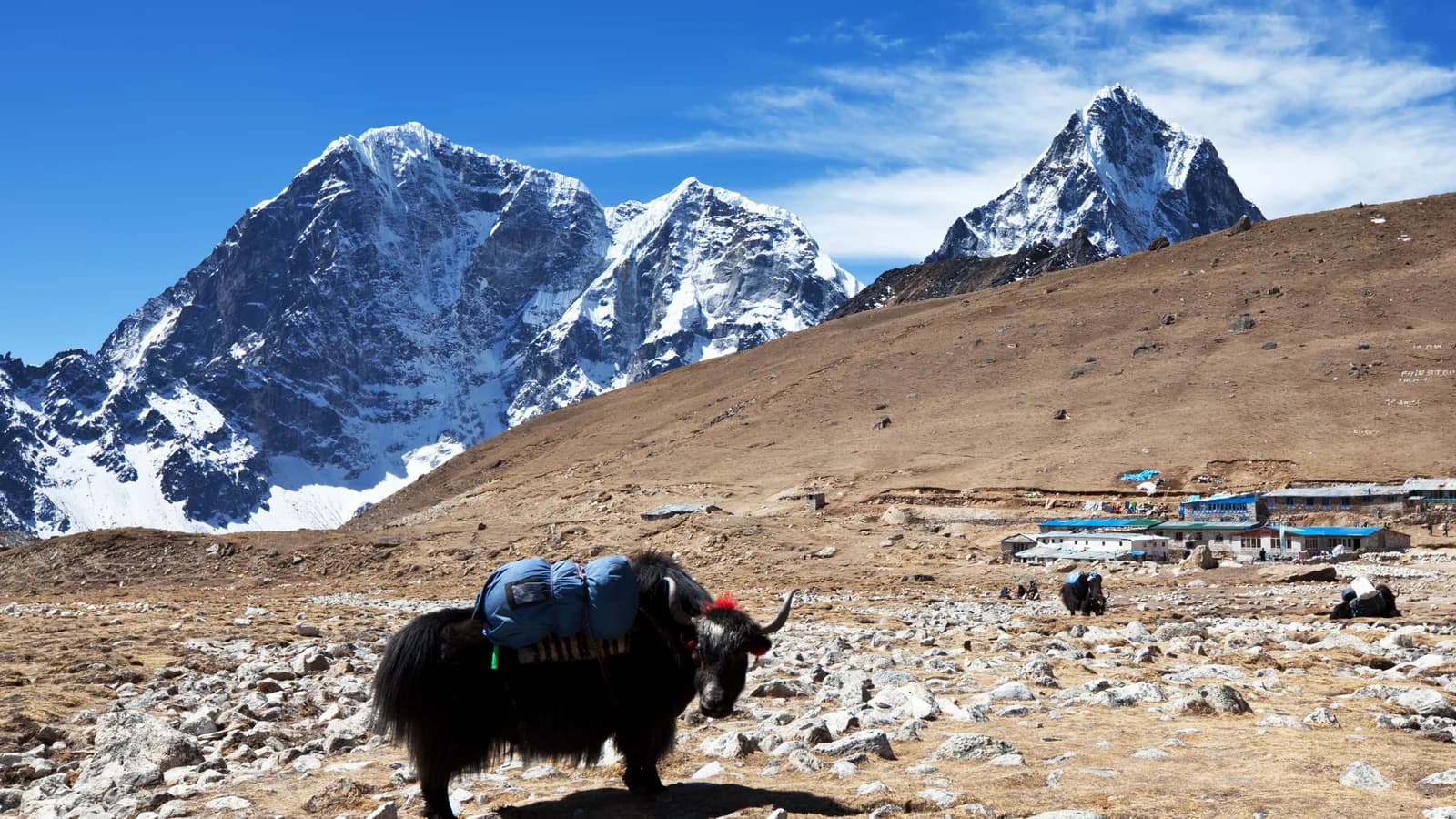
Restricted Area Trekking in Nepal 2026: Permit Changes, Seasonal Planning, and Industry Context
Nepal’s restricted-area trekking routes represent some of the most culturally rich, geographically dramatic, and logistically complex journeys in the Himalayas. In 2026, the government has signaled a deliberate shift toward controlled access expansion, particularly for solo foreign trekkers, while maintaining strict oversight through licensed guides and registered agencies. This evolution reflects broader tourism policy goals: balancing conservation, cultural preservation, and economic opportunity in high-altitude border regions such as Upper Mustang, Manaslu, Nar Phu, and Dolpo.
This in-depth guide synthesizes the latest industry reporting, regulatory context, and practical planning advice to help travelers prepare responsibly for restricted-area trekking in Nepal in 2026. It covers permit changes, seasonal timing, safety protocols, package selection, and current tourism trends—all grounded in verified sources and current travel advisories.
Understanding Restricted Areas in Nepal
Restricted areas in Nepal are designated zones that require special permits due to their proximity to international borders, fragile ecosystems, or sensitive cultural heritage. These regions are not open to casual trekking; access is regulated under the Tourist Act 2035 (1978) and subsequent amendments.
Common Restricted-Area Trekking Zones (2026)
Note: Permit requirements and fees are subject to change. Always confirm with a registered agency or official source before booking.
The 2026 Policy Shift: Solo Trekkers in Restricted Areas
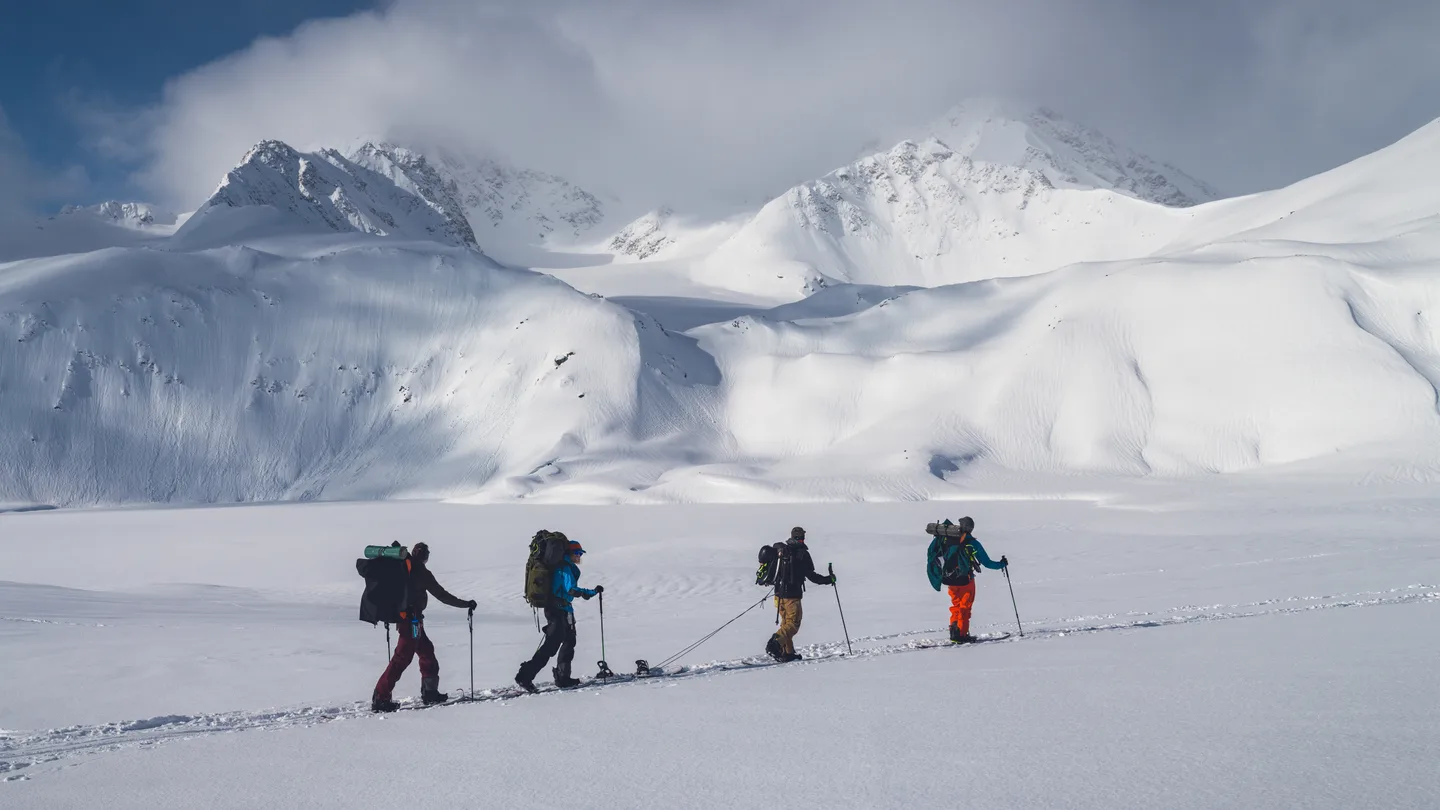
In early 2026, Nepal’s Department of Immigration and Ministry of Culture, Tourism and Civil Aviation announced a policy adjustment allowing solo foreign trekkers to enter restricted areas—provided they travel with a licensed guide and through a registered trekking agency.
What Changed?
Previously, most restricted-area permits were issued only to groups of two or more travelers. The new rule enables individual travelers to apply, but only when accompanied by a licensed Nepali guide and booked via a registered Nepal-based trekking agency.
Why This Matters
- Increased Accessibility: Solo travelers no longer need to coordinate group travel.
- Enhanced Oversight: Licensed guides ensure compliance with local regulations and safety protocols.
- Digital Integration: Many agencies now use online permit portals, reducing delays and improving transparency.
Source: ET TravelWorld, 2026: Nepal permits solo trekkers in restricted areas to boost tourism
Tourism Trends in Nepal: 2026 Context
Nepal’s tourism recovery continues to accelerate in 2026, with strong momentum into the first half of the year.
- First-half arrivals (Jan–Jun 2026): Over 620,000 international tourists entered Nepal, according to Nepal News.
- February 2026 arrivals: Exceeded 105,000, marking one of the strongest months on record, per Rising Nepal Daily.
Key Drivers
- Post-pandemic rebound: Continued recovery in long-haul markets (Europe, North America, Australia).
- Regional connectivity: Improved flight links from India, China, and Southeast Asia.
- Government incentives: Visa-on-arrival expansion, promotional campaigns, and infrastructure upgrades.
Implications for Trekkers
Higher demand means:
- Earlier booking of guides, permits, and flights.
- Limited availability during peak seasons (Oct–Nov, Mar–Apr).
- Potential price increases in high-demand routes like Everest Base Camp and Annapurna Circuit.
Visa, Entry, and Safety Considerations
Visa-on-Arrival
Nepal continues to offer visa-on-arrival for most nationalities, including U.S., UK, EU, and Indian citizens.
- Duration: 15, 30, or 90 days (extendable).
- Fees (2026): $30 (15 days), $50 (30 days), $125 (90 days).
- Requirements: Passport valid for 6+ months, passport photo, completed arrival form.
Safety and Health
- Demonstrations: Political gatherings can occur in Kathmandu and other cities. Avoid large crowds and monitor local news.
- Health: Ensure vaccinations (Hepatitis A/B, Typhoid, Tetanus) and consider altitude sickness prophylaxis (Diamox) for high passes.
- Travel Insurance: Mandatory for restricted-area trekking. Confirm coverage includes helicopter evacuation and high-altitude rescue.
Border and Tibet Entry Notes
If combining a Nepal trek with the [Kailash Mansarovar Yatra](/kailash-mansarovar), note that:
- Entry into Tibet from Nepal requires a Tibet Travel Permit (TTP), issued via a registered agency.
- Additional permits may include the Alien Travel Permit (ATP), Military Permit, and Border Permit.
- The Nepal-to-Tibet route is typically via Kathmandu → Kodari → Zhangmu → Nyalam → Saga → Lake Manasarovar.
Seasonal Planning: When to Go in 2026
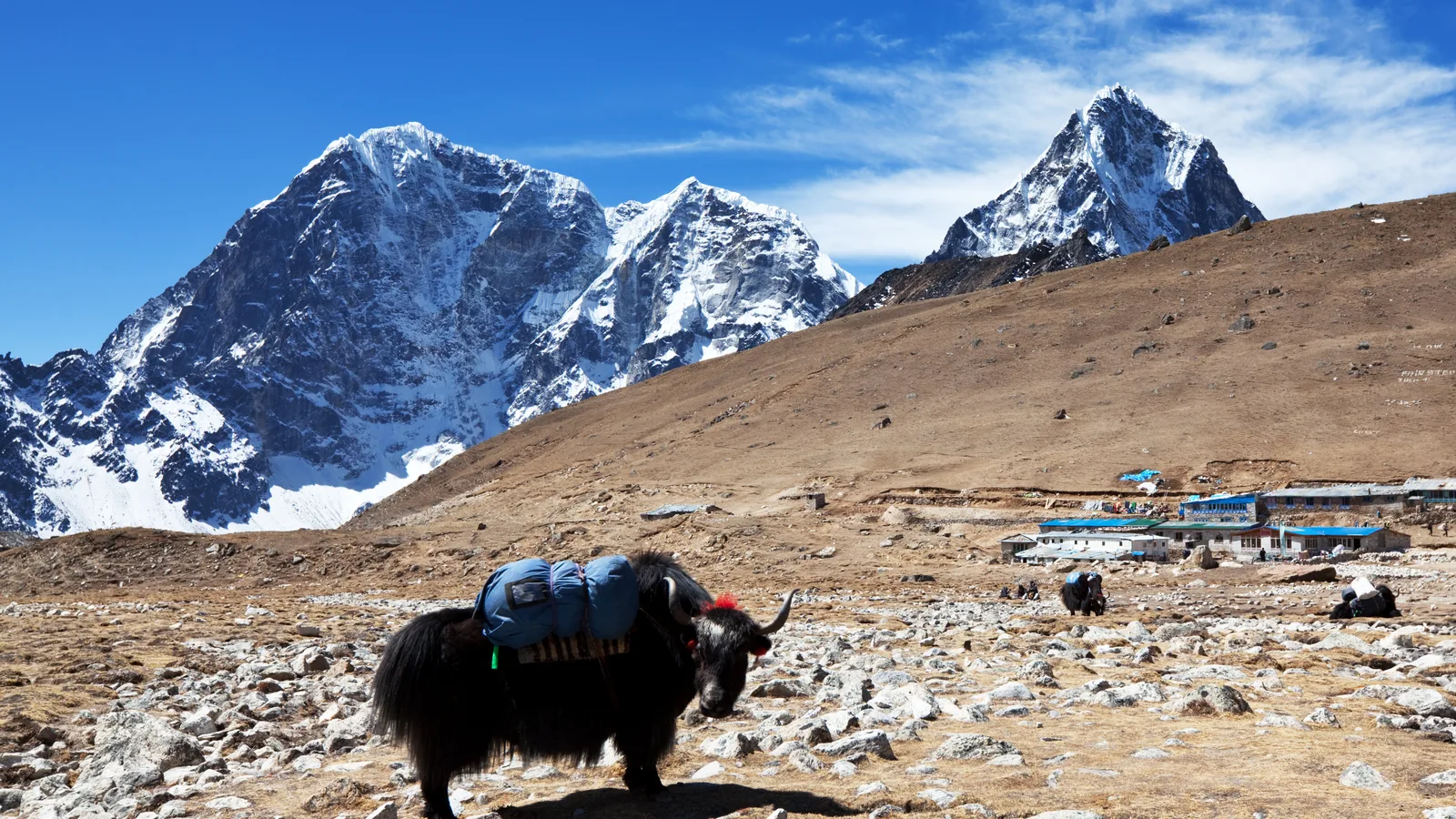
Nepal’s climate varies dramatically by season. Choosing the right window is critical for safety, comfort, and permit availability.
🌸 Spring (Mar–May)
- Weather: Mild days, cool nights. Rhododendron blooms peak in April.
- Pros: Best visibility, stable trails, ideal for photography.
- Cons: Crowds on popular routes; permits may sell out early.
- Best for: Manaslu, Annapurna, Langtang, and lower restricted areas.
☀️ Monsoon (Jun–Sep)
- Weather: Heavy rain, landslides, leeches, cloudy skies.
- Pros: Fewer tourists, lush landscapes.
- Cons: Many high passes closed; trekking permits often suspended.
- Best for: Cultural tours, Kathmandu Valley, Chitwan, or indoor activities.
🍂 Autumn (Oct–Nov)
- Weather: Clear skies, cool temperatures, low humidity.
- Pros: Peak trekking season. Best views of Himalayas.
- Cons: Highest demand; book early.
- Best for: Everest Base Camp, Kanchenjunga, Upper Mustang, Dolpo.
❄️ Winter (Dec–Feb)
- Weather: Cold, snow at high altitudes. Some passes closed.
- Pros: Solitude, lower costs, cultural festivals.
- Cons: Limited access to high routes; risk of altitude sickness.
- Best for: Lower-altitude treks like Ghorepani Poon Hill or cultural tours.
Note: Restricted-area permits may have seasonal restrictions. Confirm with your agency.
Permit Requirements: What You Need in 2026
Restricted-area permits are not issued at the border or online directly to travelers. They must be arranged through a registered Nepalese trekking agency.
Core Permits for Restricted Areas
Additional Requirements
- Licensed Guide: Mandatory for restricted areas.
- Registered Agency: Must be Nepal Tourism Board (NTB)-registered.
- Passport Copies: 2–4 copies, often required for permit applications.
- Passport Photos: 2–4 (4x6 cm), white background.
- Itinerary: Detailed day-by-day plan with emergency contacts.
- Insurance Certificate: Proof of medical and evacuation coverage.
Important: Do not attempt to enter restricted areas independently. Unauthorized entry can result in fines, deportation, or legal action.
Package Selection: What to Look For in 2026
Not all restricted-area packages are created equal. A well-structured itinerary balances safety, authenticity, and value.
✅ What a Good Package Should Include
- Permit Responsibility: Agency handles all permit applications and fees.
- Licensed Guide: Certified by Nepal Mountaineering Association (NMA) or TAAN.
- Accommodation: Pre-booked teahouses/lodges with confirmed standards.
- Transport: Airport transfers, in-country flights (e.g., Kathmandu–Pokhara), and road transfers (e.g., Pokhara–Jomsom).
- Emergency Plan: Helicopter evacuation insurance, satellite phone, or local rescue network.
- Acclimatization Days: Scheduled rest days at high-altitude stops (e.g., Namche Bazaar, Manang).
- Contingency Buffer: Extra days for weather delays or permit processing.
❌ Red Flags in Package Deals
- Unrealistically Low Prices: May indicate poor guide quality, unsafe transport, or missing permits.
- Vague Itineraries: No clear day-by-day breakdown or emergency plan.
- No Agency Registration: Avoid operators without NTB license or TAAN membership.
- Last-Minute Permit Changes: Reputable agencies confirm permits weeks in advance.
Cost Benchmarks (2026 Estimates)
Prices vary based on season, group size, and comfort level. Always request a detailed cost breakdown.
Practical Planning Checklist for 2026 Travelers
Use this checklist to prepare systematically for your restricted-area trek.
✅ 6–12 Months Before Travel
- Choose season and route based on weather, fitness, and interests.
- Research and shortlist registered agencies with strong reviews and permit experience.
- Confirm agency license (check NTB registration).
- Begin saving for flights, permits, insurance, and gear.
- Book international flights early (especially for peak seasons).
✅ 3–6 Months Before Travel
- Finalize itinerary with agency (dates, rest days, emergency plans).
- Submit passport details and photos for permit applications.
- Purchase comprehensive travel insurance covering high-altitude trekking and evacuation.
- Arrange vaccinations and medical check-ups.
- Purchase or rent trekking gear (down jacket, sleeping bag, trekking poles, etc.).
✅ 1–2 Months Before Travel
- Confirm permit approvals and receive permit copies.
- Book domestic flights (e.g., Kathmandu–Lukla, Pokhara–Jomsom) or private jeeps.
- Arrange hotel stays in Kathmandu and gateway cities.
- Notify bank of international card use; carry some USD/EUR in cash.
- Download offline maps (e.g., Maps.me), translation apps, and emergency contacts.
✅ 1 Week Before Travel
- Reconfirm all bookings (flights, hotels, transport).
- Pack: passport, permits, insurance card, cash, medications, trekking permits (digital + physical).
- Organize digital and physical copies of:
- Passport
- Visa
- Insurance policy
- Permits
- Emergency contacts
- Itinerary
- Check weather forecasts and road conditions.
✅ During Travel
- Carry permits and passport at all times.
- Follow guide’s instructions on altitude, hydration, and route.
- Monitor weather and local news for disruptions.
- Keep family/friends updated on itinerary.
Common Mistakes to Avoid in Nepal Trekking
❌ Overpacking the Itinerary
“I tried to do Everest Base Camp, Annapurna Circuit, and Chitwan in 14 days.”
Reality: Long road transfers (e.g., Kathmandu–Pokhara is 6–7 hours), weather delays, and altitude sickness make rushed itineraries exhausting and unsafe.
Fix: Focus on one region. Allow 2–3 weeks for a full restricted-area trek.
❌ Assuming Online Prices Are Final
“I booked the cheapest $1,200 ‘Upper Mustang’ package online.”
Reality: Many low-cost packages exclude permits, insurance, or quality guides. Permits alone can cost $500–$700.
Fix: Request a detailed cost breakdown. Compare inclusions, not just prices.
❌ Ignoring Altitude Acclimatization
“We skipped Namche Bazaar rest day—felt fine.”
Reality: Acute Mountain Sickness (AMS) can strike above 3,000m. Symptoms include headache, nausea, dizziness.
Fix: Follow the “climb high, sleep low” rule. Descend if symptoms worsen.
❌ Traveling Without Proper Insurance
“I thought my credit card coverage was enough.”
Reality: Most standard travel insurance excludes high-altitude trekking (>5,400m) or helicopter evacuation.
Fix: Purchase specialized trekking insurance with coverage up to $500,000 and helicopter access.
❌ Underestimating Border Logistics (for Kailash)
“We thought we could just walk into Tibet from Nepal.”
Reality: Crossing from Nepal to Tibet requires multiple permits, advance planning, and a registered agency.
Fix: Plan 3–4 weeks for Kailash permits and logistics. Start early.
FAQ: Restricted-Area Trekking in Nepal 2026
Q: Should I book early for 2026 travel?
A: Yes. With over 620,000 arrivals in the first half of 2026 and strong demand into autumn, preferred routes and guides sell out early. Booking 6–9 months in advance improves availability and pricing.
Q: Can rules change after I book?
A: Yes. Visa policies, permit fees, border regulations, and airline schedules can shift. A reputable agency should explain which elements are fixed (e.g., route, permits) and which are variable (e.g., flight times, weather-related delays). Ask for a written contingency plan.
Q: Is the cheapest package the best choice?
A: Not usually. In Nepal’s restricted areas, value comes from clarity: permits included, guide licensed, transport reliable, insurance valid, and emergency plan documented. A $1,200 package that omits permits or uses inexperienced guides is a false economy.
Q: Do I need a guide for restricted areas in 2026?
A: Yes. Even solo travelers must be accompanied by a licensed guide and booked through a registered agency. Independent entry is not permitted.
Q: Can I combine a restricted-area trek with Kailash Mansarovar?
A: Yes, but it requires careful planning. You’ll need separate permits for Nepal (e.g., Mustang or Dolpo) and Tibet (TTP, ATP, etc.). Many agencies offer dual itineraries. Start permit applications early—Kailash permits are highly competitive.
Q: What’s the best way to verify an agency’s legitimacy?
A: Check:
- Nepal Tourism Board (NTB) registration number.
- TAAN (Trekking Agencies' Association of Nepal) membership.
- Online reviews on platforms like TripAdvisor or Trustpilot.
- Direct contact with past clients (ask the agency for references).
Who This Guide Is For
This advice is tailored for:
- First-time Nepal visitors seeking structured, safe access to restricted areas.
- Repeat travelers comparing new routes or seasonal options.
- Families and seniors needing clear itineraries, pacing, and support.
- Private groups looking for customized experiences.
- Adventure photographers prioritizing route diversity and timing.
- Travelers monitoring tourism trends before committing to a package.
Ready to Plan Your 2026 Nepal Trek?
Restricted-area trekking in Nepal offers unparalleled cultural immersion and natural beauty—but only when approached with preparation and respect for local regulations.
Choose a registered agency, confirm permit readiness, prioritize safety and acclimatization, and align your itinerary with seasonal conditions.
For curated Nepal tour packages, permit guidance, and expert route advice, explore our curated collections:
- Browse Nepal tour packages →
- Kailash Mansarovar planning hub →
- Read the Kailash document and permit guide →
- Ask Zeo Tourism for route advice →
Start your journey with confidence—Nepal’s mountains are waiting.
Source Notes
- Nepal welcomed over 620,000 foreign tourists in the first half of 2026: Nepal News
- February 2026 arrivals exceeded 105,000: Rising Nepal Daily
- U.S. State Department Nepal travel advisory covers visa, safety, health, and demonstrations: U.S. State Department – Nepal
- Nepal permits solo foreign trekkers in restricted areas under licensed guide and registered agency conditions: ET TravelWorld
- Kailash Mansarovar Yatra permits from Nepal require Tibet Travel Permit, Alien Travel Permit, Military Permit, and Border Permit: Tibet Tour – Kailash Permits Guide